











Sail Through Time: Discover the Timeless Wonders of Upper Egypt Aboard Kenzy Dahabeya
Experience the magic of the Nile aboard Kenzy Dahabeya, a luxury boutique sailing cruise that offers an unforgettable journey between...
Read moreDetails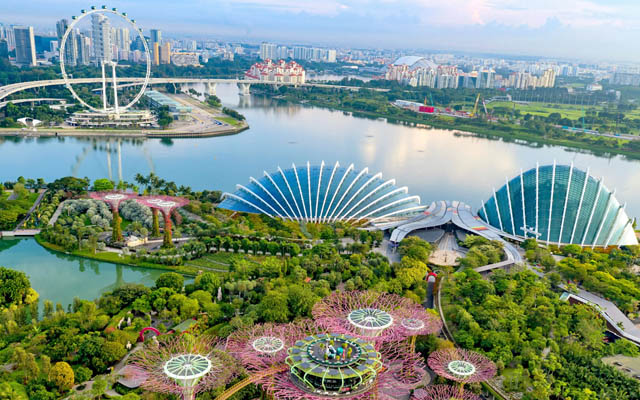
Tourism receipts reached a record level for the first nine months of 2025, supported by attractions, events and cruise growth; photo by Singapore Tourism Board
Comprehensive Summarization:
In 2025, Singapore’s tourism sector experienced steady growth, with tourism receipts reaching S$23.9 billion (US$17.7 billion) in the first three quarters, marking a 6.5% increase compared to the same period in 2024. This represents the highest level recorded for this timeframe. International visitor arrivals totaled 16.9 million, a 2.3% increase year-on-year, with the top five source markets being China (3.1 million visitors), Indonesia (2.4 million), Malaysia and Australia (1.3 million each), and India (1.2 million). The growth was primarily driven by attractions, events, and cruise activities, with Sightseeing, Entertainment & Gaming, and Food & Beverage sectors recording a 15% growth. Hotel performance remained stable. The article highlights the importance of these sectors in driving tourism growth and the stable performance of the hotel industry in Singapore.
Key Points:
Actionable Takeaways:
Focus on High-Value Source Markets: Singapore’s tourism sector benefits significantly from China, Indonesia, Malaysia, Australia, and India as source markets. Travel businesses should prioritize marketing and promotional strategies targeting these regions to sustain and further boost visitor numbers.
Leverage Attractions, Events, and Cruise Activities: The growth in tourism receipts is primarily driven by attractions, events, and cruise activities. Businesses in these sectors should continue to innovate and expand their offerings to capitalize on this trend and attract more visitors.
Stable Hotel Performance: Despite the growth in tourism receipts, hotel performance remained stable. This suggests that the accommodation sector is resilient and can support the growth of the tourism industry without significant fluctuations. Travel businesses should continue to invest in hotel infrastructure and services to meet the increasing demand.
Contextual Insights:
The growth in Singapore’s tourism sector in 2025 is a positive indicator of the country’s resilience and attractiveness as a travel destination. The increase in tourism receipts and international visitor arrivals, coupled with the strong performance of key sectors such as Sightseeing, Entertainment & Gaming, and Food & Beverage, highlights the effectiveness of Singapore’s tourism marketing strategies. The stable performance of the hotel industry further underscores the sector’s robustness. Looking ahead, travel businesses should continue to focus on these high-value source markets and sectors to sustain growth. Additionally, the stable hotel performance suggests that there is room for innovation and expansion in the accommodation sector to meet the growing demand. This context aligns with the latest travel trends, emphasizing the importance of targeted marketing and sector-specific innovations in driving tourism growth.
Read the Complete Article.
Experience the magic of the Nile aboard Kenzy Dahabeya, a luxury boutique sailing cruise that offers an unforgettable journey between...
Read moreDetails



