
























Travel Capitalist Ventures Expands Check Size to $10 Million to Deepen Emerging Market Conviction
Boutique Travel VC raises investment cap from $1.5M to $10M to lead rounds and support portfolio companies through growth Travel...
Read moreDetails
The Rise of Culinary Tourism: Why Food Is Now a Primary Travel Driver
Article Summary:
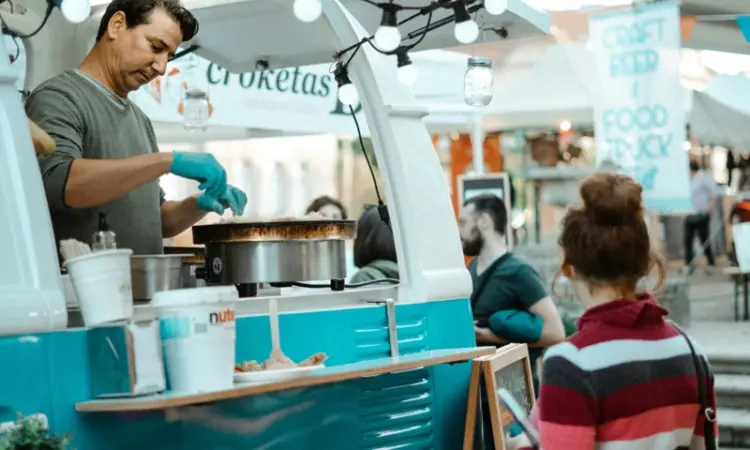
The article highlights the growing significance of culinary tourism in shaping the leisure travel landscape as we enter 2026. It emphasizes that food is no longer a side dish but a main course in travelers’ decision-making processes, influencing their destination choices, itineraries, and how they share their experiences. The article also touches on the latest travel trends and insights from thought leaders, showcasing how culinary tourism is becoming a pivotal factor in the travel industry.
Key Points:
Actionable Takeaways:
Embrace Culinary Tourism in Marketing Strategies: Travel businesses should integrate culinary experiences into their marketing campaigns to attract food enthusiasts. This involves highlighting unique food offerings in destination promotions and creating content that showcases local cuisines and dining experiences.
Leverage Technology for Enhanced Culinary Experiences: Utilize travel tech and fintech innovations to streamline the booking and payment processes for culinary experiences. This could include integrating food reservation systems, offering digital payment solutions for dining experiences, and leveraging mobile apps for personalized food recommendations.
Develop Partnerships with Local Culinary Experts: Collaborate with local chefs, food tours, and culinary influencers to offer exclusive experiences to travelers. This could involve creating guided food tours, chef-led cooking classes, or partnerships with renowned restaurants.
Contextual Insights:
The article’s focus on culinary tourism as a main course in the leisure travel landscape reflects a broader shift in travel preferences towards immersive and experiential travel. Recent events, such as the post-pandemic travel boom and a renewed emphasis on wellness and cultural exploration, have further fueled this trend. Technological advancements, including mobile apps for food discovery and fintech solutions for seamless payments, have also played a crucial role in making culinary tourism more accessible and appealing to travelers. As thought leaders predict, the integration of food into travel itineraries will continue to grow, driven by the desire for authentic, memorable experiences. This contextual understanding underscores the importance of the insights provided in the article and their potential impact on the travel industry’s future direction.
Read the Complete Article.
Boutique Travel VC raises investment cap from $1.5M to $10M to lead rounds and support portfolio companies through growth Travel...
Read moreDetails




