




No products in the cart.
- Latest
- Trending


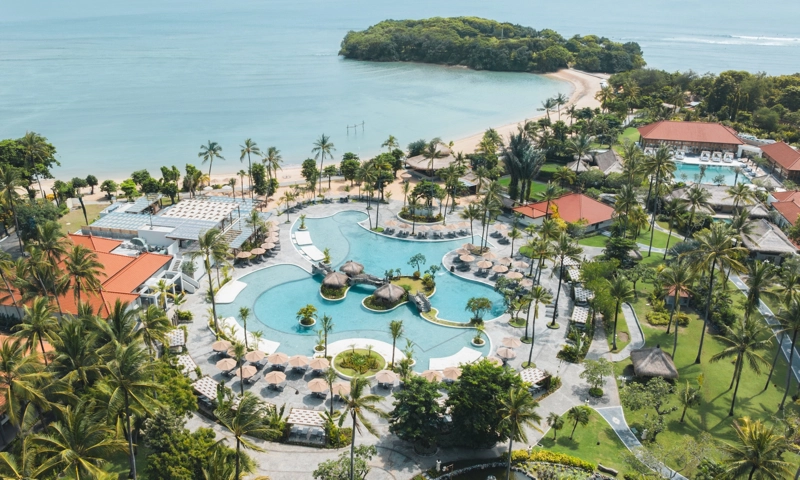
The recently opened Paradisus by Meliá Bali Resort
Comprehensive Summarization:
The article provides a detailed analysis of Bali’s hotel and real estate market in 2025, highlighting its transition from a post-pandemic recovery phase to a period of sustained, mature performance. Produced by Horwath HTL in collaboration with the Bali Hotels Association and C9 Hotelworks, the annual report offers a comprehensive overview of tourism arrivals, hotel performance, and the broader travel industry landscape. The report underscores the resilience and growth of the market, emphasizing key developments and trends that are shaping the future of travel in Bali.
Key Points:
Actionable Takeaways:
Investment Opportunities in Bali’s Hospitality Sector: The report’s emphasis on the market’s resilience suggests a favorable environment for investment in Bali’s hotel and real estate sectors. Investors may consider opportunities in expanding or developing hospitality properties to capitalize on the growing tourism demand.
Adoption of Advanced Travel Technologies: The collaboration between Horwath HTL, the Bali Hotels Association, and C9 Hotelworks indicates a trend towards leveraging advanced technologies in the travel sector. Hotels and real estate developers should explore integrating innovative technologies such as AI-driven customer service, smart room automation, and data analytics for operational efficiency and enhanced guest experiences.
Focus on Post-Pandemic Recovery Strategies: The report’s focus on the transition from recovery to mature performance highlights the importance of strategic planning and adaptation in the wake of global disruptions. Travel businesses should prioritize robust recovery strategies, including flexible booking policies, enhanced health and safety measures, and personalized guest experiences to rebuild trust and attract travelers post-pandemic.
Contextual Insights:
The article’s focus on Bali’s hotel and real estate market reflects broader trends in the global travel industry, particularly the recovery and adaptation strategies following the COVID-19 pandemic. The emphasis on tourism arrivals and hotel performance underscores the sector’s resilience and the growing importance of technology in enhancing operational efficiency and guest satisfaction. Thought leaders in the travel industry are increasingly advocating for the adoption of advanced technologies and data-driven strategies to navigate post-pandemic challenges and capitalize on emerging opportunities. This context suggests that the insights provided in the report are not only relevant to Bali’s market but also indicative of broader industry shifts towards innovation and recovery-driven growth.
Read the Complete Article.
Get curated travel AI insights — choose the newsletters that matter to you.
This spot is reserved for brands with a compelling story for the travel trade. They use this space to cut...
Read moreDetailsTravel One Technologies launches the world’s first Traveler DNA Platform, targeting the structural data gap at the core of an...
Read moreDetails