


![Panoramic View of Gimpo International Airport. [Korea Airports Corporation]](https://images.traveltrade.today/wp-content/uploads/2026/03/Jeju-Air-Announces-May-Launch-of-Jeju–Incheon-Route.jpg)




No products in the cart.
- Latest
- Trending

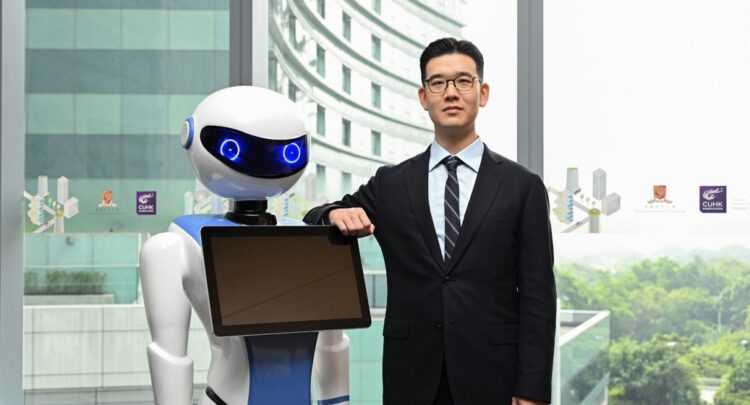
Hong Kong and Greater Bay Area Introduce New Robots for Hotels – Are You Ready for the Future of Hos...
Article Summary:
The article discusses the introduction of new robots in hotels across the Guangdong-Hong Kong-Macao Greater Bay Area (GBA) as part of a broader trend of technological innovation in the hospitality sector. This development is driven by changing market dynamics, including fluctuations in demand from business travelers, an increase in cultural and tourism consumption, and a surge in foreign visitors due to expanded visa-free policies. Hotel operators are leveraging these technological advancements to enhance efficiency and meet evolving customer needs.
Key Points:
Actionable Takeaways:
Contextual Insights:
The introduction of service robots in hotels within the GBA is a clear indication of the industry’s ongoing transformation towards greater automation and efficiency. This trend is influenced by several factors, including the fluctuating demand from business travelers, the growing importance of cultural and tourism consumption, and the influx of foreign visitors facilitated by expanded visa-free policies. These developments underscore the need for hotel operators to embrace technological advancements to meet the evolving expectations of their clientele.
The integration of robots into hotel services also highlights a broader trend in the travel industry towards leveraging technology to enhance operational efficiency and customer satisfaction. As startups and established players continue to innovate in this space, hotels that adopt these technologies stand to gain a competitive advantage. Moreover, the focus on customer experience through technological solutions reflects a growing industry trend where personalized and efficient service is paramount.
In summary, the adoption of service robots in the GBA hotel industry is a strategic response to current market dynamics, offering tangible benefits in terms of operational efficiency and customer experience. For stakeholders in the travel sector, this development underscores the importance of staying informed about technological trends and being prepared to adapt to future innovations.
Read the Complete Article.
Get curated travel AI insights — choose the newsletters that matter to you.
This spot is reserved for brands with a compelling story for the travel trade. They use this space to cut...
Read moreDetailsTravel One Technologies launches the world’s first Traveler DNA Platform, targeting the structural data gap at the core of an...
Read moreDetails