



No products in the cart.
- Latest
- Trending


Not every wealthy traveler is ready to give up five-star suites, but a growing share are redefining what “luxury” means.
Maskot / Getty Images
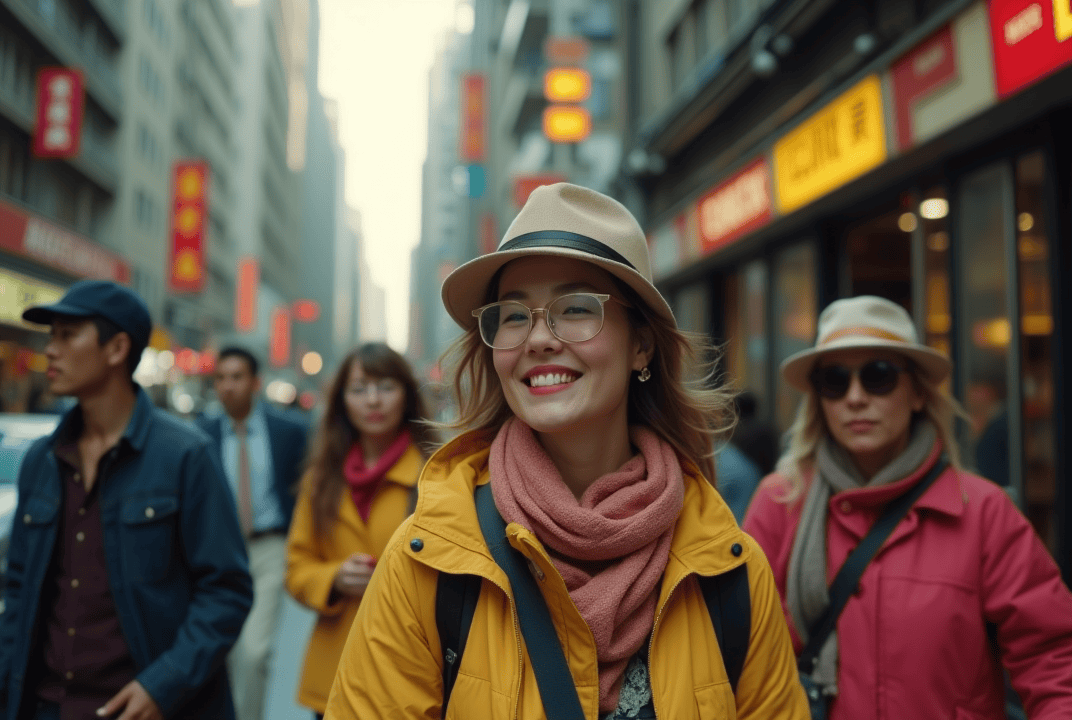
The allure of opulent hotel suites and Michelin-starred dining is no longer the sole magnet for affluent travelers. A seismic shift is underway in the luxury travel market, with a growing segment of high-net-worth individuals prioritizing genuine, immersive experiences over traditional opulence. This evolution is reshaping how travel brands approach their offerings, pushing them to embrace authenticity and connect with local cultures on a deeper level.
The Rise of the "Authenticity Seeker"
This new breed of luxury traveler isn’t shying away from spending, but their investment focus has moved. Instead of accumulating material possessions or boasting about extravagant hotel stays, they seek enrichment and personal growth. This translates to a strong desire for encounters that offer a tangible connection to the destination’s soul. Think less gilded lobbies and more time spent learning ancient crafts, participating in local festivals, or savoring meals prepared with time-honored family recipes.
The article highlights a compelling example: a significant portion of luxury travelers are willing to spend thousands of dollars for an authentic culinary experience, such as a private cooking class in a local’s home, often referred to as "Nonna’s kitchen." This preference underscores a yearning for the unfiltered, the unscripted, and the truly memorable. These are the moments that create lasting stories and a profound sense of having truly experienced a place, rather than just visited it.
What Drives This Shift?
Several factors are fueling this move towards experiential luxury. Firstly, the increasing accessibility of information through digital platforms allows travelers to research and discover niche, authentic offerings that were once the preserve of word-of-mouth. Secondly, a growing awareness of sustainability and ethical tourism encourages travelers to support local communities and businesses.
Moreover, the sheer saturation of conventional luxury experiences can lead to a sense of sameness. Travelers are actively seeking differentiation and unique narratives that set their journeys apart. The desire to return home with more than just souvenirs – but with new skills, broadened perspectives, and genuine human connections – is a powerful motivator.
Implications for the Travel Industry
For travel providers, this trend presents both a challenge and an opportunity. Traditional luxury brands must adapt by integrating authentic local experiences into their portfolios. This could involve partnering with local artisans, chefs, and cultural guides to offer curated excursions that go beyond the usual tourist trails.
The focus needs to shift from simply providing a luxurious environment to facilitating meaningful interactions. Personalized itineraries that cater to individual interests in local culture, history, and cuisine are becoming paramount. Ultimately, the future of luxury travel lies in delivering unforgettable, authentic moments that resonate deeply with the discerning traveler.
Key Points
Read the Complete Article.
Get curated travel AI insights — choose the newsletters that matter to you.
This spot is reserved for brands with a compelling story for the travel trade. They use this space to cut...
Read moreDetailsTravel One Technologies launches the world’s first Traveler DNA Platform, targeting the structural data gap at the core of an...
Read moreDetails