










No products in the cart.
- Latest
- Trending

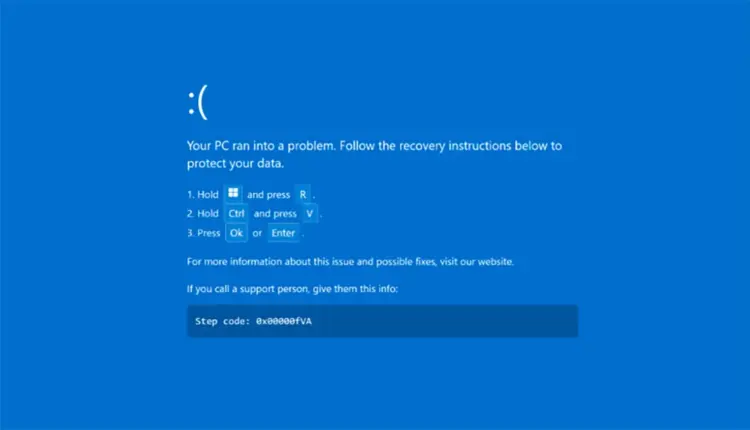
Fake Booking.com emails and BSODs used to infect hospitality staff
Article Summary:
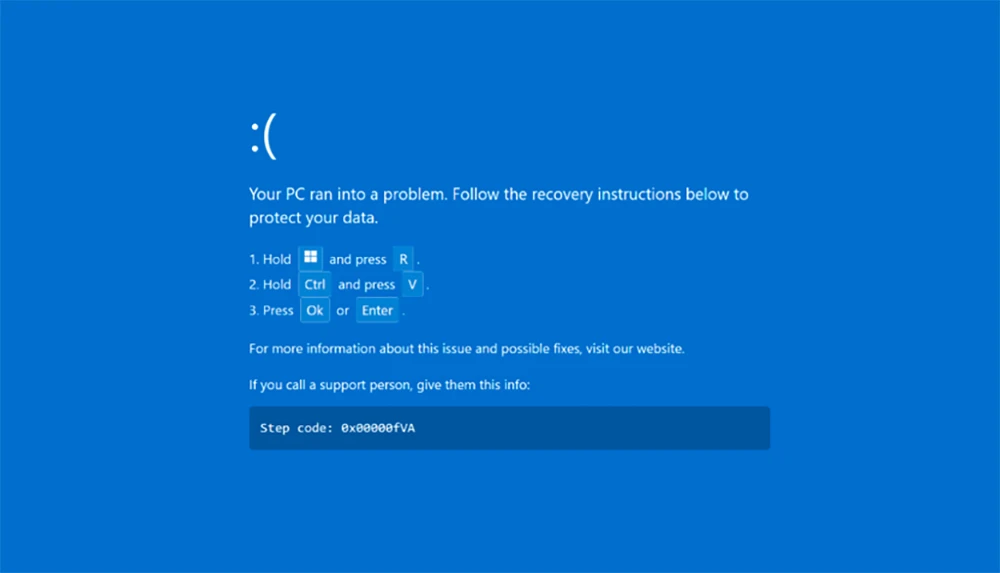
The article discusses a malware delivery campaign targeting the hospitality sector, specifically focusing on the travel industry. Suspected Russian attackers are using fake Booking.com emails and a fake “Blue Screen of Death” to deliver the DCRat malware. The campaign begins with phishing emails that include room charge details in euros, indicating that European organizations are likely targets. Securonix researchers note that the attackers are adaptable and capable of targeting other industries beyond hospitality. The emails impersonate Booking.com, directing victims to a clone of the legitimate site where they are prompted to click a button to refresh the page, leading to the malware infection.
Key Points:
Actionable Takeaways:
Enhanced Email Verification Protocols: Implement stricter email verification processes to detect and block phishing attempts impersonating Booking.com or other travel platforms. This can help protect European organizations and other targeted industries from falling victim to similar attacks.
Employee Training on Phishing Awareness: Conduct regular training sessions for employees to recognize phishing emails, especially those containing urgent requests or technical alerts like the “Blue Screen of Death.” Educating staff on identifying suspicious emails can mitigate the risk of malware infections.
Adoption of Advanced Malware Detection Tools: Invest in advanced malware detection and prevention tools that can identify and block the DCRat malware and similar threats. Real-time monitoring and automated response systems can quickly contain and neutralize threats before they cause significant damage.
Contextual Insights:
The article reflects the ongoing threat landscape in the travel industry, where cybercriminals are increasingly targeting digital platforms to deliver malware. The use of fake Booking.com emails is a strategic move to exploit the trust associated with legitimate travel booking sites, a common tactic in phishing campaigns. This highlights the importance of verifying the authenticity of digital communications, especially in sectors where financial transactions and sensitive data are frequently exchanged. The adaptability of the attackers suggests a need for continuous vigilance and innovation in cybersecurity measures. As the travel industry embraces digital transformation, integrating advanced security protocols and employee education becomes paramount to safeguarding operations and maintaining customer trust. The emergence of such malware campaigns underscores the necessity for travel companies to stay ahead of cyber threats, leveraging technology and best practices to fortify their defenses against evolving cyber threats.
Read the Complete Article.
Get curated travel AI insights — choose the newsletters that matter to you.
This spot is reserved for brands with a compelling story for the travel trade. They use this space to cut...
Read moreDetailsTravel One Technologies launches the world’s first Traveler DNA Platform, targeting the structural data gap at the core of an...
Read moreDetails