











Sail Through Time: Discover the Timeless Wonders of Upper Egypt Aboard Kenzy Dahabeya
Experience the magic of the Nile aboard Kenzy Dahabeya, a luxury boutique sailing cruise that offers an unforgettable journey between...
Read moreDetails
Saudi to launch Hajj OTA in SA
Comprehensive Summarization:
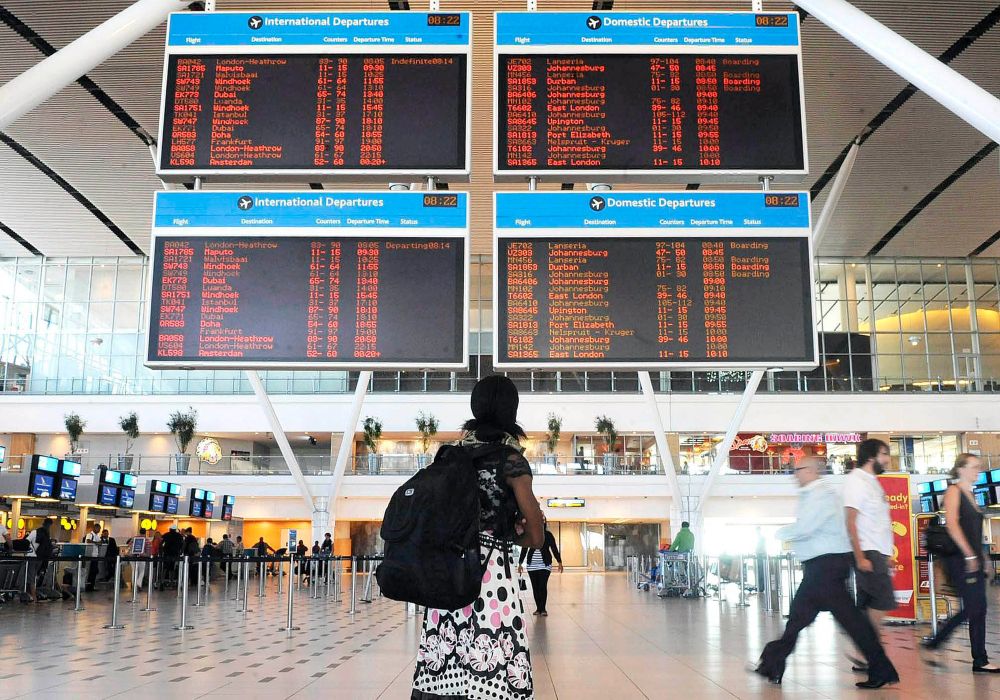
The Royal Embassy of Saudi Arabia has announced that South African pilgrims will be able to book their 2026 Hajj pilgrimages through a Hajj Online Travel Agency (OTA) called Nusuk Hajj, starting in 2026. This transition is part of Saudi Arabia’s strategy to move away from local Hajj travel operators. The move will replace Nusuk Masaar, a booking tool for accredited Hajj and Umrah agents. This development effectively sidelines the South African Hajj and Umrah Council (SAHUC), which had been the country’s sole domestic operator and regulator for Hajj arrangements. The transition has sparked criticism from local operators and calls for greater financial transparency within SAHUC. The article also touches on the broader travel industry trends and insights from thought leaders, highlighting the ongoing evolution of travel tech, particularly in the context of Hajj pilgrimages.
Key Points:
Actionable Takeaways:
Adoption of Direct Hajj Booking Platforms: Travel agencies and operators should consider developing or adopting direct Hajj booking platforms to stay competitive and meet the evolving needs of pilgrims. This move reflects a broader trend in the travel industry towards digitalization and direct-to-consumer services.
Emphasis on Financial Transparency: The backlash from local operators highlights the importance of financial transparency in the travel industry. Companies should prioritize transparency to build trust with stakeholders and avoid regulatory scrutiny. This takeaway is particularly relevant for startups and established players alike, as it underscores the need for ethical business practices.
Leveraging Technology for Regulatory Compliance: The transition from SAHUC to Nusuk Hajj suggests that technology can play a crucial role in regulatory compliance. Travel companies should invest in technology solutions that facilitate compliance and streamline operations, ensuring they remain competitive in a rapidly evolving market.
Contextual Insights:
The article reflects the ongoing transformation in the travel industry, particularly in the context of Hajj pilgrimages. Saudi Arabia’s move away from local Hajj travel operators signifies a broader trend towards digitalization and direct-to-consumer services in the travel sector. This shift is driven by the need for greater efficiency, transparency, and control over the pilgrimage booking process. The emphasis on financial transparency is a critical aspect of this transformation, as it addresses concerns from local operators and builds trust with pilgrims. Looking forward, travel companies should continue to innovate and leverage technology to meet the demands of a digitally-savvy audience. The integration of advanced booking platforms, such as Nusuk Hajj, is likely to become a standard practice in the industry, shaping the future of Hajj and Umrah travel.
Read the Complete Article.
Experience the magic of the Nile aboard Kenzy Dahabeya, a luxury boutique sailing cruise that offers an unforgettable journey between...
Read moreDetails



