










No products in the cart.
- Latest
- Trending


Global Hospitality Trends with a Local Twist: A Sustainable Future for Tourism in Africa, Here’s All...
Article Summary:
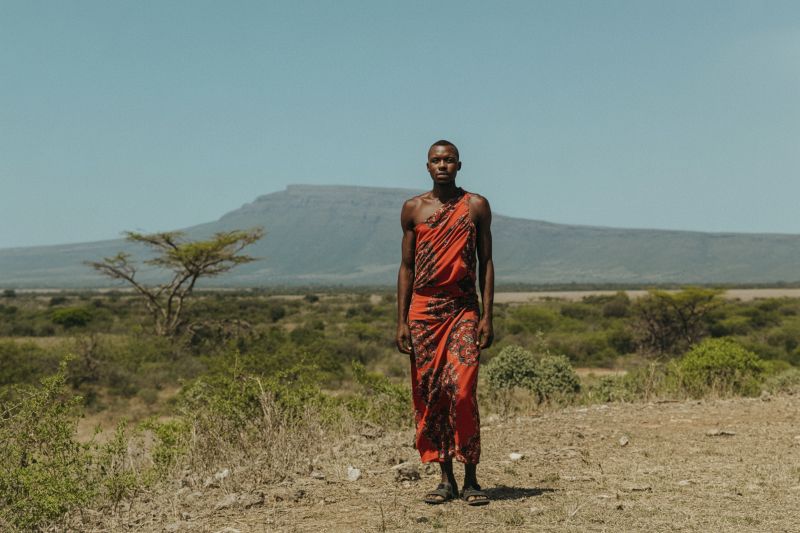
The article discusses the evolving nature of the global hospitality industry, emphasizing the importance of a “global thinking and local acting” approach. It highlights that while global tourism is expected to grow by 5% in the first half of 2025, emerging markets like Tanzania are experiencing even higher growth rates (48% increase in tourists). The article underscores the necessity for hospitality operators to harmonize global strategies with local culture, economy, and environmental systems to succeed in this competitive landscape. It also mentions the rapid growth of non-traditional tourism destinations such as Qatar, Albania, and El Salvador, which have seen growth rates of 80% or more over the past six years.
Key Points:
Actionable Takeaways:
Adopt a Hybrid Strategy: Hospitality operators should develop strategies that blend global best practices with local cultural and environmental insights. This approach will enhance competitiveness and sustainability in the rapidly growing tourism market, especially in emerging markets like Tanzania.
Invest in Local Partnerships: To succeed in emerging tourism markets, operators should prioritize partnerships with local communities and businesses. This not only ensures a deeper understanding of local dynamics but also fosters community engagement and support, which is crucial for long-term success.
Focus on Sustainable Practices: Given the emphasis on harmonizing global strategies with local systems, operators should prioritize sustainable tourism practices. This includes minimizing environmental impact, supporting local economies, and respecting cultural heritage, which are essential for maintaining the integrity and appeal of tourism destinations.
Contextual Insights:
The article reflects the current trend of rapid growth in emerging tourism markets, driven by both global expansion and local demand. The focus on “global thinking and local acting” is particularly relevant in today’s interconnected world, where travel trends are increasingly influenced by both international standards and local nuances. The growth of non-traditional tourism destinations underscores the potential for diversification in the tourism sector, offering new opportunities for operators willing to adapt their strategies. Furthermore, the emphasis on sustainable practices aligns with broader industry movements towards eco-friendly and socially responsible tourism, which is increasingly valued by travelers. These insights suggest a forward-looking perspective on the travel industry, highlighting the importance of adaptability, sustainability, and local engagement in achieving success in the evolving global tourism landscape.
Read the Complete Article.
Get curated travel AI insights — choose the newsletters that matter to you.
This spot is reserved for brands with a compelling story for the travel trade. They use this space to cut...
Read moreDetailsALTOUR Expands into Thailand, Strengthening Corporate Travel Network Across Southeast Asia BANGKOK, THAILAND (25 March, 2026) – ALTOUR, a leading...
Read moreDetails