








No products in the cart.
- Latest
- Trending

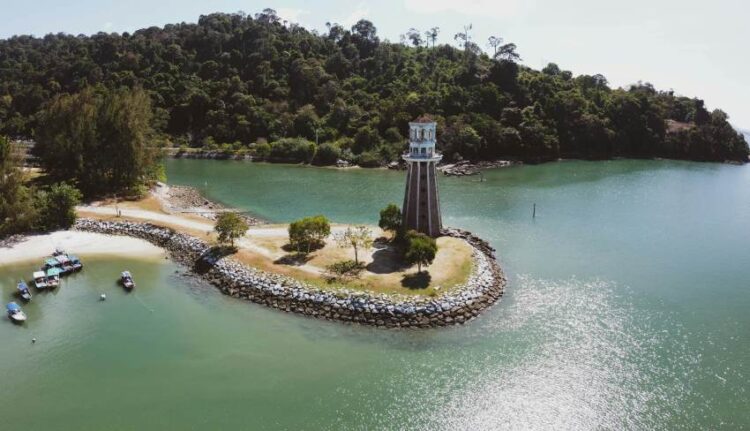
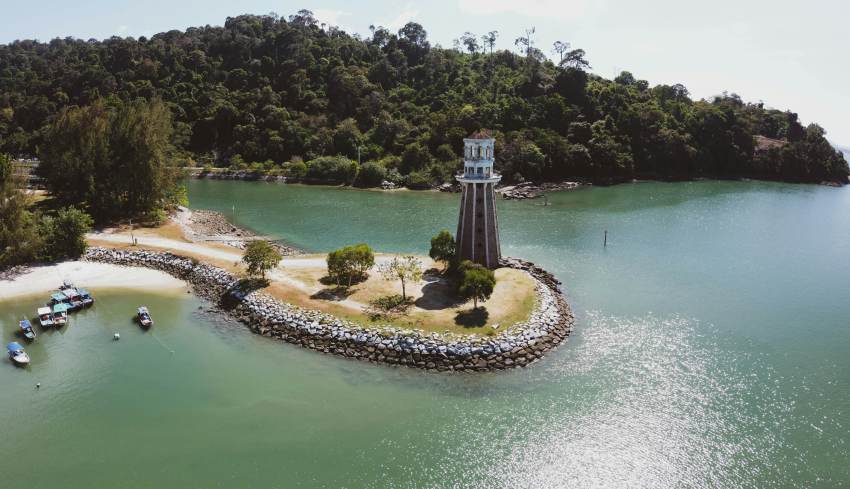
Langkawi Turns to Sustainable Tourism: A Green Future Awaits in Malaysia’s Geo-Park Haven
Article Summary:
Langkawi, a Malaysian island and one of the few UNESCO Global Geoparks, is transitioning towards sustainable tourism in response to the growing demand for environmentally friendly travel options. The Langkawi Development Authority (LADA) is at the forefront of this shift, emphasizing eco-friendly practices and community involvement to establish Langkawi as a sustainable tourism destination. With UNESCO designation, the island is committed to balancing environmental preservation with tourism growth, leveraging its natural beauty and UNESCO status to promote sustainable travel.
Key Points:
Actionable Takeaways:
Contextual Insights:
The shift towards sustainable tourism in Langkawi reflects a broader trend in the travel industry towards eco-conscious practices. As travelers become more environmentally aware, destinations are increasingly adopting sustainable practices to attract this segment of the market. The integration of UNESCO status with sustainable tourism initiatives underscores the growing importance of global recognition in promoting responsible travel. This trend is likely to influence travel startups and fintech innovations, as companies develop solutions that support sustainable tourism, such as eco-friendly booking platforms, carbon offset programs, and sustainable travel financing options. By aligning with these trends, the travel industry can not only meet the demands of eco-conscious travelers but also contribute to global environmental conservation efforts.
Read the Complete Article.
Get curated travel AI insights — choose the newsletters that matter to you.
This spot is reserved for brands with a compelling story for the travel trade. They use this space to cut...
Read moreDetailsALTOUR Expands into Thailand, Strengthening Corporate Travel Network Across Southeast Asia BANGKOK, THAILAND (25 March, 2026) – ALTOUR, a leading...
Read moreDetails


Comprehensive Summarization: The article highlights a significant issue in Meghalaya's tourism sector due to a shortage of commercial LPG, which...
Read moreDetails