








No products in the cart.
- Latest
- Trending

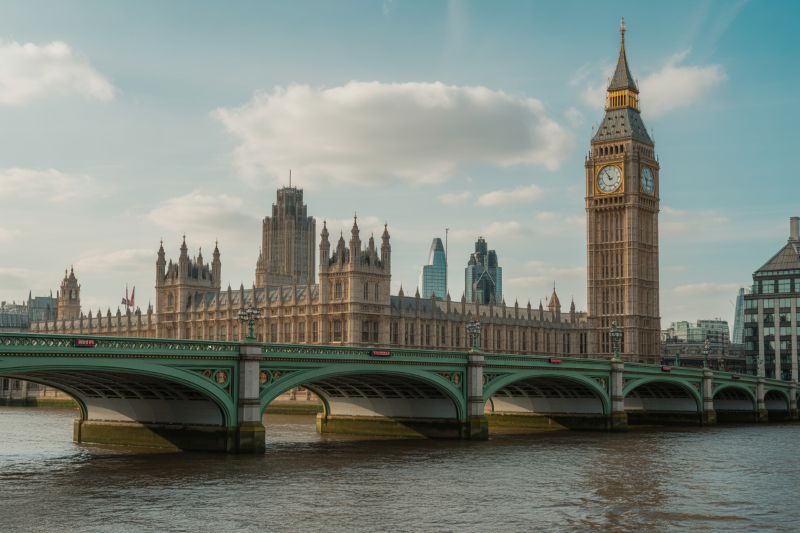
London’s New Tourist Levy Aims to Support Sustainable Tourism and Local Growth, Get the Details Here
Article Summary:
London is set to implement a nightly tourist tax, expected to be enacted by the British government in the coming months. This levy aims to augment the city’s tourism economy and infrastructure, with Mayor Sadiq Khan hoping to generate additional funding for environmental improvements and tourism-related enhancements. The tax will require tourists to pay an extra £11.50 ($23.30) per night for hotel stays, with lower rates for short-term accommodations like Airbnb. The initiative is projected to raise up to £240 million ($506 million), enhancing London’s tourism infrastructure and services.
Key Points:
Actionable Takeaways:
Contextual Insights:
The implementation of a nightly tourist tax in London reflects a broader trend among global cities to diversify revenue streams and invest in tourism infrastructure. Cities like Singapore and Amsterdam have successfully implemented similar measures, using the funds to improve visitor experiences and support local economies. This move by London aligns with current industry trends towards sustainable and visitor-centric tourism development. Furthermore, the tax underscores the importance of leveraging technology and data analytics to optimize revenue collection and target specific tourism segments, a strategy increasingly adopted by forward-thinking cities. As the travel industry continues to evolve, such innovative financing mechanisms will likely play a crucial role in sustaining and enhancing global travel destinations.
Read the Complete Article.
Get curated travel AI insights — choose the newsletters that matter to you.
This spot is reserved for brands with a compelling story for the travel trade. They use this space to cut...
Read moreDetailsALTOUR Expands into Thailand, Strengthening Corporate Travel Network Across Southeast Asia BANGKOK, THAILAND (25 March, 2026) – ALTOUR, a leading...
Read moreDetails