








No products in the cart.
- Latest
- Trending

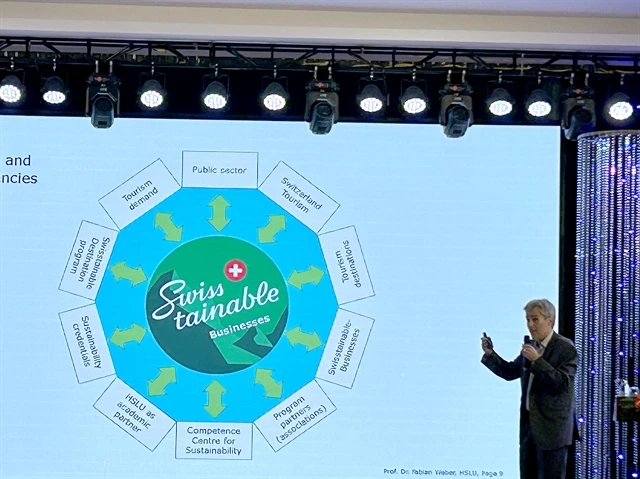
Sustainable tourism discussed in international conference of Greater Mekong Subregion
Article Summary:
The article highlights Ninh Binh Province in Vietnam as a prime example of sustainable tourism in practice. Known as the "Ha Long Bay on land," Ninh Binh features limestone mountains, rivers, rice fields, and historic temples, showcasing Vietnam’s natural and cultural wealth. The article discusses how community-based tourism, eco-friendly transport, and immersive cultural experiences contribute to visitor growth while promoting environmental conservation and local benefit. A joint assessment by the Santagata Foundation, Leibniz Institute, Ha Noi National University, and Arts estimated the total economic value of the Trang An World Heritage Site at US$213 billion, covering ten core value groups such as entertainment, biodiversity, archaeology, and temple culture. This underscores the potential of sustainable tourism to generate significant economic value while preserving cultural and natural heritage.
Key Points:
Actionable Takeaways:
Invest in Sustainable Tourism Infrastructure: Develop eco-friendly transport systems and community-based tourism programs to enhance visitor experiences while minimizing environmental impact. This aligns with current trends towards sustainable travel and can drive economic growth in tourism-dependent regions.
Leverage Cultural and Natural Heritage for Economic Growth: Recognize the economic potential of heritage sites like Trang An by promoting them as key attractions. This can attract more tourists, generate revenue, and support local communities through job creation and cultural preservation.
Contextual Insights:
The article reflects current industry trends towards sustainable tourism, where environmental conservation and cultural preservation are prioritized alongside economic benefits. The emphasis on community-based tourism and eco-friendly transport aligns with the growing demand for responsible travel experiences among consumers. As the travel industry continues to evolve, integrating sustainable practices not only enhances the visitor experience but also ensures the long-term viability of tourism destinations. The economic valuation of heritage sites like Trang An underscores the importance of recognizing and leveraging cultural and natural assets for economic development. This forward-looking perspective encourages stakeholders to adopt innovative approaches that balance tourism growth with environmental stewardship, ultimately contributing to the resilience and sustainability of the travel sector.
Read the Complete Article.
Get curated travel AI insights — choose the newsletters that matter to you.
This spot is reserved for brands with a compelling story for the travel trade. They use this space to cut...
Read moreDetailsALTOUR Expands into Thailand, Strengthening Corporate Travel Network Across Southeast Asia BANGKOK, THAILAND (25 March, 2026) – ALTOUR, a leading...
Read moreDetails


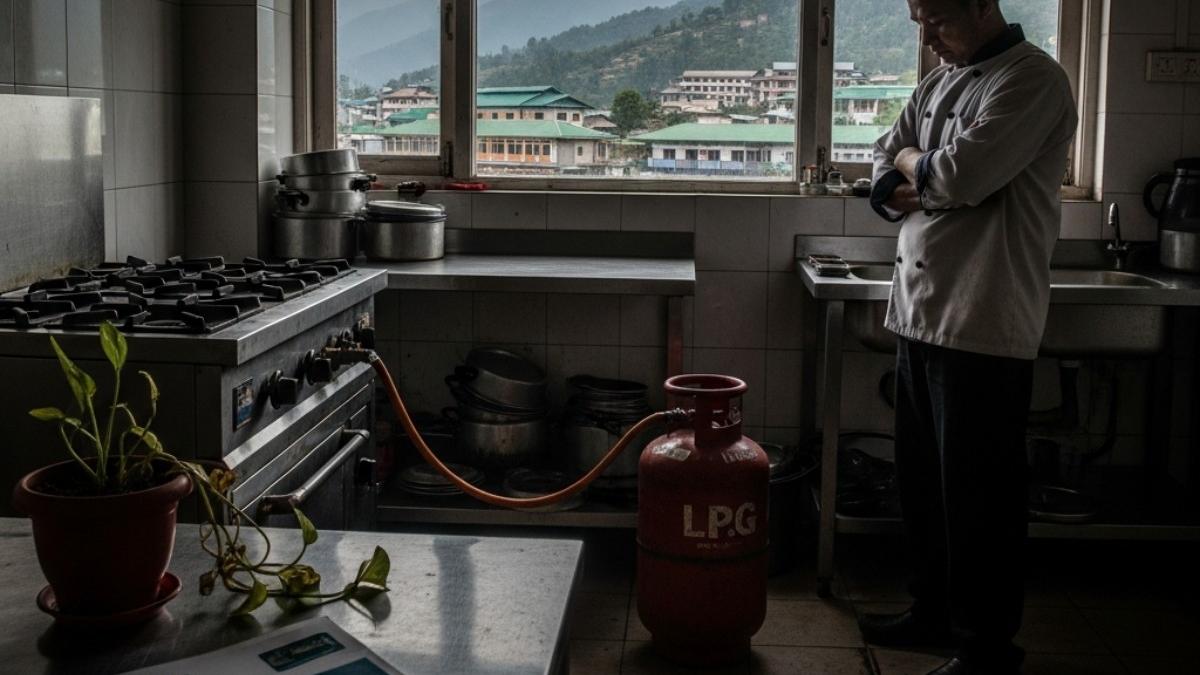
Comprehensive Summarization: The article highlights a significant issue in Meghalaya's tourism sector due to a shortage of commercial LPG, which...
Read moreDetails