







No products in the cart.
- Latest
- Trending

Sustainable Tourism in the Dolomites: Balancing Growth and Environmental Preservation
Article Summary:
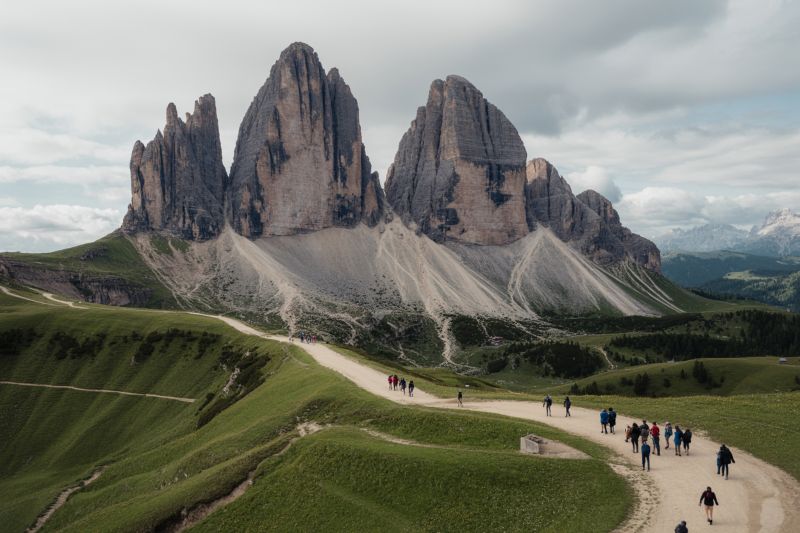
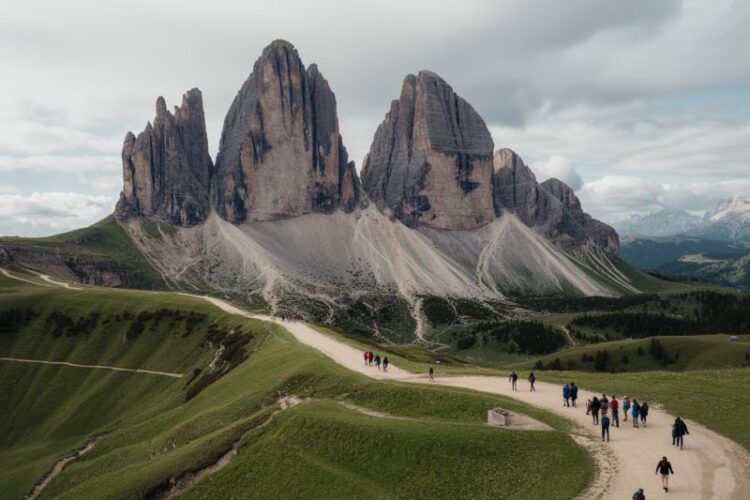
The article discusses the growing trend of farmers in the northern Italian Alps, specifically in the Dolomite Mountain region, implementing access fees and turnstiles at popular tourist spots like Monte Seceda and Drei Zinnen. This move is in response to the influx of selfie-seeking tourists and social media influencers who are encroaching on local farms. Farmers are balancing the need for economic sustainability with the preservation of the environment and local livelihoods. The Dolomites, a UNESCO World Heritage site, continues to attract a large number of visitors, but the rise of mass tourism is putting pressure on the region’s resources and local communities.
Key Points:
Actionable Takeaways:
Contextual Insights:
The trend of farmers implementing access fees and turnstiles in the Dolomites reflects a broader challenge faced by many popular tourist destinations worldwide: balancing economic benefits with environmental sustainability and local community welfare. The rise of social media influencers and selfie-seeking tourists has led to increased pressure on natural resources and local infrastructure. This situation highlights the need for innovative solutions that can manage tourist numbers while ensuring the long-term viability of the region’s tourism industry.
In the context of current industry trends, the use of technology in tourism management, such as digital access control systems, can play a crucial role in addressing these challenges. Implementing such strategies not only helps in regulating tourist access but also aligns with the growing demand for sustainable and responsible tourism practices. Furthermore, engaging with tourism stakeholders can foster a collaborative approach to managing tourism impacts, ensuring that the benefits of tourism are shared among all stakeholders, including local communities and the environment.
Overall, the article underscores the importance of adopting a balanced approach to tourism development, one that prioritizes sustainability, community welfare, and economic viability. By implementing the actionable takeaways based on the article’s insights, the Dolomite region can navigate the complexities of mass tourism and ensure a prosperous future for both its tourism industry and local communities.
Read the Complete Article.
Get curated travel AI insights — choose the newsletters that matter to you.
This spot is reserved for brands with a compelling story for the travel trade. They use this space to cut...
Read moreDetailsALTOUR Expands into Thailand, Strengthening Corporate Travel Network Across Southeast Asia BANGKOK, THAILAND (25 March, 2026) – ALTOUR, a leading...
Read moreDetails


Comprehensive Summarization: The article highlights a significant issue in Meghalaya's tourism sector due to a shortage of commercial LPG, which...
Read moreDetails