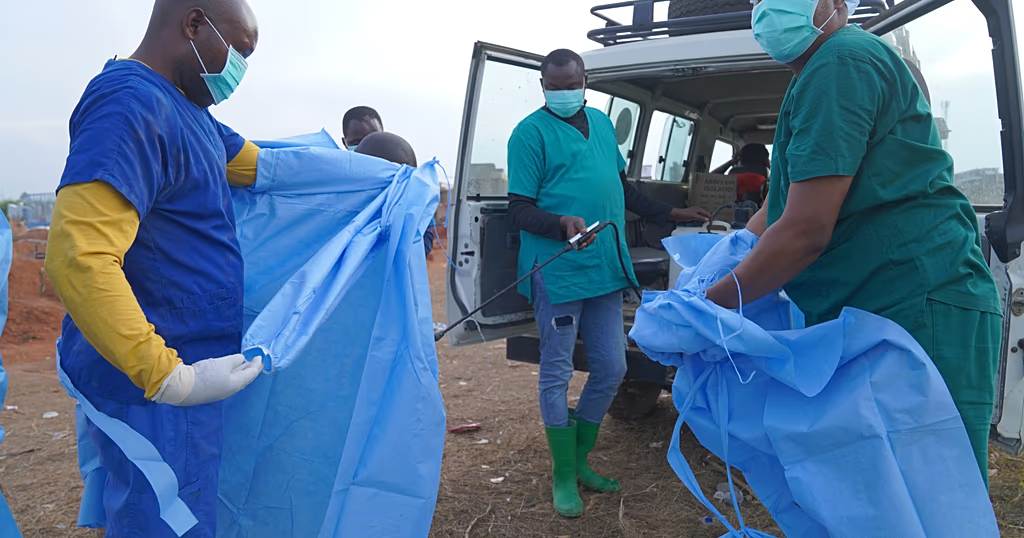
UN chief urges $1.1 billion to fight Ebola outbreak
THE NEWS: United Nations Secretary‑General António Guterres said an additional $1.1 billion is urgently needed to fight the Ebola outbreak, as the...
Read moreDetailsEvery alert that matters — when it happens.
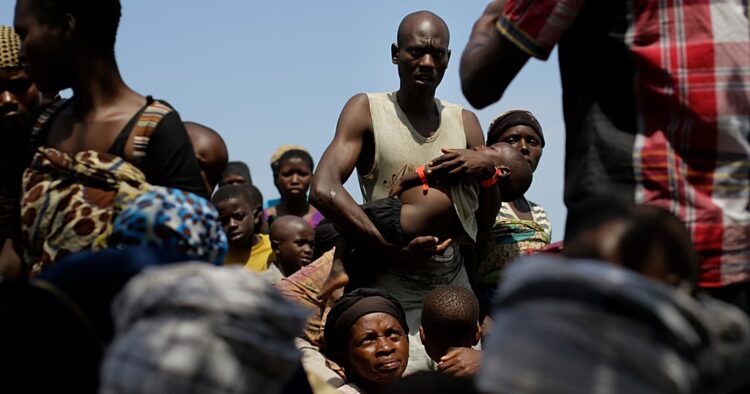
Burundi: Scores of Burundians repatriated from Tanzania
Comprehensive Summarization:
The article discusses the repatriation of Burundian refugees from Tanzania back to their home country, as part of a push by the Tanzanian government. This initiative aims to repatriate thousands of Burundians who have fled to Tanzania, either due to war or economic reasons. Among the repatriated individuals, Paul Kabura expresses his happiness at returning to his country, stating his intention to find ways to survive and support his family, including ensuring his children can return to school. However, not all repatriates share this positive sentiment; Vestine Uwizeyimana recounts negative experiences, such as the closure of markets and schools, which adversely affected their lives in Tanzania. The article also touches on broader travel trends and insights from industry thought leaders, highlighting the ongoing challenges and opportunities in the travel sector, particularly concerning repatriation and resettlement.
Key Points:
Actionable Takeaways:
Enhanced Support for Repatriated Individuals: Governments and NGOs should provide comprehensive support, including access to education and livelihood opportunities, to ensure the successful integration of repatriated individuals into their home countries. This is crucial for reducing the negative impacts of repatriation, as evidenced by Vestine Uwizeyimana’s experiences.
Addressing Infrastructure and Services: The closure of markets and schools in Tanzania highlights the need for improved infrastructure and essential services in repatriation zones. Ensuring that these basic amenities are restored can significantly improve the quality of life for repatriated individuals, as highlighted by Paul Kabura’s plans to support his family and children’s education.
Policy Review and Improvement: The Tanzanian government’s initiative underscores the importance of reviewing and improving policies related to repatriation and resettlement. Policymakers should consider the socio-economic conditions of repatriates and implement measures to mitigate challenges such as market closures and educational disruptions.
Contextual Insights:
The repatriation of Burundian refugees from Tanzania to Burundi reflects broader trends in global migration and displacement, particularly in regions affected by conflict and economic instability. The Tanzanian government’s proactive approach to repatriation aligns with current industry trends emphasizing humanitarian support and sustainable solutions for displaced populations. This initiative also highlights the critical role of travel and resettlement services in facilitating safe and orderly returns, a topic of increasing relevance as global travel and migration patterns evolve. Furthermore, the challenges faced by repatriates, such as disrupted education and market access, underscore the need for integrated approaches that address both immediate humanitarian needs and long-term socio-economic development. These insights are pertinent to travel startups and fintech innovations focused on enhancing the travel experience for repatriated individuals, offering opportunities for technological solutions in logistics, financial inclusion, and service provision.
Read the Complete Article.
THE NEWS: United Nations Secretary‑General António Guterres said an additional $1.1 billion is urgently needed to fight the Ebola outbreak, as the...
Read moreDetails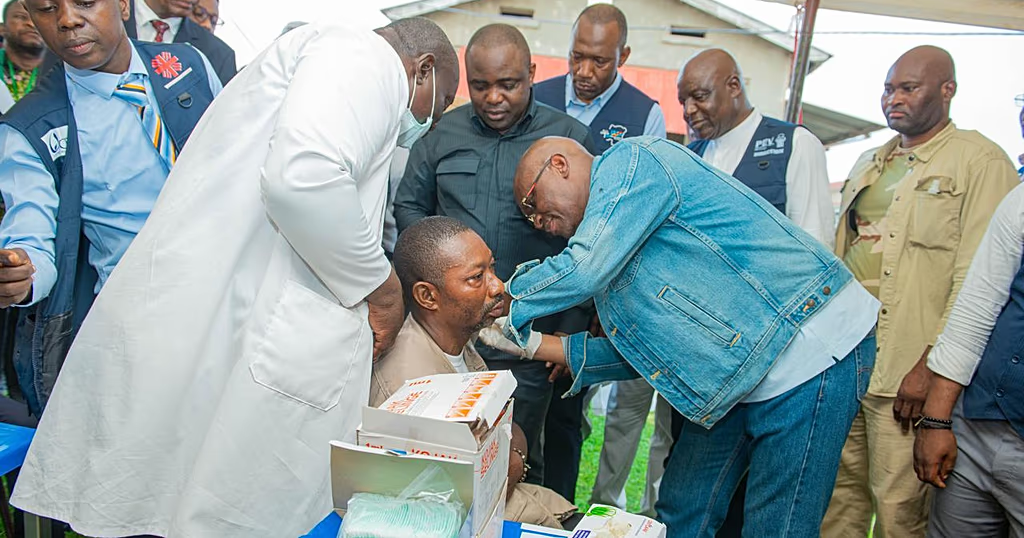

Experience the magic of the Nile aboard Kenzy Dahabeya, a luxury boutique sailing cruise that offers an unforgettable journey between...
Read moreDetails