





No products in the cart.
- Latest
- Trending

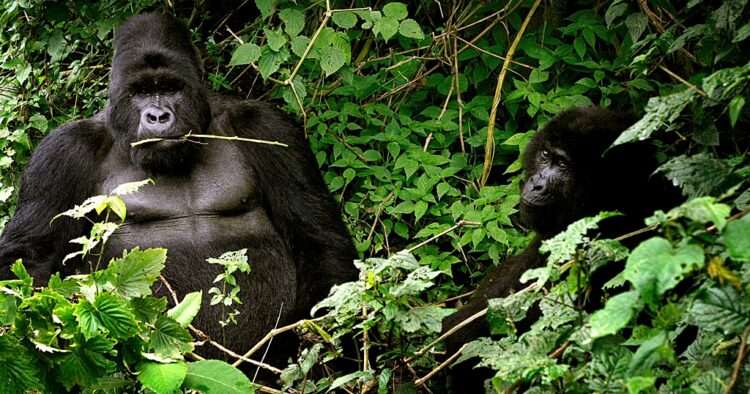
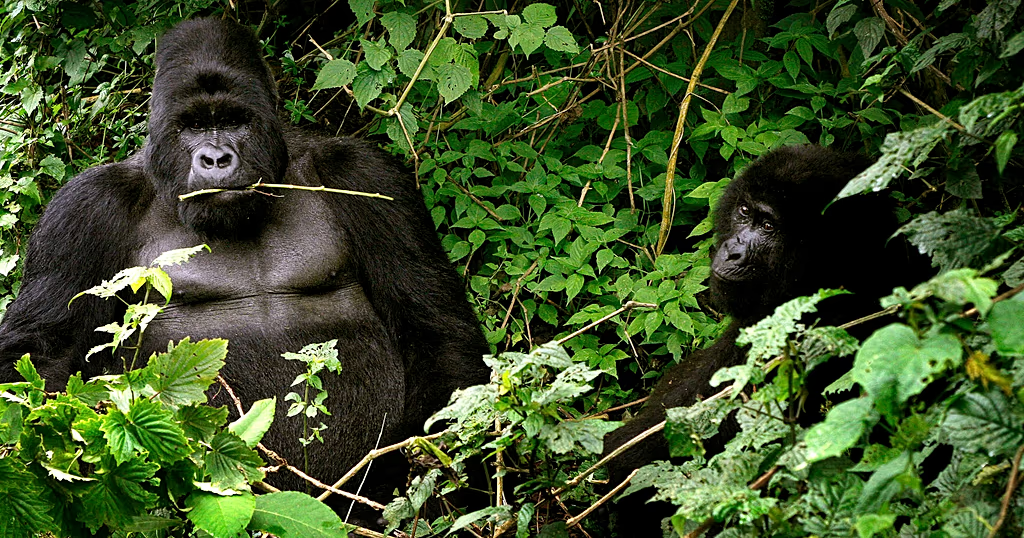
Rare gorilla twins born in conflict-hit Virunga National Park in DR Congo
Article Summary:
A mountain gorilla in Virunga National Park, Democratic Republic of Congo, has given birth to twins, a rare occurrence as fewer than one percent of pregnancies in the endangered primate result in twins. The article highlights the remarkable biodiversity in Virunga, Africa’s oldest nature reserve, which has persisted despite decades of conflict in the region. Images provided by the park show the mother, Mafuko, with her newborn sons. Wardens have spotted the babies and are implementing monitoring and protection measures to ensure their safety.
Key Points:
Actionable Takeaways:
Contextual Insights:
The birth of twins in Virunga National Park is not only a significant biological event but also a testament to the resilience of biodiversity in regions plagued by conflict. This context highlights the ongoing challenges and successes in wildlife conservation, particularly in areas where human-wildlife interactions are complex and fraught with risks. The article aligns with current industry trends that emphasize the importance of sustainable tourism and technological innovation in conservation efforts. As the travel industry continues to evolve, there is a growing recognition of the role that responsible travel can play in supporting conservation initiatives. Moreover, the integration of technology in wildlife monitoring represents a forward-looking approach that could set new standards for how travel companies engage with and contribute to conservation efforts worldwide.
Read the Complete Article.
Get curated travel AI insights — choose the newsletters that matter to you.
This spot is reserved for brands with a compelling story for the travel trade. They use this space to cut...
Read moreDetailsTravel One Technologies launches the world’s first Traveler DNA Platform, targeting the structural data gap at the core of an...
Read moreDetails