

No products in the cart.
- Latest
- Trending

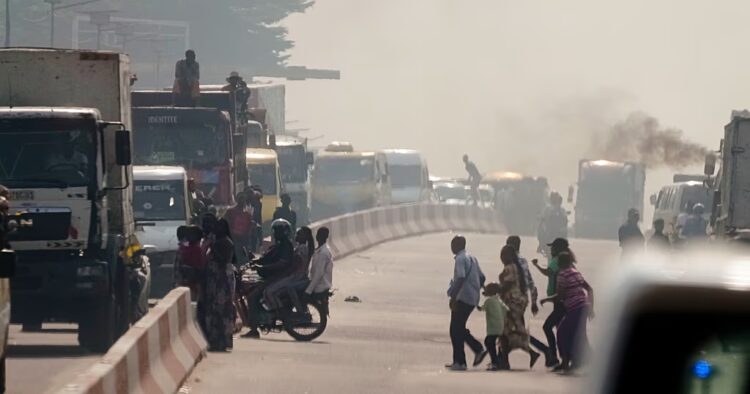
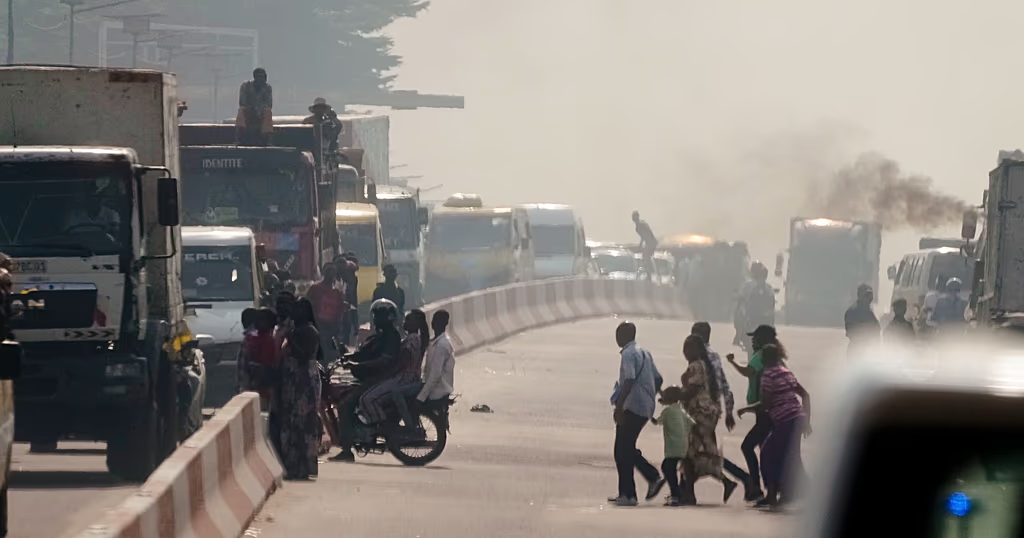
A two hour wait for fuel: Kinshasa feels first effects of Middle East war
Comprehensive Summarization:
The article highlights the growing concern over fuel shortages and price hikes in Kinshasa, the capital of the Democratic Republic of Congo, due to Iran’s blockade of the Strait of Hormuz. Long lines of motorcycles, cars, and small trucks were observed at petrol stations, with waiting times surpassing two hours for some drivers. Taxi drivers, who rely heavily on their vehicles for work, expressed significant worry over the situation. The article underscores the immediate impact of geopolitical events on the travel industry, particularly in regions heavily dependent on fuel supply chains.
Key Points:
Actionable Takeaways:
Supply Chain Resilience: Companies in the travel industry should assess and enhance the resilience of their fuel supply chains. This could involve diversifying suppliers, maintaining strategic reserves, or exploring alternative energy sources to mitigate risks associated with geopolitical events.
Risk Management Strategies: Travel businesses should develop contingency plans for fuel supply disruptions. This could include real-time monitoring of fuel prices and availability, establishing backup fuel suppliers, and preparing communication strategies to inform customers of potential service disruptions.
Investment in Alternative Energy: Given the reliance on fuel in the travel industry, there is an opportunity for investment in alternative energy sources such as electric vehicles or biofuels. This not only addresses fuel supply risks but also aligns with global trends towards sustainability and reduces carbon footprints.
Contextual Insights:
The article’s context is deeply rooted in recent geopolitical developments, specifically Iran’s blockade of the Strait of Hormuz, which has led to immediate and tangible effects on fuel availability in Kinshasa. This situation is emblematic of the broader challenges faced by the travel industry in maintaining operational continuity amidst external disruptions. The emphasis on fuel shortages and price hikes underscores the vulnerability of travel businesses to geopolitical tensions and the importance of strategic risk management.
In the context of current industry trends, the article highlights the growing importance of supply chain resilience and the need for innovative solutions to mitigate risks associated with fuel supply disruptions. Thought leaders in the travel sector are increasingly advocating for the adoption of alternative energy sources and the development of robust contingency plans to ensure business continuity. The situation in Kinshasa serves as a stark reminder of the potential impacts of geopolitical events on travel operations and the necessity for proactive risk management strategies.
Handling Different Article Types:
The article in question is a news brief, providing factual information on a specific event impacting the travel industry. The structured output format ensures that the key points and actionable takeaways are clearly delineated, making it easy for professionals to integrate this information into their decision-making processes. The contextual insights provided offer a forward-looking perspective, aligning the article’s content with broader industry trends and expert opinions.
Read the Complete Article.
Get curated travel AI insights — choose the newsletters that matter to you.
This spot is reserved for brands with a compelling story for the travel trade. They use this space to cut...
Read moreDetailsTravel One Technologies launches the world’s first Traveler DNA Platform, targeting the structural data gap at the core of an...
Read moreDetails