UN chief urges $1.1 billion to fight Ebola outbreak
THE NEWS: United Nations Secretary‑General António Guterres said an additional $1.1 billion is urgently needed to fight the Ebola outbreak, as the...
Read moreDetailsEvery alert that matters — when it happens.
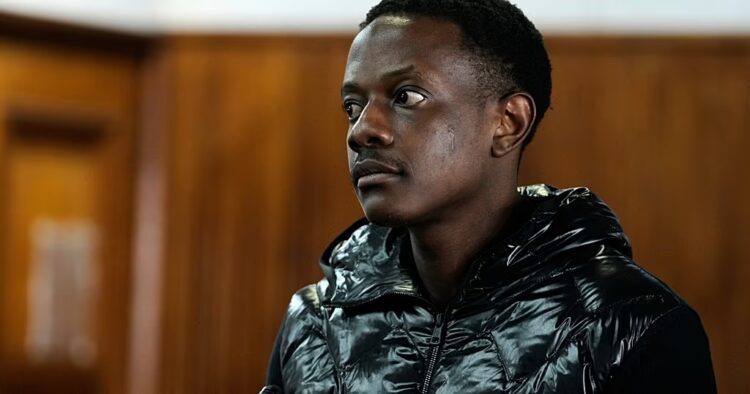
Mugabe's son appears in court over Johannesburg shooting
Comprehensive Summarization:
Bellarmine Chatunga Mugabe, the youngest son of Zimbabwe’s late former president Robert Mugabe, appeared in a South African court on Monday, facing charges of attempted murder, defeating the ends of justice, and unlawful possession of a firearm. The 29-year-old and co-accused Tobias Mugabe Matonhodze are accused of shooting a gardener at Mugabe’s Johannesburg home last week. Police have not recovered the weapon used in the incident, which left the gardener hospitalized after an altercation at the Hyde Park residence on Thursday. The article provides a factual account of the legal proceedings and the circumstances surrounding the incident, without delving into travel industry trends or insights.
Key Points:
Actionable Takeaways:
Legal and Security Implications for High-Profile Individuals: The case highlights the legal and security challenges faced by high-profile individuals, particularly those with political backgrounds. It underscores the importance of robust security measures and legal compliance, especially in regions with complex legal systems. This could prompt travel companies and security firms to enhance their services for high-net-worth individuals and political figures, ensuring their safety and compliance with local laws.
Impact on Zimbabwe’s Political Landscape: The legal proceedings against Mugabe could have broader implications for Zimbabwe’s political landscape. It may influence public perception and policy regarding the role of former presidents in society and the legal system’s ability to handle high-profile cases. Travel companies operating in Zimbabwe might need to consider the political climate and legal environment when planning business or leisure trips.
Contextual Insights:
The article reflects current legal and security challenges faced by high-profile individuals, particularly in regions with complex legal systems. While the article does not directly address travel industry trends or innovations, the implications for security and legal compliance are relevant to the travel sector. For instance, travel companies operating in regions with such legal challenges may need to invest more in security services and legal compliance measures. Additionally, the case serves as a reminder of the importance of due diligence in travel planning, especially for high-net-worth individuals and political figures, to mitigate potential risks associated with legal and security issues. This aligns with the broader trend of increased focus on security and compliance in the travel industry, driven by evolving geopolitical landscapes and heightened awareness of legal complexities.
Read the Complete Article.
THE NEWS: United Nations Secretary‑General António Guterres said an additional $1.1 billion is urgently needed to fight the Ebola outbreak, as the...
Read moreDetails

Experience the magic of the Nile aboard Kenzy Dahabeya, a luxury boutique sailing cruise that offers an unforgettable journey between...
Read moreDetails