






No products in the cart.
- Latest
- Trending

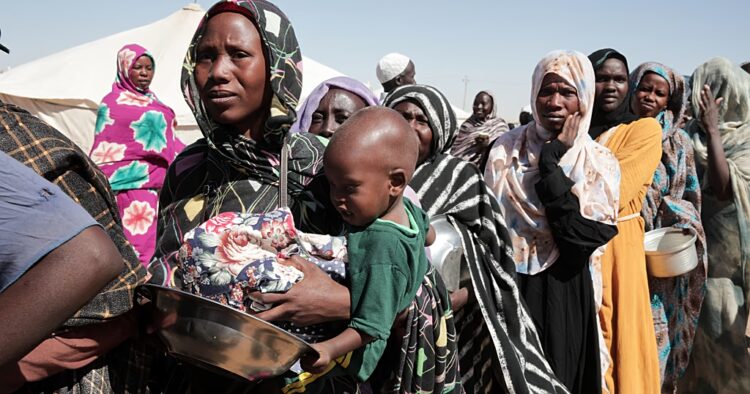
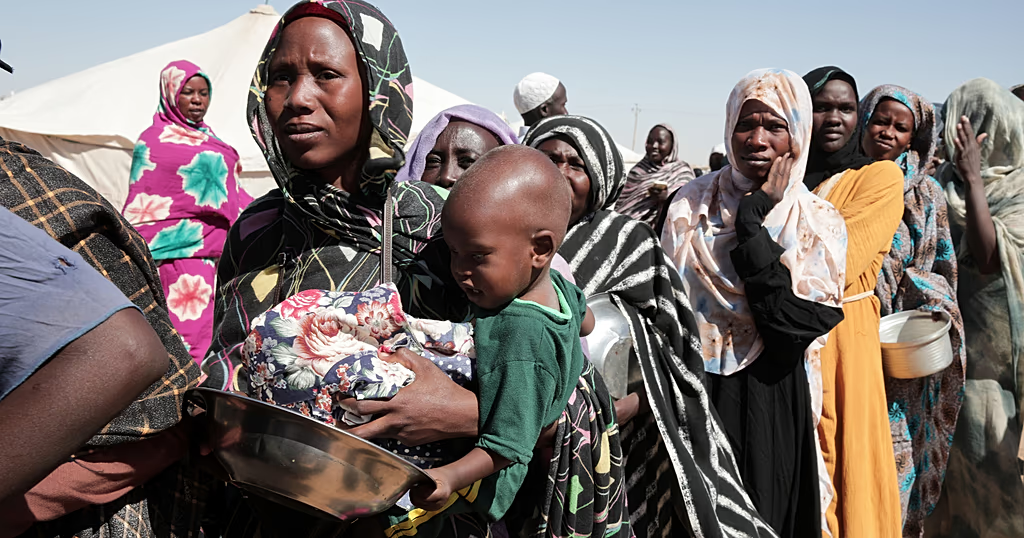
As Sudan marks 1,000 days of conflict, civilians continue to suffer
Article Summary:
The article marks 1,000 days of war in Sudan, highlighting the ongoing conflict’s devastating impact. It underscores that the war has created the world’s largest hunger crisis and largest displacement emergency. According to the UN aid coordination office, OCHA, civilians are suffering as they “pay the price for a war they did not choose.” The UN reports that over 20 million Sudanese require health assistance, while 21 million are in desperate need of food. The crisis has displaced an estimated 13.6 million people, making Sudan the largest displacement crisis globally. The article also touches on the broader context of travel trends and insights from thought leaders, though specific travel-related insights are not detailed in the provided content.
Key Points:
Actionable Takeaways:
Contextual Insights:
The article reflects the ongoing challenges faced by Sudan due to prolonged conflict, which has exacerbated humanitarian crises such as hunger and displacement. This situation is a stark reminder of the broader issues affecting regions in turmoil, where basic needs are neglected. In the context of the travel industry, such crises can significantly impact tourism, as safety and security become paramount concerns for travelers. The focus on humanitarian aid and conflict resolution aligns with current industry trends towards responsible travel, where ethical considerations and social impact are increasingly important. Thought leaders emphasize the need for sustainable travel practices that support local communities and contribute positively to regions affected by conflict. This article, while not directly related to travel tech or fintech, underscores the importance of integrating humanitarian considerations into travel planning and industry practices.
Read the Complete Article.
Get curated travel AI insights — choose the newsletters that matter to you.
This spot is reserved for brands with a compelling story for the travel trade. They use this space to cut...
Read moreDetailsTravel One Technologies launches the world’s first Traveler DNA Platform, targeting the structural data gap at the core of an...
Read moreDetails