












Comprehensive Summarization:
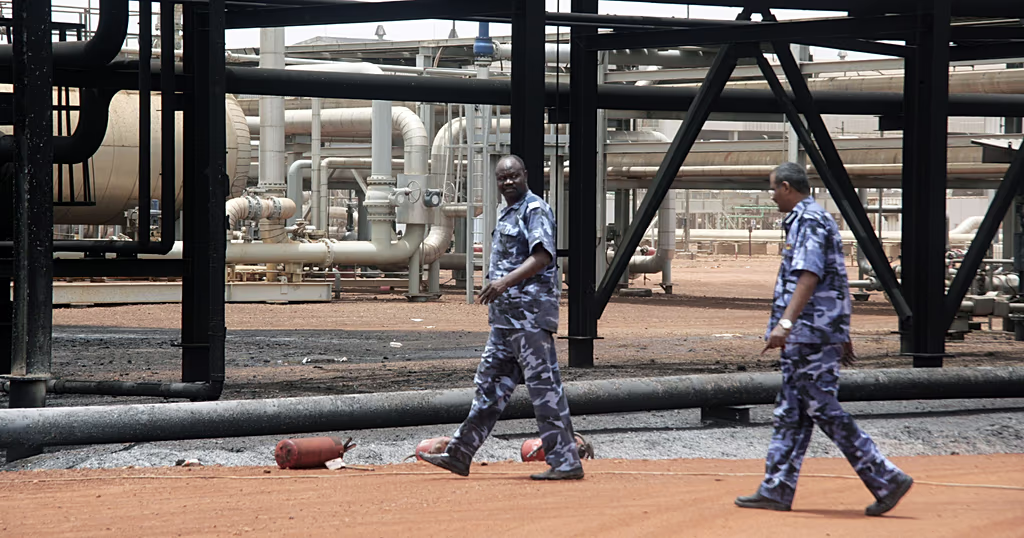
The article discusses the deepening energy crisis in Sudan, which has been exacerbated by over two years of conflict. This conflict has led to the shutdown of major oil fields and refineries, severely disrupting the country’s oil production and refining capacity. Notably, the Heglig oil field, Sudan’s largest, was completely halted in December, with all staff evacuated due to escalating violence. Additionally, attacks have damaged pipelines, refineries, and storage facilities, including oil depots in Port Sudan. This has significantly undermined Sudan’s ability to process and distribute fuel. The largest refinery near the capital, Khartoum, is also affected by these disruptions.
Key Points:
- Sudan is experiencing a deepening energy crisis due to conflict-induced shutdowns of major oil fields and refineries.
- The Heglig oil field, Sudan’s largest, was completely halted in December, with all staff evacuated.
- Attacks have damaged pipelines, refineries, and storage facilities, including oil depots in Port Sudan.
- Sudan’s largest refinery near Khartoum is also affected by these disruptions.
Actionable Takeaways:
-
Energy Supply Disruption: The shutdown of major oil fields and refineries in Sudan has led to a severe disruption in the country’s energy supply. This situation highlights the vulnerability of energy infrastructure in conflict zones and underscores the need for robust contingency plans in energy supply chains.
-
Impact on Travel and Logistics: Disruptions in fuel supply can have cascading effects on travel and logistics sectors. Travel agencies and logistics companies operating in or relying on Sudan may face challenges in maintaining operations, leading to potential delays and increased costs. This situation emphasizes the importance of diversifying supply sources and developing resilient logistics strategies.
Contextual Insights:
The energy crisis in Sudan, driven by conflict-induced shutdowns, is a stark reminder of the vulnerabilities in energy infrastructure, particularly in regions affected by instability. This situation is particularly relevant in the context of the travel industry, where fuel supply reliability is crucial for smooth operations. The article also touches on the broader implications for travel startups and fintech innovations, as companies may need to adapt to supply chain disruptions by exploring alternative fuel sources or investing in technologies that enhance operational resilience. The current context of global travel trends, which increasingly emphasize sustainability and resilience, suggests that the travel industry may need to pivot towards more sustainable and adaptable business models to navigate such crises effectively.
Read the Complete Article.



