







No products in the cart.
- Latest
- Trending

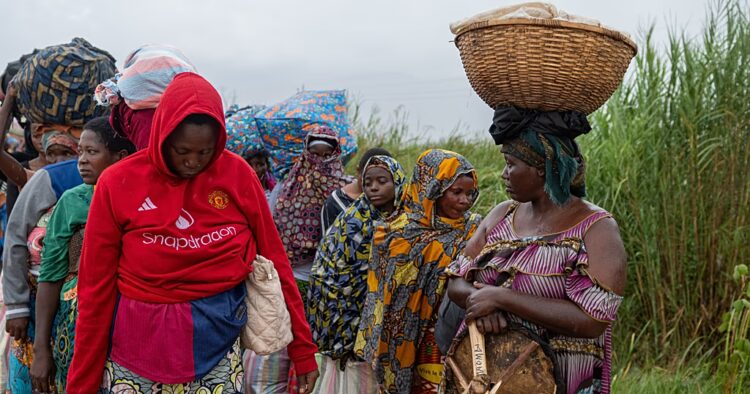
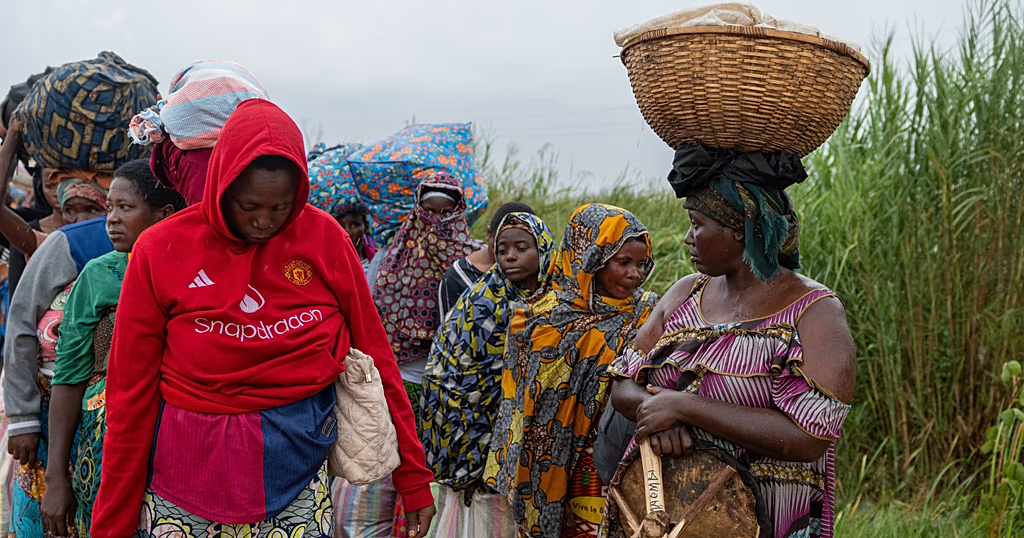
United Nations says more than 50 Congolese refugees have died in Burundi
Article Summary:
The United Nations reports that at least 53 individuals who fled ongoing conflict in the eastern Democratic Republic of Congo have died in neighboring Burundi. The refugee agency attributes 25 deaths to a cholera outbreak and six to malnutrition-related complications. The UN is collaborating with local authorities and partners to investigate the remaining cases. Over 100,000 people have sought refuge in Burundi since December, following fighting between the Congolese army and M23 rebels.
Key Points:
Actionable Takeaways:
Contextual Insights:
The article reflects the ongoing challenges faced by refugees fleeing conflict zones and the critical role of international organizations like the UN in providing aid and support. In the context of the travel industry, this situation underscores the importance of responsible travel practices, such as supporting sustainable tourism initiatives that contribute to peacebuilding efforts in conflict-affected regions. Additionally, the article highlights the need for innovative solutions in healthcare and nutrition to address the immediate needs of displaced populations, which can also inform travel tech startups focused on improving refugee support services. As the travel industry continues to evolve, staying informed about such humanitarian crises and their implications can guide strategic decisions and foster a more compassionate and resilient travel ecosystem.
Read the Complete Article.
Get curated travel AI insights — choose the newsletters that matter to you.
This spot is reserved for brands with a compelling story for the travel trade. They use this space to cut...
Read moreDetailsTravel One Technologies launches the world’s first Traveler DNA Platform, targeting the structural data gap at the core of an...
Read moreDetails