












Comprehensive Summarization:
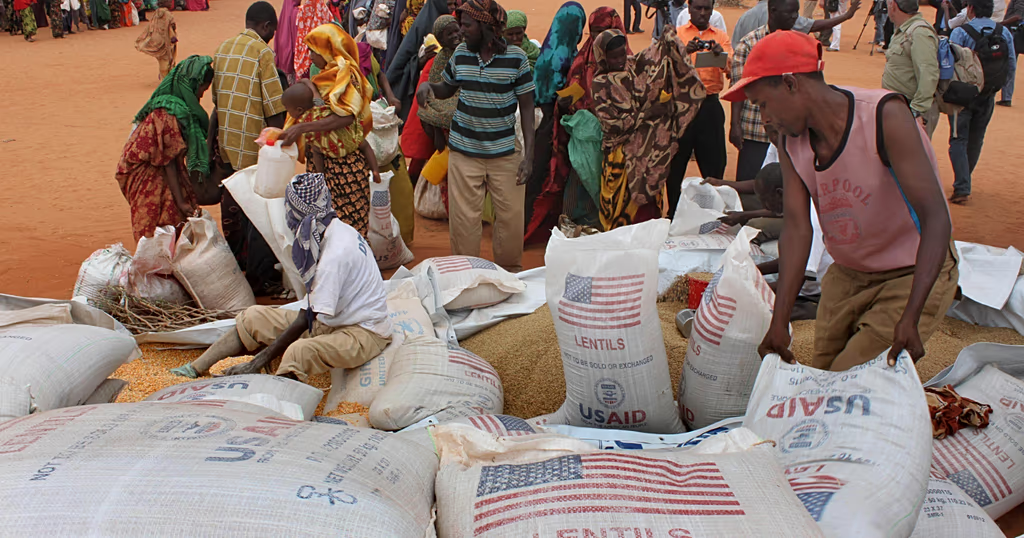
The UN’s World Food Programme (WFP) has issued a warning that it may have to cease humanitarian assistance in Somalia by April if it does not receive additional funding. Currently, the agency is assisting over 600,000 people, down from 2.2 million in early 2025. The WFP attributes this reduction to the suspension of aid by the United States in early January, citing reports of theft and government interference. This situation underscores the critical need for immediate funding to sustain humanitarian operations in the region.
Key Points:
- The WFP warns of halting humanitarian assistance in Somalia by April due to lack of funding.
- Assistance has been reduced from 2.2 million people to over 600,000 due to funding cuts.
- The United States suspended aid to Somalia in early January over concerns of theft and government interference.
Actionable Takeaways:
-
Immediate Funding Required for WFP Operations in Somalia: The WFP’s warning highlights the urgent need for increased funding to continue its humanitarian efforts in Somalia. This is crucial for ensuring food security and support for vulnerable populations in the region. Without additional funding, the WFP risks being unable to provide essential assistance, which could exacerbate the humanitarian crisis.
-
Impact of U.S. Aid Suspension on Somalia’s Aid Landscape: The suspension of U.S. aid to Somalia due to concerns over theft and government interference has significant implications for the country’s aid ecosystem. This action may set a precedent for other nations to reconsider their support, potentially leading to further reductions in international aid. It underscores the importance of transparent and accountable governance in receiving international assistance.
Contextual Insights:
The situation in Somalia highlights the intersection of humanitarian aid, international relations, and governance. The WFP’s warning reflects broader challenges faced by humanitarian organizations operating in regions with political instability and governance issues. It also underscores the vulnerability of aid operations to political decisions and the need for continuous advocacy and diplomatic efforts to secure funding. From a travel industry perspective, this situation may impact travel trends in the region, potentially leading to increased caution among travelers and a shift towards alternative destinations. Additionally, it may spur innovations in fintech solutions to enhance the efficiency and security of aid distribution, reflecting the growing importance of technology in humanitarian efforts.
Read the Complete Article.



