












Article Summary:
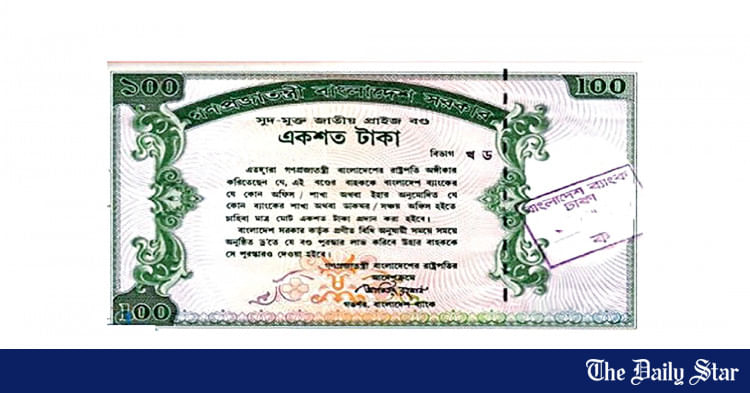
The Bangladesh Bank (BB) has announced its decision to discontinue five services, including the sale of national savings certificates and prize bonds, as well as the exchange of damaged notes, acceptance of treasury challans, and provision of change against challans. This move is aimed at limiting public access and allowing the bank to refocus on its core regulatory duties. The bank has informed the finance ministry about this decision.
Key Points:
- The Bangladesh Bank will discontinue five services, including the sale of national savings certificates and prize bonds.
- Other discontinued services include the exchange of damaged notes, acceptance of treasury challans, and provision of change against challans.
- The central bank has informed the finance ministry about this decision.
Actionable Takeaways:
- Shift in Regulatory Focus: The discontinuation of certain services indicates a strategic shift in the Bangladesh Bank’s focus towards its core regulatory duties. This move could potentially streamline the bank’s operations and enhance its regulatory effectiveness. [Relevance: This reflects a broader trend in financial institutions worldwide to refocus on core regulatory functions amidst evolving economic landscapes.]
- Impact on Public Access: The discontinuation of services like the sale of national savings certificates and prize bonds may limit public access to certain financial products. This could impact retail banking and investment activities in Bangladesh. [Relevance: Such changes often necessitate alternative financial products or services to meet public demand, highlighting the need for innovation in the banking sector.]
Contextual Insights:
The decision by the Bangladesh Bank to discontinue certain services aligns with a global trend where financial institutions are increasingly focusing on their core regulatory functions. This move is likely influenced by the need to adapt to changing economic conditions and regulatory environments. In the context of travel and fintech, such regulatory shifts can have indirect implications. For instance, fintech startups may need to adapt their services to comply with new regulatory standards, potentially driving innovation in areas like digital payments and secure transactions. Additionally, the shift could prompt other financial institutions in Bangladesh to reassess their service offerings and regulatory compliance strategies, fostering a more competitive and resilient financial sector.
Read the Complete Article.


