












Article Summary:
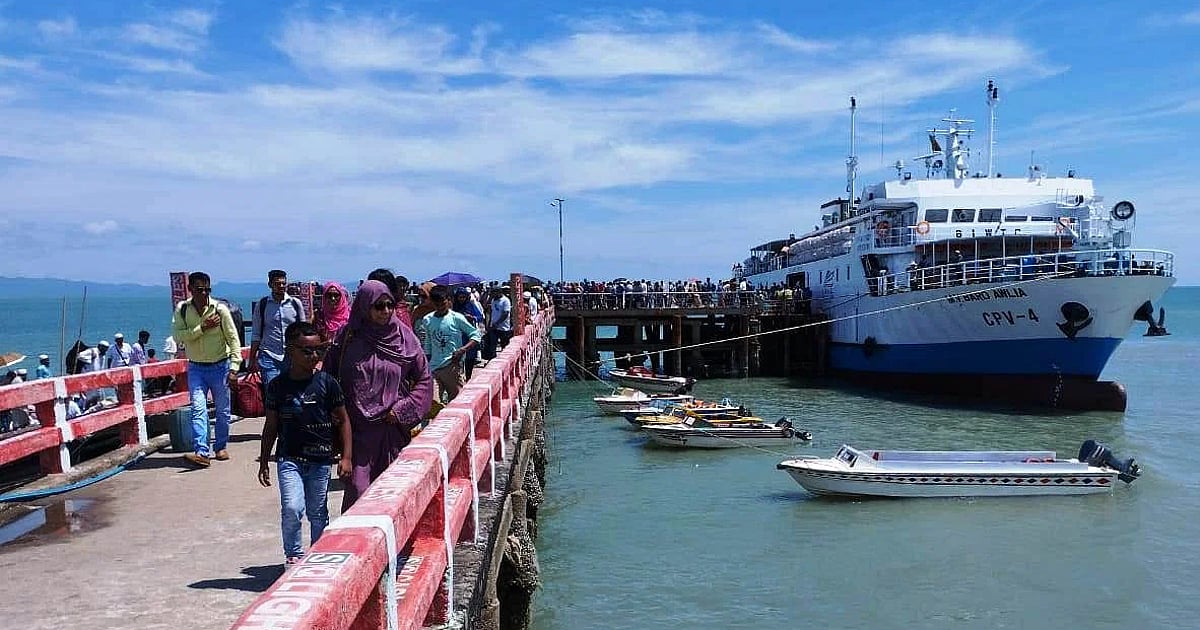
The article reports that Saint Martin’s, a coral island in the Bay of Bengal, was reopened to tourists on November 1st. However, as of the current date, Saturday, no tourists have visited the island in the past eight days. The suspension of ship services has left over 230 hotels, resorts, and cottages, along with more than a hundred restaurants, empty. The government had announced that up to 2,000 tourists per day would be allowed to visit the island upon reopening.
Key Points:
- Saint Martin’s island was reopened to tourists on November 1st.
- No tourists have visited the island in the past eight days due to suspended ship services.
- Over 230 hotels, resorts, and cottages, along with more than a hundred restaurants, are currently empty.
- The government had planned to allow up to 2,000 tourists per day upon reopening.
Actionable Takeaways:
- Impact on Local Economy: The lack of tourist activity on Saint Martin’s island is likely to have a significant negative impact on the local economy, particularly affecting the hospitality sector. This situation underscores the vulnerability of tourism-dependent economies to disruptions in travel services.
- Need for Alternative Tourism Strategies: The article highlights the importance of diversifying tourism offerings. With ship services suspended, alternative modes of transportation or unique tourist experiences may be necessary to attract visitors and stimulate economic recovery.
- Importance of Real-Time Monitoring: The rapid decline in tourist numbers suggests the need for real-time monitoring of travel services and visitor trends. This can help authorities and businesses make informed decisions to mitigate economic losses and adapt to changing conditions.
Contextual Insights:
The reopening of Saint Martin’s island to tourists, despite the suspension of ship services, reflects the broader challenges faced by the travel industry in the wake of recent global events. The article underscores the critical role of reliable transportation in facilitating tourism and the potential economic repercussions when such services are disrupted. From a forward-looking perspective, the incident highlights the need for travel startups and fintech companies to innovate in providing alternative transportation solutions and seamless payment systems for tourists. This could include developing mobile apps that offer real-time updates on travel services, secure payment options, and virtual tours to engage potential visitors. Such innovations could not only help revive tourism on islands like Saint Martin’s but also contribute to the broader resilience of the travel sector against unforeseen disruptions.
Read the Complete Article.


