



No products in the cart.
- Latest
- Trending

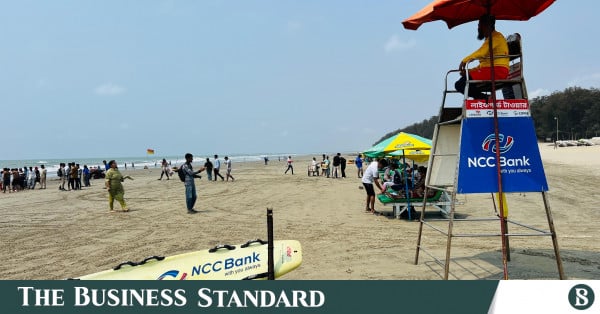
Domestic tourism booms as seven-day Eid holiday begins, hotels report 50-70% advance bookings
Comprehensive Summarization:
The article reports on the commencement of the seven-day Eid-ul-Fitr holiday, which has led to a significant increase in tourist activity in Cox’s Bazar, Bangladesh, the location of the world’s longest natural sea beach. Prior to the holiday, the town experienced minimal visitor traffic during Ramadan. However, with over 500 hotels, motels, and resorts reporting that 60-70% of their rooms are booked in advance, it is anticipated that the influx of visitors will reverse this trend. The peak tourist flow is expected to occur between March 19 and 24. The article also references a news source for further updates on the situation.
Key Points:
Actionable Takeaways:
Increased Hotel Occupancy: With 60-70% of rooms booked in advance, hotels in Cox’s Bazar are likely to experience a surge in revenue during the Eid-ul-Fitr holiday. This trend underscores the importance of effective demand forecasting and inventory management in the travel industry, particularly for destinations with seasonal peaks.
Strategic Marketing Opportunities: The surge in bookings presents an opportunity for travel agencies and tour operators to develop targeted marketing campaigns. By leveraging the heightened interest in Cox’s Bazar during Eid-ul-Fitr, these entities can offer special packages or discounts to capitalize on the increased demand.
Infrastructure and Service Readiness: The anticipated increase in tourist numbers necessitates that local authorities and businesses ensure adequate infrastructure and service readiness. This includes transportation, accommodation, and tourist information services, which must be prepared to handle the influx of visitors efficiently.
Contextual Insights:
The article reflects the cyclical nature of tourism driven by religious holidays, a pattern observed in many destinations worldwide. Cox’s Bazar’s experience highlights the potential for religious tourism to significantly impact local economies, especially in regions with natural attractions like the world’s longest sea beach. This context is crucial for understanding the broader implications of religious holidays on travel trends. Furthermore, the article aligns with current industry trends emphasizing the importance of data-driven decision-making in travel planning and marketing. As travel startups and fintech companies continue to innovate, the ability to predict and respond to such demand surges will be a key competitive advantage. The integration of technology in managing bookings and enhancing visitor experiences will likely become more pronounced, reflecting the evolving landscape of the travel industry.
Read the Complete Article.
Get curated travel AI insights — choose the newsletters that matter to you.
This spot is reserved for brands with a compelling story for the travel trade. They use this space to cut...
Read moreDetailsALTOUR Expands into Thailand, Strengthening Corporate Travel Network Across Southeast Asia BANGKOK, THAILAND (25 March, 2026) – ALTOUR, a leading...
Read moreDetails