


No products in the cart.
- Latest
- Trending

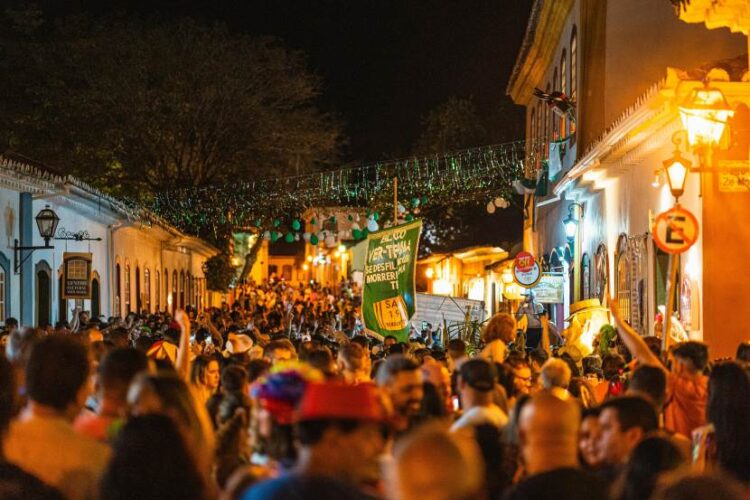
Brazil Expands Visa-Free Entry to Eight Strategic International Partners with Latest Travel Policy U...
Comprehensive Summarization:
The Brazilian government has recently expanded visa-free entry to eight additional nations, as part of a strategic decree aimed at boosting the country’s international tourism sector and facilitating global business travel. This policy shift, announced on March 1, 2026, is designed to simplify the entry process, thereby stimulating tourism and positioning Brazil as a premier destination for both leisure and business travelers. The Brazilian Ministry of Tourism is leveraging this move to enhance the nation’s appeal, reflecting a broader trend of governments leveraging travel policies to stimulate economic recovery and growth in the wake of global uncertainties.
Key Points:
Actionable Takeaways:
Enhanced Tourism Opportunities: Travelers from the newly included nations can now visit Brazil without the need for a visa, potentially leading to an increase in tourist arrivals. This could be particularly beneficial for Brazil’s tourism sector, which may see a surge in visitors from these countries, thereby boosting local economies through increased spending on accommodations, dining, and local experiences.
Strengthened Business Travel: The visa-free policy is expected to facilitate smoother business travel between Brazil and the participating nations. This could lead to increased corporate collaborations, trade fairs, and international conferences in Brazil, fostering economic growth and strengthening international business ties.
Economic Revitalization: By simplifying the entry process, the Brazilian government is likely to attract more international visitors and business travelers, contributing to economic revitalization. This could have a positive ripple effect on various sectors, including hospitality, transportation, and local businesses, thereby contributing to overall economic growth.
Contextual Insights:
The expansion of visa-free entry for Brazil aligns with a broader trend observed globally, where governments are leveraging travel policies to stimulate economic recovery and growth. In the wake of the COVID-19 pandemic, many countries have implemented such measures to boost tourism and international business travel, which were severely impacted during lockdowns and travel restrictions. Brazil’s move is a strategic response to these global trends, aiming to capitalize on the growing interest in South American destinations. Furthermore, this policy shift reflects the increasing importance of travel tech and digital solutions in simplifying international travel processes, a trend that is likely to continue shaping the travel industry in the coming years. The article also highlights the potential for Brazil to become a key player in the global tourism market, leveraging its rich cultural heritage, natural beauty, and strategic location to attract a diverse range of visitors.
Read the Complete Article.
Get curated travel AI insights — choose the newsletters that matter to you.
This spot is reserved for brands with a compelling story for the travel trade. They use this space to cut...
Read moreDetailsTravel One Technologies launches the world’s first Traveler DNA Platform, targeting the structural data gap at the core of an...
Read moreDetails