



















Travel Capitalist Ventures Expands Check Size to $10 Million to Deepen Emerging Market Conviction
Boutique Travel VC raises investment cap from $1.5M to $10M to lead rounds and support portfolio companies through growth Travel...
Read moreDetails

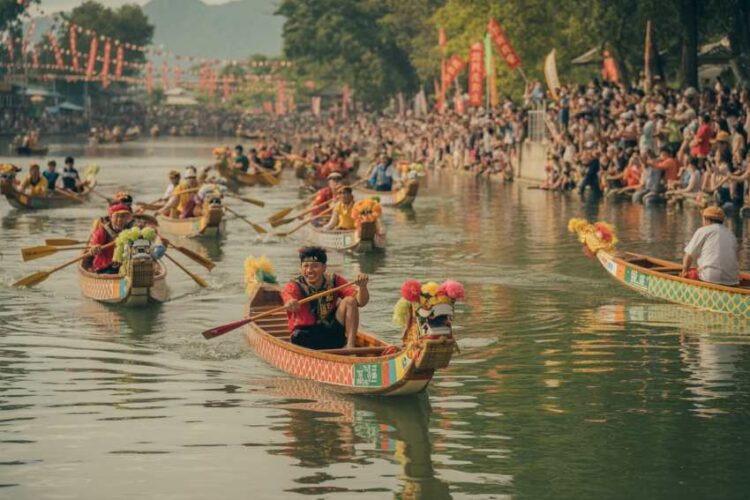
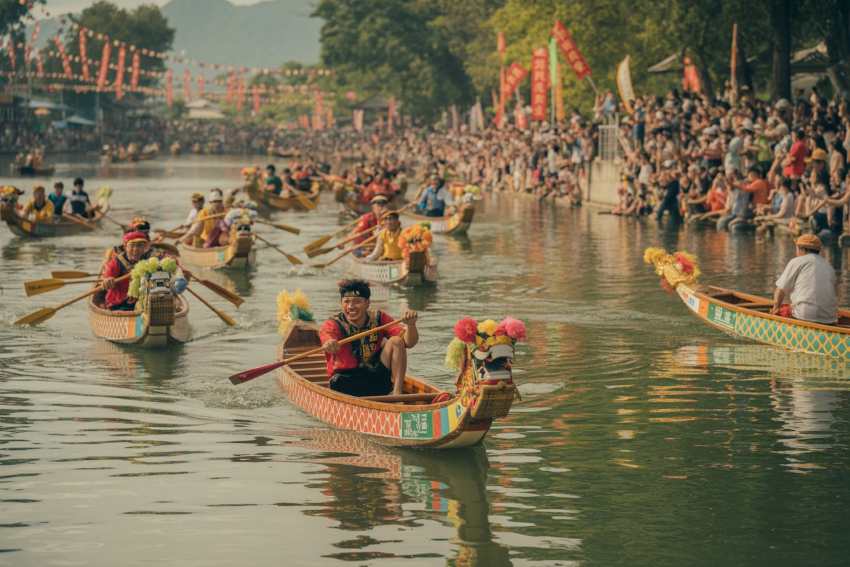
Siem Reap Province Welcomes Over 360,000 Tourists During Water Festival, Driving Local Tourism and E...
Article Summary:
Siem Reap Province in Cambodia experienced a significant tourism surge during the Water Festival, also known as the Royal Boat Festival, held from November 4 to 6, 2025. The festival attracted approximately 368,246 tourists, a mix of national and international visitors, significantly boosting the local tourism sector. This year’s festival was a unique cultural spectacle, drawing thousands of people from across Cambodia and beyond.
Key Points:
Actionable Takeaways:
Increased Tourism Revenue: The surge in tourism during the Water Festival indicates a potential increase in revenue for local businesses and the provincial economy. This could encourage further investment in tourism infrastructure and marketing strategies to capitalize on the growing interest in cultural festivals.
Cultural Tourism Growth: The article highlights the importance of cultural festivals in driving tourism. This suggests a trend towards promoting cultural experiences as a key selling point for destinations. Travel agencies and tourism boards may want to emphasize cultural festivals in their marketing campaigns to attract more visitors.
Contextual Insights:
The Water Festival in Siem Reap is a testament to the growing significance of cultural tourism in the global travel market. As more travelers seek authentic cultural experiences, destinations that can offer unique cultural events are likely to see increased interest. This aligns with the broader trend of travel tech companies focusing on enhancing cultural immersion experiences through technology, such as virtual reality tours and interactive cultural guides.
Moreover, the festival’s success underscores the potential of regional tourism hubs like Siem Reap to become key players in the global tourism economy. As such, there is a growing emphasis on leveraging local cultural heritage to drive economic growth, with startups and fintech innovations playing a crucial role in streamlining tourism operations and enhancing visitor experiences.
In conclusion, the article provides valuable insights into the impact of cultural festivals on tourism and the broader travel industry. It highlights the importance of cultural experiences in attracting tourists and the potential for such events to drive economic growth. For professionals in the travel industry, these insights offer actionable strategies for leveraging cultural tourism to enhance revenue and market reach.
Read the Complete Article.
Boutique Travel VC raises investment cap from $1.5M to $10M to lead rounds and support portfolio companies through growth Travel...
Read moreDetails




