Article Summary:
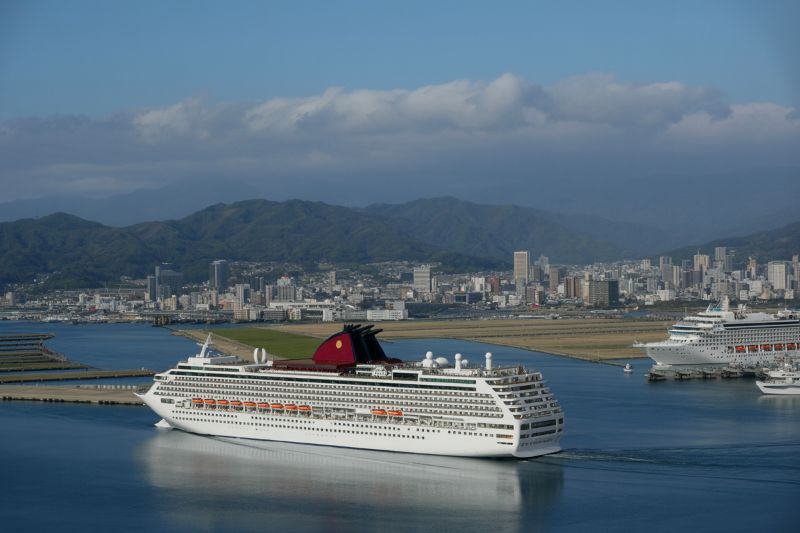
The article discusses the impact of diplomatic tensions between China and Japan on the travel industry, particularly focusing on the cancellation of a cruise liner, the Mediterranea from Adora Cruises, which had planned to visit Japan. The cancellation is linked to Japanese Prime Minister Sanae Takaichi’s remarks about Taiwan, which have exacerbated the diplomatic issues. The article highlights the broader implications for travel, sightseeing, and cultural activities in the region.
Key Points:
- Diplomatic tensions between China and Japan have led to disruptions in the travel industry, including cruise cancellations and itinerary changes.
- The Mediterranea cruise liner, operated by a state-owned Chinese company, has reversed its planned trip to Japan and canceled scheduled trips to Okinawa due to political tensions.
- Japanese Prime Minister Sanae Takaichi’s remarks about Taiwan have further strained relations, impacting travel and cultural exchanges between the two countries.
- The article emphasizes the ripple effects of diplomatic issues on various aspects of the travel industry, including sightseeing and cultural activities.
Actionable Takeaways:
-
Strategic Reassessment of Travel Itineraries: Travel companies should reassess and potentially revise their itineraries in regions affected by diplomatic tensions. This proactive measure can help mitigate risks associated with political instability and ensure the safety of travelers.
- Relevance and Impact: By adjusting travel plans, companies can protect their clients from potential disruptions and maintain the integrity of their service offerings, thereby preserving brand reputation and customer trust.
-
Enhanced Risk Management in Travel Planning: Implementing robust risk management strategies that include real-time monitoring of diplomatic developments can help travel companies anticipate and respond to potential disruptions more effectively.
- Relevance and Impact: This approach allows travel providers to stay ahead of emerging issues, enabling them to offer more reliable and secure travel experiences. It also positions companies as forward-thinking leaders in the industry, capable of navigating complex geopolitical landscapes.
Contextual Insights:
The article reflects the current state of the travel industry, where geopolitical tensions can have immediate and significant impacts on travel operations. The cancellation of the Mediterranea cruise highlights the vulnerability of travel services to political developments, especially in regions with sensitive diplomatic relations. This situation underscores the importance of adaptability and resilience in travel planning. Looking forward, the article suggests that the travel industry must increasingly focus on technological solutions and strategic partnerships to mitigate risks associated with geopolitical uncertainties. Innovations in travel tech, such as real-time itinerary adjustments and enhanced communication channels, can play a crucial role in maintaining operational continuity and ensuring customer satisfaction. Additionally, fostering collaborations between travel companies, government agencies, and diplomatic bodies can provide valuable insights and support in navigating complex international relations.
Read the Complete Article.