

![Panoramic View of Gimpo International Airport. [Korea Airports Corporation]](https://images.traveltrade.today/wp-content/uploads/2026/03/Jeju-Air-Announces-May-Launch-of-Jeju–Incheon-Route.jpg)




No products in the cart.
- Latest
- Trending

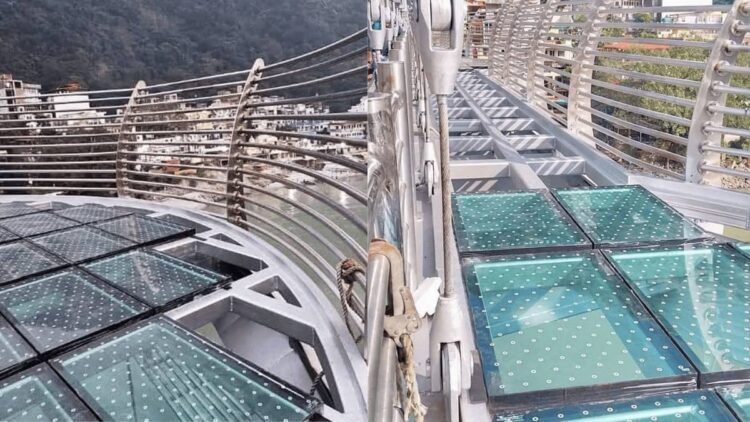
Bajrang Setu: India’s First Glass-Floor Suspension Bridge Set To Boost Tourism In Rishikesh
Comprehensive Summarization:
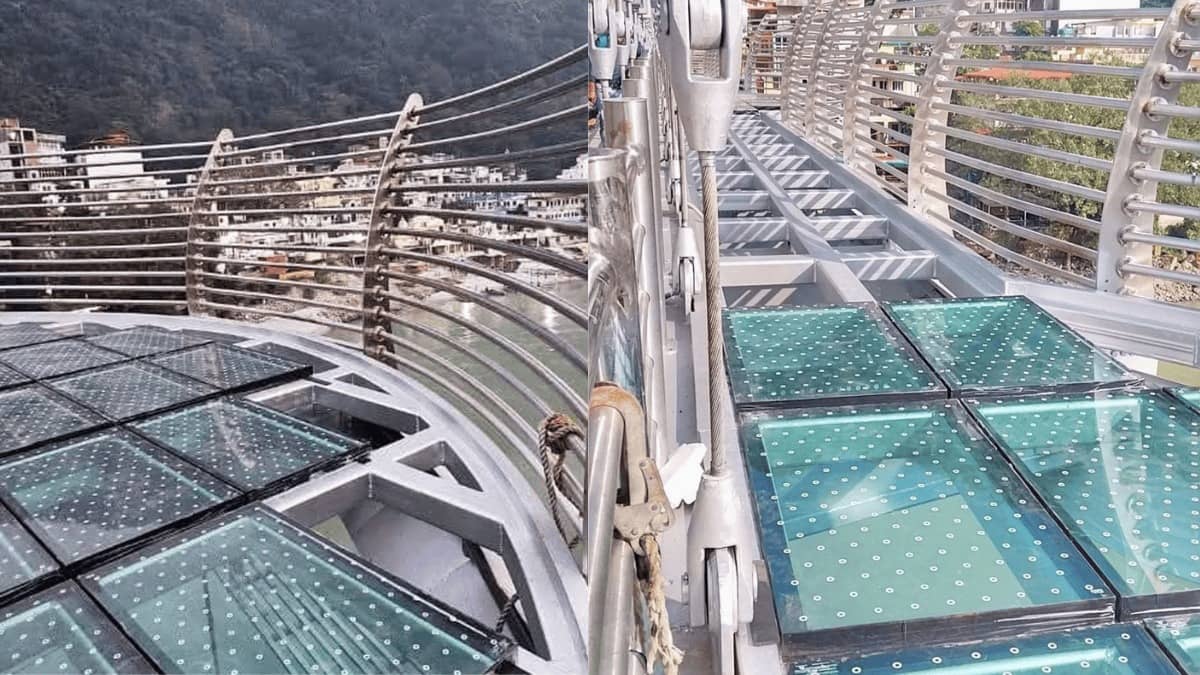
The article announces the near completion of Bajrang Setu, India’s first glass-floor suspension bridge over the Ganga River in Rishikesh. The bridge, measuring 132 meters in length and 8 meters in width, is set to boost tourism in the region. It includes a 5-meter-wide steel deck for bicycles and 1.5-meter-wide glass walkways on either side for walkers. The bridge’s construction is currently undergoing technical testing by concerned authorities. The project, with an approximate expenditure of ₹60 crore, is situated downstream of the old Laxman Jhula.
Key Points:
Actionable Takeaways:
Tourism Boost in Rishikesh: The completion of Bajrang Setu is expected to significantly boost tourism in Rishikesh. The unique glass-floor design offers tourists a novel experience, allowing them to walk on the river while enjoying panoramic views. This could potentially increase the number of visitors to Rishikesh, thereby benefiting local businesses such as hotels, restaurants, and souvenir shops.
Innovation in Infrastructure: The introduction of Bajrang Setu showcases India’s growing capability in infrastructure innovation. The use of glass walkways in a suspension bridge is a novel concept that could inspire similar projects in other parts of the country and globally. This could lead to advancements in bridge design and construction techniques, potentially reducing costs and increasing safety in future projects.
Potential for Travel Tech Integration: The bridge’s construction and operation could pave the way for integration with travel technology. For instance, real-time data on footfall could be used to optimize visitor flow, while digital ticketing systems could streamline access. This could open up new opportunities for travel startups and fintech innovations, such as mobile payment systems or loyalty programs.
Contextual Understanding:
The announcement of Bajrang Setu aligns with the current trend of promoting eco-tourism and adventure tourism in India. Rishikesh, known for its spiritual significance and proximity to the Ganga River, is increasingly becoming a popular destination for tourists seeking adventure and spiritual experiences. The bridge’s unique design caters to this trend, offering a novel way for tourists to experience the river.
Moreover, the project reflects India’s growing focus on infrastructure innovation. As the country continues to develop, there is a growing emphasis on creating unique, tourist-friendly infrastructure that can differentiate destinations and attract more visitors. The use of glass walkways in a suspension bridge is a testament to this trend, demonstrating how infrastructure can be both functional and aesthetically appealing.
Handling Different Article Types:
The article is a news blurb, providing factual information about the construction of Bajrang Setu. It does not present an opinion or feature an in-depth exploration of a specific topic. Therefore, the analysis strictly adheres to the facts and context provided in the article.
Read the Complete Article.
Get curated travel AI insights — choose the newsletters that matter to you.
This spot is reserved for brands with a compelling story for the travel trade. They use this space to cut...
Read moreDetailsTravel One Technologies launches the world’s first Traveler DNA Platform, targeting the structural data gap at the core of an...
Read moreDetails