








No products in the cart.
- Latest
- Trending

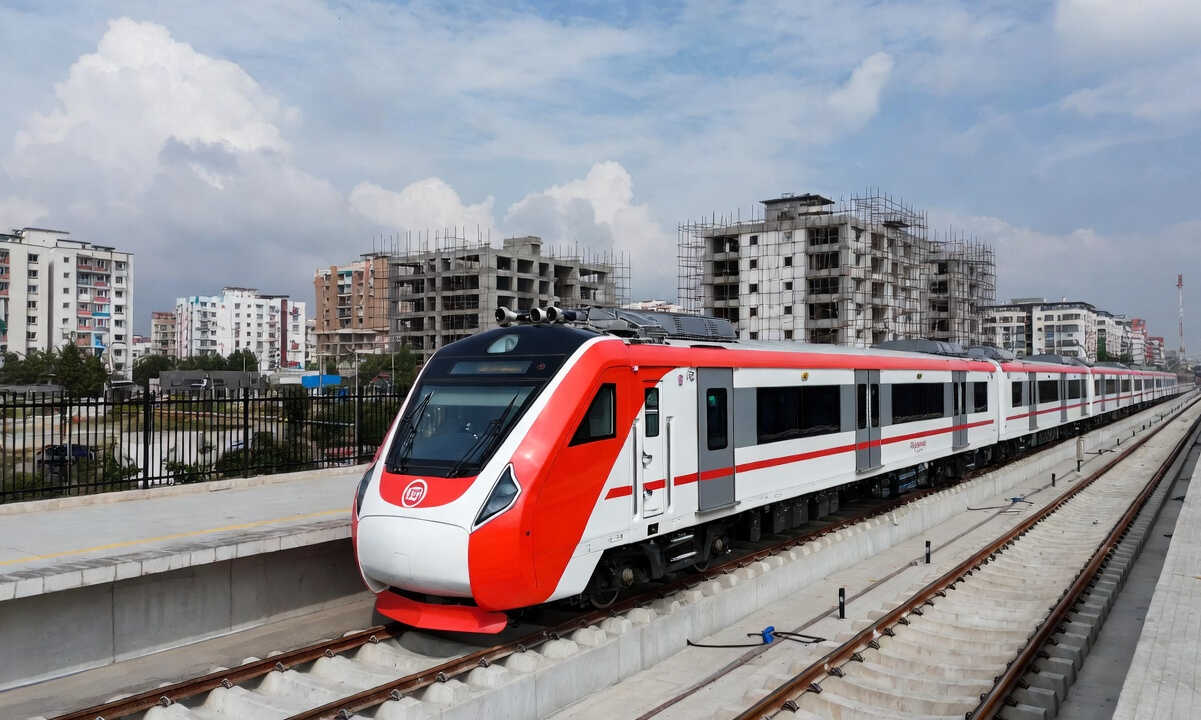
Delhi-Meerut Travel Time Slashed to One Hour as Namo Bharat Rail Corridor Promises Major Boost to Re...
Comprehensive Summarization:
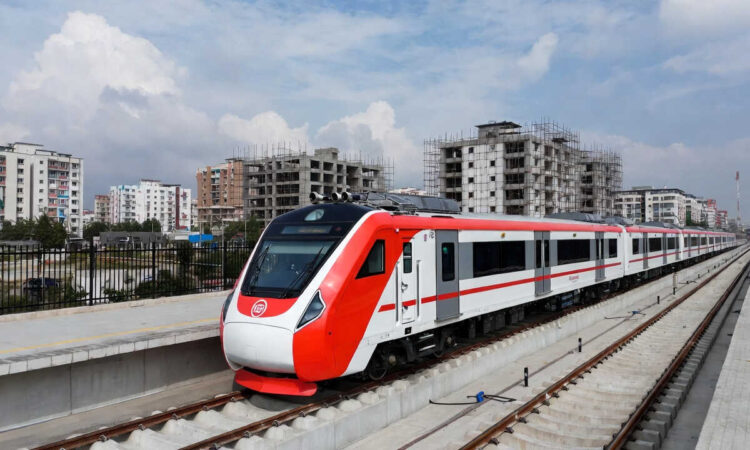
The article reports on the inauguration of the Namo Bharat high-speed rail corridor, which connects Delhi and Meerut, significantly reducing travel time between these two cities to just one hour. This development is expected to revolutionize daily commutes and enhance regional connectivity in India’s National Capital Region. The Namo Bharat Rail Corridor is anticipated to drive major real estate development along its route, marking a substantial boost for the local property market. The article highlights the transformative impact of this high-speed rail initiative on both transportation efficiency and real estate development in the region.
Key Points:
Actionable Takeaways:
Enhanced Real Estate Opportunities: The reduction in travel time to one hour along the Delhi-Meerut corridor is expected to drive significant real estate development in the region. This presents a lucrative opportunity for real estate investors and developers looking to capitalize on the increased accessibility and connectivity. The improved rail service is likely to attract more businesses and residents to the area, thereby boosting property values and investment potential.
Boost to Transportation Infrastructure: The inauguration of the Namo Bharat high-speed rail corridor signifies a major advancement in transportation infrastructure in India. This development not only improves travel efficiency but also sets a precedent for future high-speed rail projects across the country. For stakeholders in the transportation sector, this could mean increased investment opportunities and partnerships in the development and expansion of high-speed rail networks.
Impact on Urban Planning: The integration of high-speed rail into urban planning strategies in the National Capital Region is a forward-looking trend. Cities and municipalities can learn from this initiative to incorporate high-speed rail into their long-term urban development plans, enhancing mobility, reducing traffic congestion, and promoting sustainable urban growth. Urban planners and policymakers should consider the potential of high-speed rail in shaping future cityscapes and improving quality of life for urban dwellers.
Contextual Understanding:
The article reflects the ongoing global trend towards enhancing transportation infrastructure to improve connectivity and spur economic development. The reduction of travel time between Delhi and Meerut to just one hour is a testament to the rapid advancements in high-speed rail technology and its potential to transform urban mobility. This development aligns with the broader industry trend of integrating technology and innovation into traditional sectors like transportation to meet the evolving needs of modern society.
Moreover, the article underscores the importance of real estate development in leveraging transportation infrastructure improvements. As travel times decrease, the demand for housing and commercial spaces near transit hubs is likely to surge, presenting lucrative opportunities for developers and investors. This correlation between transportation advancements and real estate growth is a key insight for professionals in the real estate sector, emphasizing the need to align development strategies with transportation infrastructure upgrades.
In the context of the travel industry, the Namo Bharat Rail Corridor exemplifies how strategic investments in transportation can have far-reaching effects on regional economies and urban development. For thought leaders and industry experts, this case study serves as a valuable example of how high-speed rail can drive economic growth, enhance connectivity, and stimulate real estate markets. The insights from this article can inform future travel trends, startup innovations, and fintech solutions aimed at optimizing travel experiences and capitalizing on emerging opportunities in the transportation sector.
Read the Complete Article.
Get curated travel AI insights — choose the newsletters that matter to you.
This spot is reserved for brands with a compelling story for the travel trade. They use this space to cut...
Read moreDetailsTravel One Technologies launches the world’s first Traveler DNA Platform, targeting the structural data gap at the core of an...
Read moreDetails