






No products in the cart.
- Latest
- Trending

“From Compassion To Combat, Operation Sindoor Reflects New India” Rajnath Singh
Comprehensive Summarization:
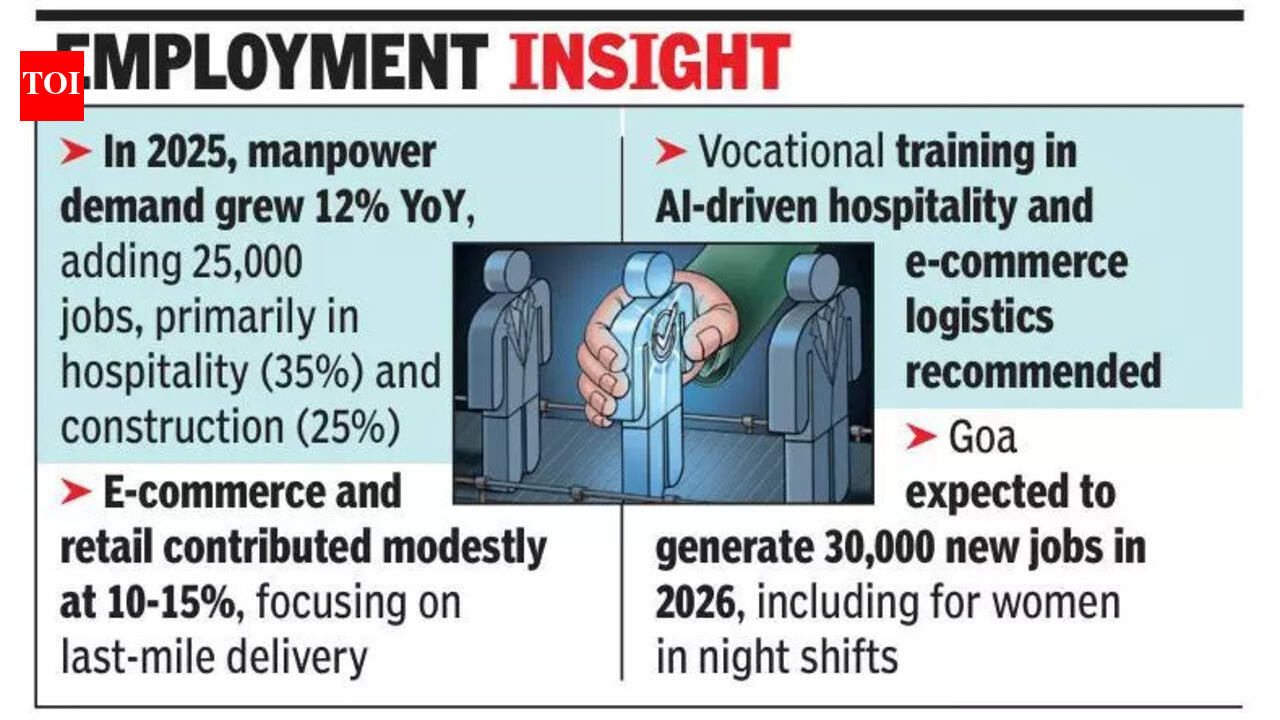
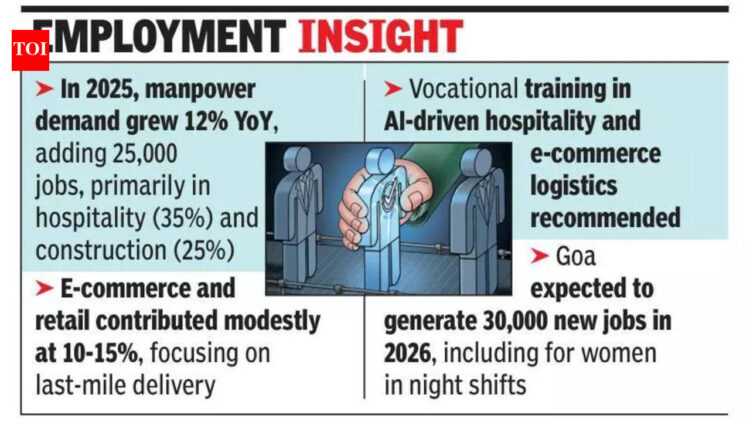
The article discusses Goa’s hiring trends for 2025-2026, highlighting a 12% year-on-year increase in manpower demand, driven by the tourism, real estate, and IT sectors. According to the Indian Staffing Federation (ISF), this growth added 25,000 jobs, with 35% of hires in hospitality and 25% in construction, primarily due to the boom in luxury real estate. E-commerce and retail contributed modestly to hiring, focusing on last-mile delivery during festive seasons, while IT saw an 18% growth. Despite this expansion, there are still 15% manpower shortages in skilled areas like digital marketing and sustainable tourism, correlating with urban migration reversals post-pandemic. Suchita Dutta, executive director of the Indian Staffing Federation, emphasizes these trends.
Key Points:
Actionable Takeaways:
Focus on Skilled Hiring in Tourism and IT: With a 12% increase in demand, particularly in hospitality and IT, companies should prioritize hiring skilled workers in these sectors to capitalize on the tourism boom and IT growth. This aligns with the current industry trend of digital transformation and the increasing importance of hospitality in luxury real estate.
Address Skilled Shortages: The 15% shortage in skilled areas like digital marketing and sustainable tourism presents an opportunity for startups and tech firms to innovate and fill these gaps. Investing in training programs or partnerships with educational institutions could help bridge this gap, ensuring a steady supply of skilled labor.
Leverage Urban Migration Trends: The correlation between urban migration reversals and hiring shortages suggests that companies should adapt their recruitment strategies to target both urban and suburban areas. This could involve targeted marketing campaigns or partnerships with local job fairs to attract a diverse pool of candidates.
Contextual Insights:
The article reflects the current state of the travel industry, where digital transformation and urban migration trends are significantly impacting hiring dynamics. The focus on luxury real estate and hospitality underscores the growing consumer preference for premium travel experiences. The 18% growth in the IT sector highlights the increasing reliance on technology in travel services, from online booking platforms to digital marketing strategies. These insights suggest that the travel industry is evolving rapidly, with a strong emphasis on technology and skilled labor. Thought leaders emphasize the need for companies to adapt to these trends by investing in skilled hiring and innovative solutions to meet the growing demand.
Read the Complete Article.
Get curated travel AI insights — choose the newsletters that matter to you.
This spot is reserved for brands with a compelling story for the travel trade. They use this space to cut...
Read moreDetailsALTOUR Expands into Thailand, Strengthening Corporate Travel Network Across Southeast Asia BANGKOK, THAILAND (25 March, 2026) – ALTOUR, a leading...
Read moreDetails