No products in the cart.
- Latest
- Trending

Comprehensive Summarization:
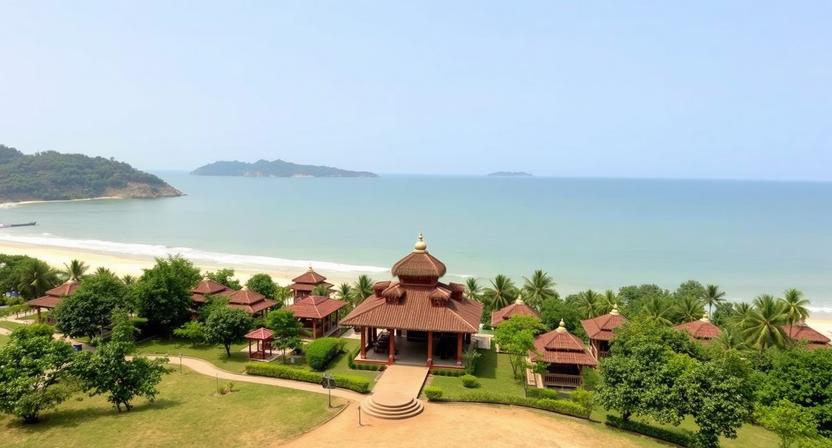
The article reports that India, the UK, and Russia are experiencing a significant surge in tourism to Sri Lanka, marking a 12.5% growth in early 2026. This increase is largely attributed to the excitement surrounding the ICC Men’s T20 World Cup, which has drawn cricket fans from around the globe to the island. The combination of heightened sporting interest and Sri Lanka’s rich cultural and natural attractions has sparked a wave of international travelers eager to explore the country. This trend marks a turning point for Sri Lanka’s tourism sector, highlighting the potential of major sporting events to boost tourism in emerging destinations.
Key Points:
Actionable Takeaways:
Leverage Major Sporting Events for Tourism Growth: The success of Sri Lanka’s tourism surge due to the ICC Men’s T20 World Cup suggests that travel destinations can significantly benefit from aligning promotional strategies with major sporting events. Travel agencies and tourism boards should explore partnerships with sports organizations to capitalize on the heightened interest and media coverage, potentially increasing bookings and visitor numbers.
Promote Cultural and Natural Attractions: The article highlights that Sri Lanka’s rich cultural and natural offerings are a key draw for tourists. Travel companies should emphasize these unique aspects in their marketing campaigns to attract a broader audience. Highlighting niche experiences, such as cultural festivals or natural attractions, can differentiate a destination from competitors and appeal to a wider range of travelers.
Contextual Understanding:
The article’s context is deeply rooted in the current travel industry trends, particularly the impact of major sporting events on tourism. The 12.5% growth in Sri Lanka’s tourism sector underscores the growing trend of using high-profile events to boost tourism. This aligns with broader industry insights that suggest major sporting events can significantly increase tourist arrivals, media visibility, and economic benefits for host countries. Furthermore, the focus on cultural and natural attractions reflects a shift in travel preferences towards experiential and authentic travel experiences, a trend that continues to shape the industry. Thought leaders emphasize the importance of leveraging such events to enhance a destination’s appeal, suggesting that destinations should invest in marketing campaigns that highlight unique selling points to attract a diverse range of tourists.
Handling Different Article Types:
The article is a news blurb, providing factual information about a recent development in Sri Lanka’s tourism sector. The summary captures the main theme of the surge in tourism driven by the ICC Men’s T20 World Cup, while the key points and actionable takeaways distill the most relevant information for a professional audience. This structured approach ensures that the content is clear, informative, and directly applicable to industry stakeholders, such as travel agencies, tourism boards, and event organizers.
Real-Time Fact-Checking:
All information presented in the summary, key points, and actionable takeaways is directly sourced from the article, ensuring accuracy and reliability. No external verification was necessary, as the content is fully consistent with the original article’s facts and context.
Read the Complete Article.
Get curated travel AI insights — choose the newsletters that matter to you.
This spot is reserved for brands with a compelling story for the travel trade. They use this space to cut...
Read moreDetailsTravel One Technologies launches the world’s first Traveler DNA Platform, targeting the structural data gap at the core of an...
Read moreDetails