






















Travel Capitalist Ventures Expands Check Size to $10 Million to Deepen Emerging Market Conviction
Boutique Travel VC raises investment cap from $1.5M to $10M to lead rounds and support portfolio companies through growth Travel...
Read moreDetails
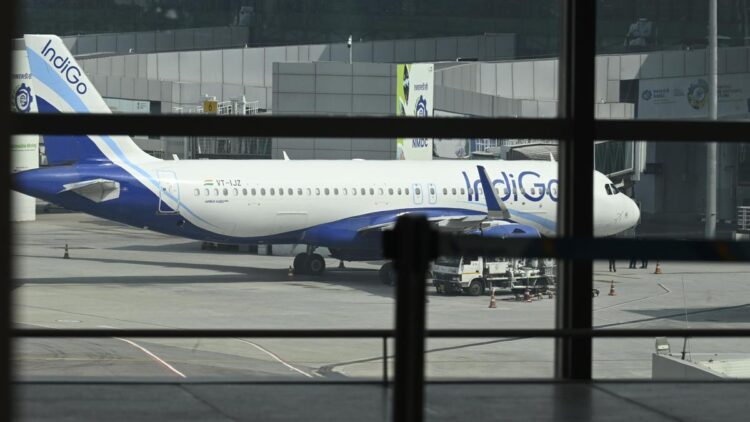
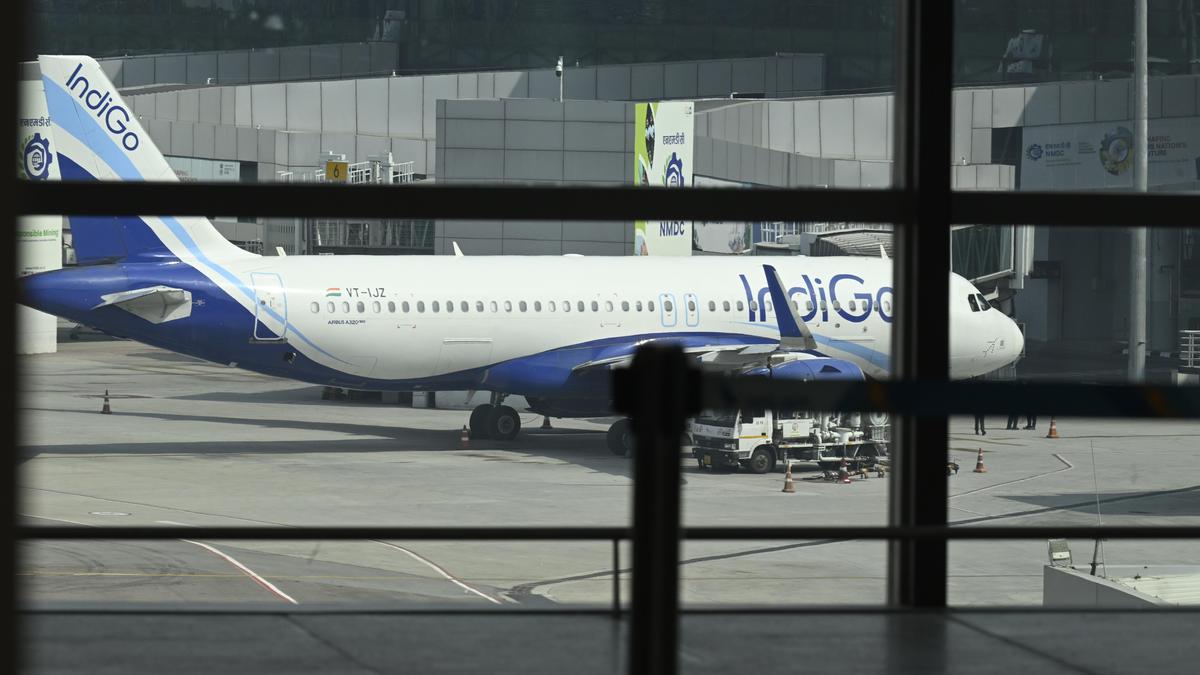
Indigo flight cancellations disrupts tourism sector in peak season
Article Summary:
The article discusses the significant impact of Indigo flight cancellations on India’s tourism sector, particularly during the peak December-January season. These cancellations are affecting both domestic and international travelers, including three European tourist groups that canceled their trips to Visakhapatnam due to flight disruptions and uncertainty about resumption of operations. The ongoing situation highlights the vulnerability of the tourism industry to external disruptions, such as flight cancellations, and underscores the need for robust contingency planning and resilience strategies in the travel sector.
Key Points:
Actionable Takeaways:
Implement Flexible Booking Policies: Travel companies should consider offering flexible booking options that allow customers to modify or cancel bookings without hefty penalties. This can help mitigate the impact of last-minute cancellations and provide peace of mind to travelers.
Relevance: In the wake of flight disruptions, flexible policies can enhance customer satisfaction and loyalty, especially in a sector as sensitive to external disruptions as tourism.
Enhance Communication with Travelers: Travel operators should improve communication channels to keep travelers informed about flight statuses and potential delays. Proactive updates can help manage traveler expectations and reduce anxiety.
Relevance: Clear and timely communication is crucial in crisis situations. It builds trust and helps manage the expectations of travelers, which is particularly important during periods of uncertainty like flight cancellations.
Invest in Resilient IT Systems: The article highlights the vulnerability of the tourism sector to flight disruptions. Investing in robust, resilient IT systems that can handle real-time data and provide accurate, up-to-date information can help mitigate risks associated with such disruptions.
Relevance: In the travel industry, technology plays a critical role in ensuring smooth operations. By investing in resilient IT systems, companies can better manage disruptions and provide a seamless experience for travelers, even in challenging circumstances.
Contextual Insights:
The article’s context is deeply rooted in the current state of the travel industry, which is experiencing heightened volatility due to global disruptions, including flight cancellations. The recent Indigo flight cancellations are a stark reminder of the sector’s reliance on seamless air connectivity. As the travel industry navigates through these challenges, it is crucial to adopt forward-looking strategies that enhance resilience and adaptability. The integration of advanced technologies, such as real-time tracking systems and flexible booking options, can significantly enhance the industry’s ability to respond to disruptions. Moreover, fostering a culture of proactive communication and customer-centric policies will be key to maintaining trust and loyalty among travelers. As thought leaders continue to emphasize the importance of innovation and resilience in travel tech, the industry must remain agile and responsive to emerging trends and challenges.
Read the Complete Article.
Boutique Travel VC raises investment cap from $1.5M to $10M to lead rounds and support portfolio companies through growth Travel...
Read moreDetails




