







No products in the cart.
- Latest
- Trending

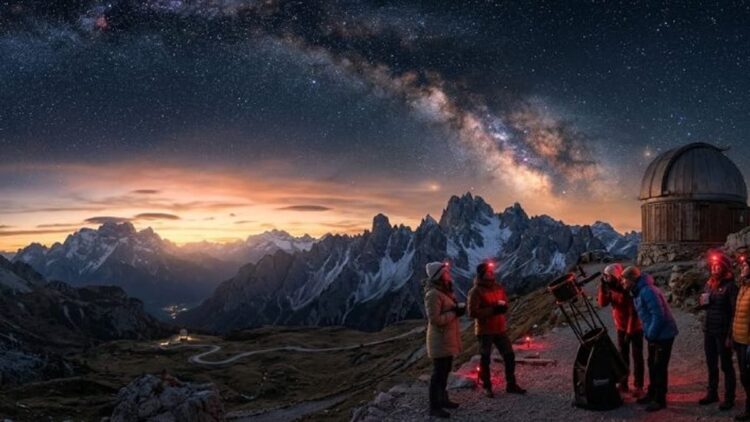
Ladakh’s Hanle Dark Sky Reserve Is India’s Dazzling New Astro Hub
Comprehensive Summarization:
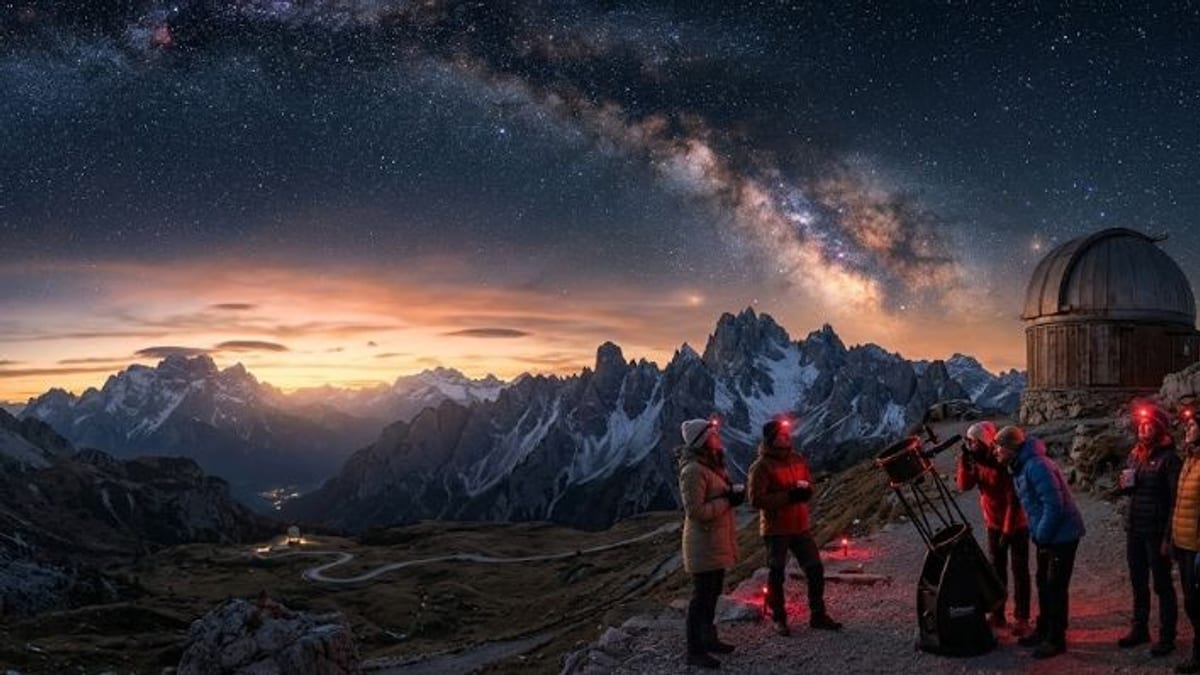
The article highlights the transformation of Hanle, a remote village in Ladakh, India, into one of the world’s premier astro tourism destinations. Located high on a windswept plateau at over 4,500 meters above sea level, Hanle has become India’s first Dark Sky Reserve. This designation has rapidly turned the village into a hotspot for astro tourism, attracting not only astronomers but also a growing number of adventure travelers. Previously known mainly to astronomers and a few adventurous souls, Hanle has seen a significant shift in its identity and appeal, thanks to its designation as a Dark Sky Reserve. This development has positioned Hanle as a unique and spectacular destination for those interested in stargazing and astro tourism, marking a new era for the village and the surrounding Changthang Cold Desert Wildlife Sanctuary.
Key Points:
Actionable Takeaways:
Astro Tourism Growth: The designation of Hanle as a Dark Sky Reserve presents a significant opportunity for growth in astro tourism. Travel agencies and tour operators can capitalize on this trend by developing specialized packages and experiences for astro tourists, thereby tapping into a niche market with high potential for revenue growth.
Leveraging Remote Location: Hanle’s remote location, while initially a challenge, has become a unique selling point for astro tourism. Travel companies can leverage this by marketing Hanle as a destination offering unparalleled stargazing experiences away from city lights, appealing to a growing segment of travelers seeking unique and immersive experiences.
Integration of Travel Tech: The rise of Hanle as an astro tourism hotspot underscores the importance of integrating travel technology in the sector. Tour operators can benefit from using advanced booking systems, virtual reality previews of stargazing experiences, and mobile apps for real-time updates on celestial events, enhancing the overall customer experience and operational efficiency.
Contextual Insights:
The transformation of Hanle into a Dark Sky Reserve reflects broader trends in the travel industry towards niche and experiential tourism. As travelers increasingly seek unique and immersive experiences, destinations like Hanle are capitalizing on their unique offerings to attract a specialized market segment. This shift is also indicative of the growing importance of technology in the travel industry, with advancements in travel tech playing a crucial role in enhancing the appeal and accessibility of niche destinations. Furthermore, the designation of Hanle as a Dark Sky Reserve aligns with global efforts to preserve dark skies and promote sustainable tourism, highlighting the interconnectedness of environmental conservation and tourism development. As the travel industry continues to evolve, such developments will likely influence future trends, encouraging more destinations to explore the potential of niche tourism and technological integration.
Read the Complete Article.
Get curated travel AI insights — choose the newsletters that matter to you.
ALTOUR Expands into Thailand, Strengthening Corporate Travel Network Across Southeast Asia BANGKOK, THAILAND (25 March, 2026) – ALTOUR, a leading...
Read moreDetails


Comprehensive Summarization: The article highlights the transformation of Hanle, a remote village in Ladakh, India, into one of the world's...
Read moreDetails