










Comprehensive Summarization:
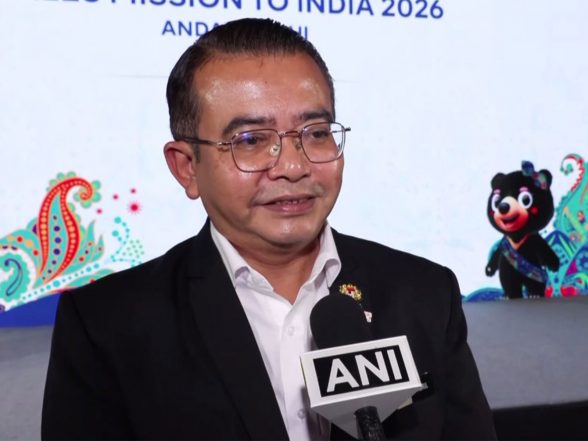
The article highlights Malaysia’s ambitious plan to attract 2.1 million Indian tourists by 2026, as announced by Tourism Malaysia Director General Mohd Amirul Rizal Abdul Rahim. This target reflects a 14% increase in Indian arrivals compared to the same period last year, underscoring the importance of India as one of Malaysia’s most significant tourism markets. Rahim emphasized the need for enhanced promotional activities across India and the push for improved direct air connectivity, particularly beyond Kuala Lumpur. The article provides a snapshot of the current state of travel between India and Malaysia, emphasizing the strategic importance of India in Malaysia’s tourism landscape and the ongoing efforts to strengthen bilateral ties.
Key Points:
- Malaysia aims to attract 2.1 million Indian tourists by 2026, marking a 14% increase in arrivals compared to the previous year.
- Tourism Malaysia is intensifying promotional activities in India and advocating for improved direct air connectivity to destinations outside Kuala Lumpur.
- India remains a crucial market for Malaysia’s tourism industry, accounting for around 1.5 million arrivals last year.
- The push for better travel links between the two countries is part of Malaysia’s strategy to boost tourism.
Actionable Takeaways:
-
Enhance Direct Air Connectivity: Strengthening direct air links between India and Malaysia, especially to non-Kuala Lumpur destinations, can significantly boost tourist inflows. This strategic move aligns with current industry trends focusing on seamless travel experiences and could position Malaysia as a more accessible and attractive destination for Indian tourists.
-
Boost Promotional Efforts: Expanding promotional activities in India is essential to capitalize on the growing interest in Malaysian tourism. Leveraging digital platforms, influencer partnerships, and targeted marketing campaigns can amplify reach and engagement, thereby driving up tourist numbers. This approach is in line with modern travel marketing strategies that prioritize digital engagement and personalization.
-
Leverage International Partnerships: Strengthening bilateral ties through enhanced air connectivity and promotional campaigns can foster a win-win situation for both countries’ tourism industries. Collaborating with travel agencies, airlines, and hospitality businesses in both regions can create synergies that drive mutual growth and innovation in the travel sector.
Contextual Insights:
The article reflects current travel trends emphasizing the importance of bilateral partnerships and strategic marketing in boosting tourism. With the global travel industry still recovering from the impacts of the COVID-19 pandemic, strategies that focus on enhancing connectivity and promotional activities are more relevant than ever. Thought leaders in the travel sector are increasingly advocating for data-driven marketing approaches that leverage insights from technology and consumer behavior to tailor travel experiences. The focus on India as a key market for Malaysia aligns with broader trends of regional tourism resurgence, where countries are leveraging their unique cultural and geographical offerings to attract international visitors. As travel tech continues to evolve, innovations in digital platforms and travel solutions will play a critical role in facilitating smoother and more appealing travel experiences, potentially transforming how destinations like Malaysia attract and retain tourists from key markets such as India.
Read the Complete Article.

