






![Panoramic View of Gimpo International Airport. [Korea Airports Corporation]](https://images.traveltrade.today/wp-content/uploads/2026/03/Jeju-Air-Announces-May-Launch-of-Jeju–Incheon-Route.jpg)



No products in the cart.
- Latest
- Trending

South Korea, India, Malaysia, and Mexico’s Top Medical Tourism Surge: Will Korean Air, Emirates, Air...
Comprehensive Summarization:
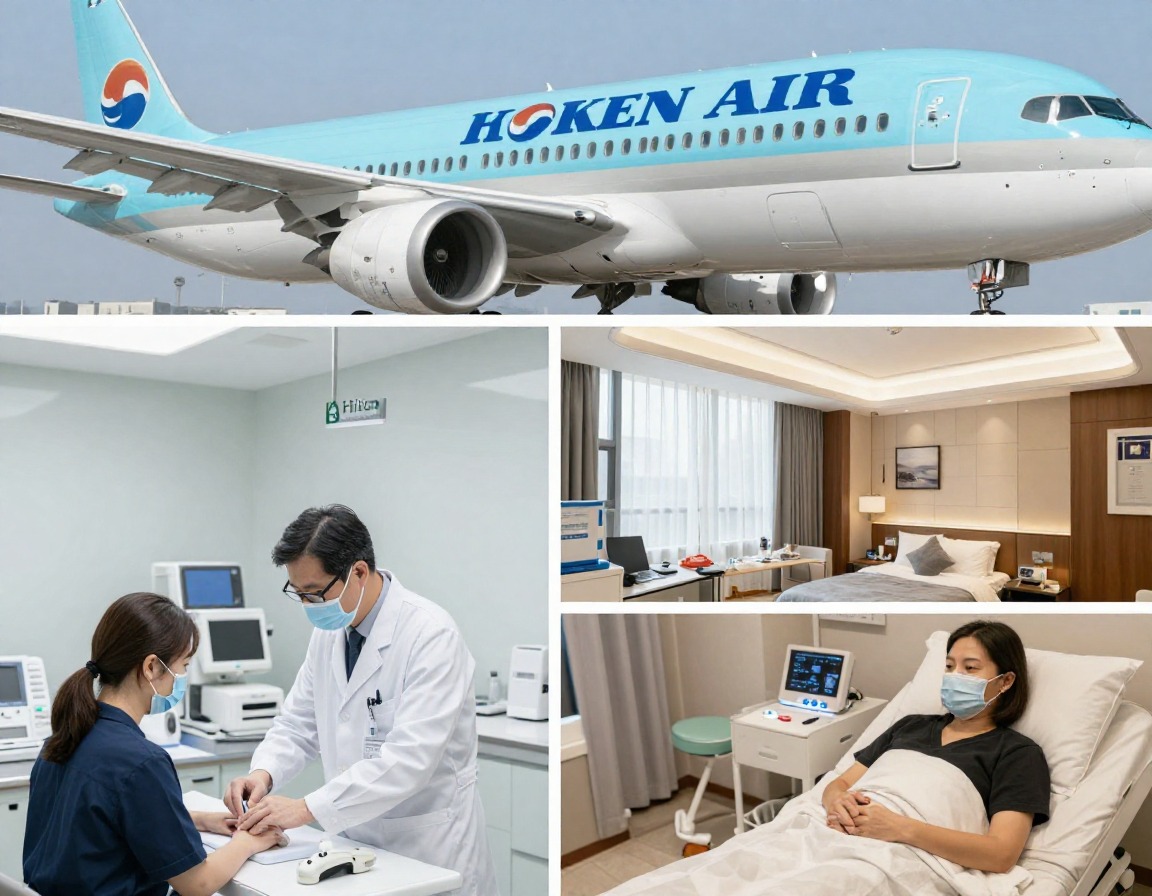
The article highlights South Korea, India, and Mexico as the leading destinations in the global medical tourism boom, with a significant increase in patients seeking high-quality, affordable healthcare abroad in 2026. These countries are attracting millions of medical travelers, offering advanced treatments in various fields such as cosmetic surgery, dental care, fertility, and complex surgeries. The growing industry emphasizes the need for seamless travel experiences, positioning companies like Korean Air, Emirates, AirAsia, and Hilton Hotels to potentially thrive in the healthcare revolution by 2026.
Key Points:
Actionable Takeaways:
Investment in Seamless Travel Solutions: Companies operating in the medical tourism sector should invest in developing seamless travel experiences, including integrated booking platforms, travel insurance tailored for medical procedures, and streamlined visa processes. This will enhance patient satisfaction and encourage more individuals to choose these destinations for their healthcare needs.
Focus on Advanced Treatment Offerings: With the surge in demand for advanced medical treatments, healthcare providers and travel agencies should focus on offering a wide range of cutting-edge procedures. This includes not only traditional treatments but also emerging fields such as regenerative medicine and minimally invasive surgeries, to attract a broader patient base.
Leverage Strategic Partnerships: Collaborations between healthcare providers, travel agencies, and hospitality brands (e.g., Hilton Hotels) can create comprehensive packages that cater to the entire medical tourism journey. Such partnerships can enhance the overall patient experience, from pre-travel consultations to post-treatment follow-ups, thereby solidifying these destinations as leaders in the global medical tourism market.
Contextual Insights:
The article reflects the current trend of globalization in the healthcare sector, where patients are increasingly opting for medical treatments abroad due to cost-effectiveness and access to advanced technologies. South Korea, India, and Mexico are strategically positioned to capitalize on this trend, leveraging their robust healthcare systems, skilled medical professionals, and competitive pricing. The emphasis on seamless travel experiences aligns with broader industry trends towards integrating travel and healthcare services, driven by technological advancements and changing consumer expectations. As these countries continue to attract millions of medical tourists, they are likely to see significant growth in their healthcare and hospitality sectors, potentially setting new standards for medical tourism globally.
Read the Complete Article.
Get curated travel AI insights — choose the newsletters that matter to you.
This spot is reserved for brands with a compelling story for the travel trade. They use this space to cut...
Read moreDetailsTravel One Technologies launches the world’s first Traveler DNA Platform, targeting the structural data gap at the core of an...
Read moreDetails