





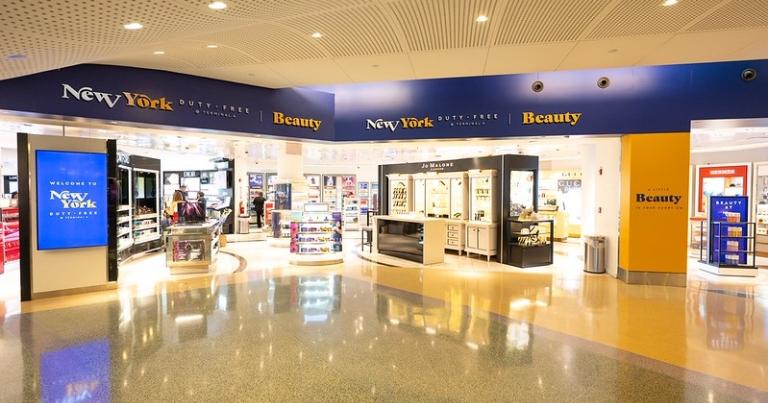
















Travel Capitalist Ventures Expands Check Size to $10 Million to Deepen Emerging Market Conviction
Boutique Travel VC raises investment cap from $1.5M to $10M to lead rounds and support portfolio companies through growth Travel...
Read moreDetails
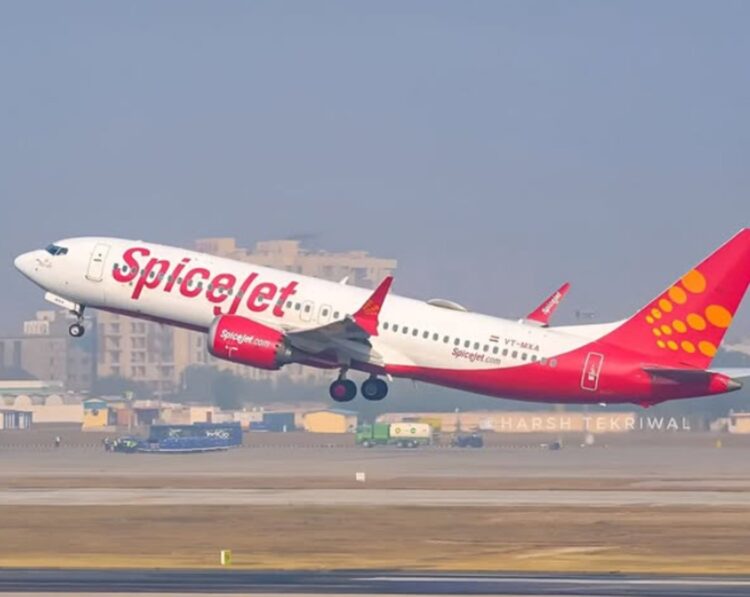
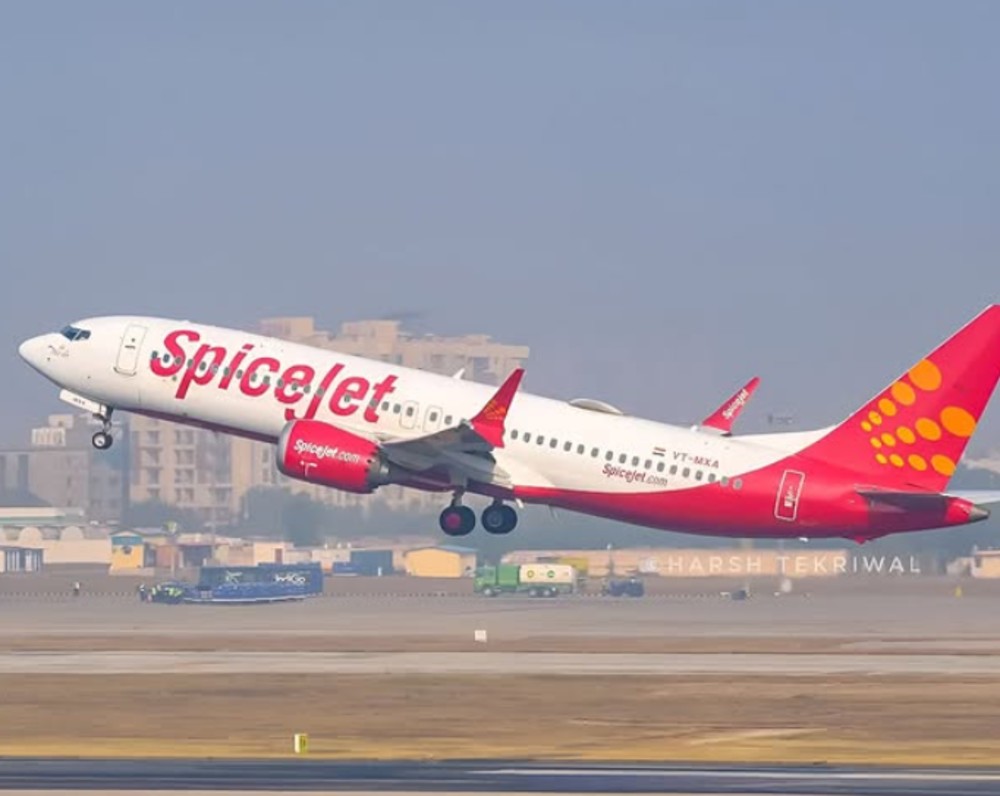
SpiceJet Increases Capacity with Two Boeing 737 Additions, Expanding Domestic and International Rout...
Article Summary:
SpiceJet has expanded its fleet by adding two Boeing 737 aircraft, enhancing its capacity and operational reach. These additions are set to bolster both domestic and international routes, including key connections such as Delhi-Bangkok, Ahmedabad-Dubai, and Ahmedabad-Kolkata. The move is strategic as the airline aims to meet the growing demand for travel, reflecting a broader trend in the industry towards increasing capacity to support future tourism growth.
Key Points:
Actionable Takeaways:
Contextual Insights:
The addition of Boeing 737 aircraft by SpiceJet is reflective of the current travel industry’s emphasis on capacity expansion to meet post-pandemic recovery demands. The airline’s strategic focus on key international routes underscores the importance of connectivity in driving tourism growth. This move is also indicative of the industry’s shift towards leveraging modern aircraft to improve operational efficiency and passenger experience, aligning with broader trends in travel tech and airline modernization. As the travel sector continues to evolve, such strategic investments in fleet capacity will likely play a crucial role in shaping future market dynamics and competitive positioning.
Read the Complete Article.
Boutique Travel VC raises investment cap from $1.5M to $10M to lead rounds and support portfolio companies through growth Travel...
Read moreDetails




