







No products in the cart.
- Latest
- Trending

Comprehensive Summarization:
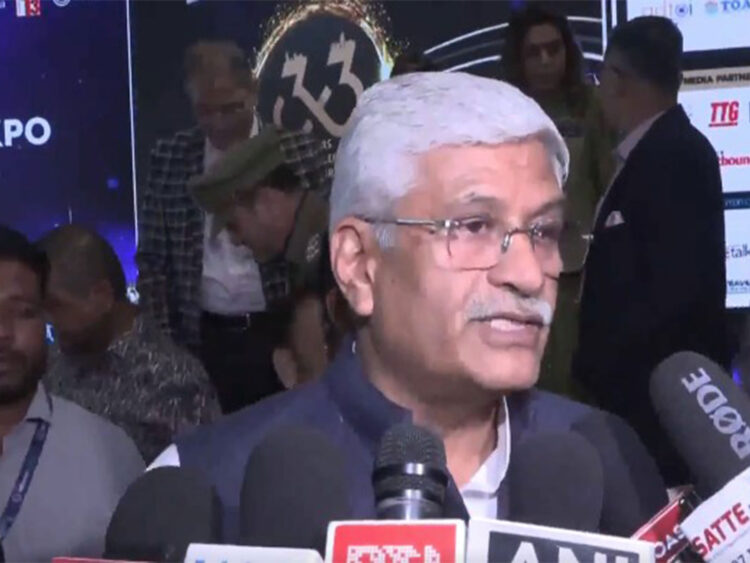
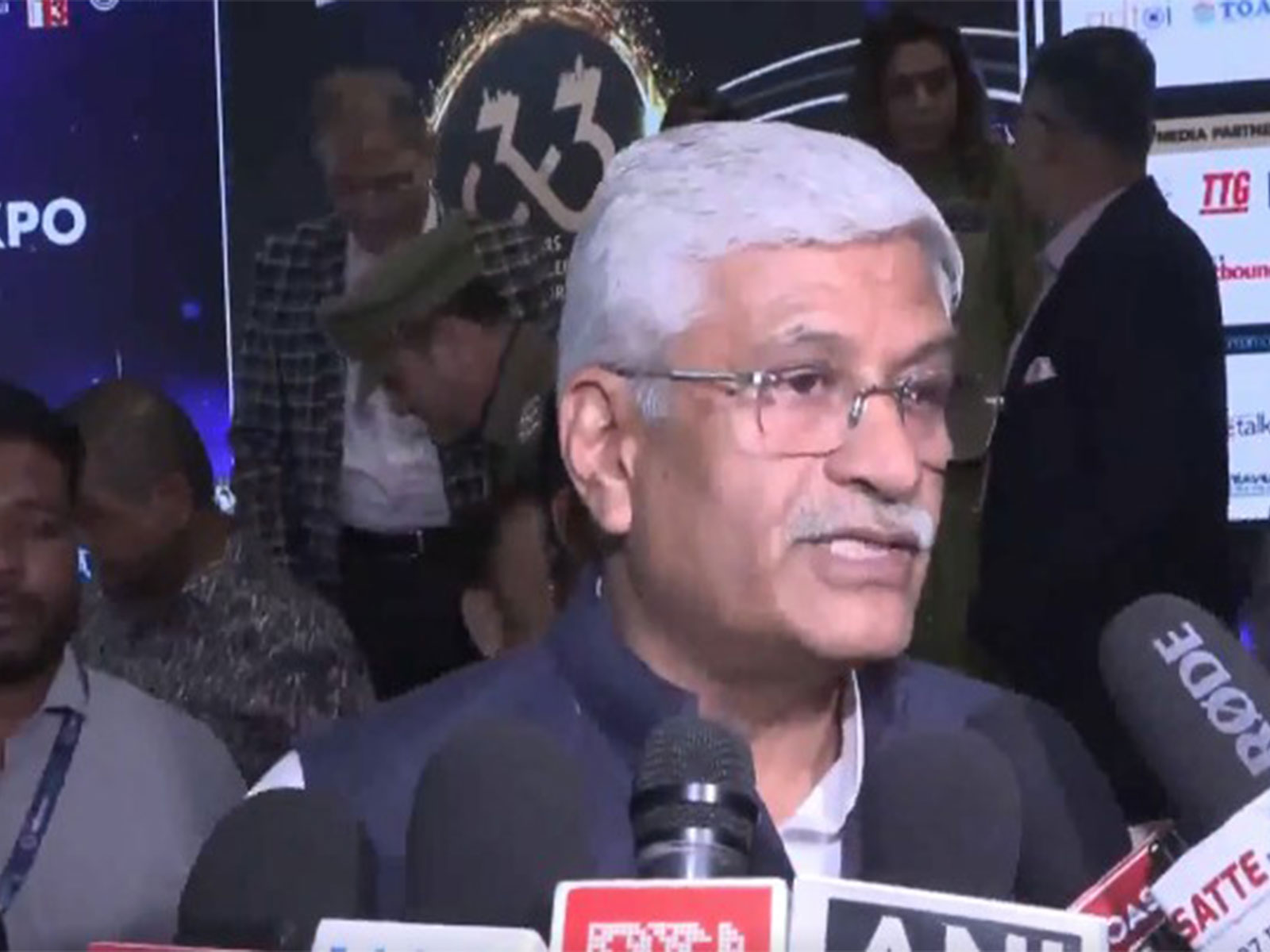
The article reports that Union Minister of Tourism and Culture, Gajendra Singh Shekhawat, emphasized during the 33rd annual edition of the South Asia Travel and Tourism Exchange (SATTE) in New Delhi that tourism is central to national development. He stated that the government aims to increase the sector’s contribution to GDP from the current 6% to 10%. The event, regarded as a premier travel and tourism exposition in India, was held at Yashobhoomi in Dwarka, New Delhi. Shekhawat’s remarks were made alongside Ladakh, indicating a focus on regional tourism development.
Key Points:
Actionable Takeaways:
Increased Investment in Tourism Infrastructure: The government’s target to boost the tourism sector’s GDP contribution to 10% suggests a significant push towards infrastructure development. This could lead to increased investments in tourism-related infrastructure, such as airports, hotels, and transportation networks, benefiting startups and businesses in the travel sector.
Focus on Regional Tourism Development: The mention of Ladakh during Shekhawat’s remarks indicates a strategic focus on regional tourism development. This could open new opportunities for travel startups and fintech innovations in the niche markets of regional tourism, encouraging the development of specialized travel packages and fintech solutions tailored to regional tourism needs.
Enhanced Collaboration and Networking Opportunities: Events like SATTE provide a platform for industry stakeholders, including government officials, tourism professionals, and startups, to network and collaborate. This could lead to partnerships and innovations in travel tech, such as improved booking platforms, enhanced customer experiences through mobile apps, and innovative payment solutions in the travel sector.
Contextual Understanding:
The article reflects the current emphasis on tourism as a critical sector for national development, aligning with global trends where travel and tourism are seen as engines of economic growth. The focus on increasing the sector’s GDP contribution underscores the strategic importance of tourism in India’s economic policy. The mention of the South Asia Travel and Tourism Exchange highlights the region’s growing importance in the global travel market, suggesting a trend towards regional collaboration and integration in the travel industry. The inclusion of Ladakh in the context of tourism development indicates a broader shift towards promoting lesser-known destinations, which could drive innovation in travel marketing and destination management.
Handling Different Article Types:
The article is a news brief, providing factual information about a government statement and a major industry event. The summary captures the main theme of tourism’s role in national development, key developments such as the government’s target and the SATTE event, and actionable insights related to investment, regional development, and collaboration opportunities. The structured output format ensures clarity and ease of integration into professional materials, making it suitable for a technical and informed audience in the travel industry.
Read the Complete Article.
Get curated travel AI insights — choose the newsletters that matter to you.
This spot is reserved for brands with a compelling story for the travel trade. They use this space to cut...
Read moreDetailsTravel One Technologies launches the world’s first Traveler DNA Platform, targeting the structural data gap at the core of an...
Read moreDetails