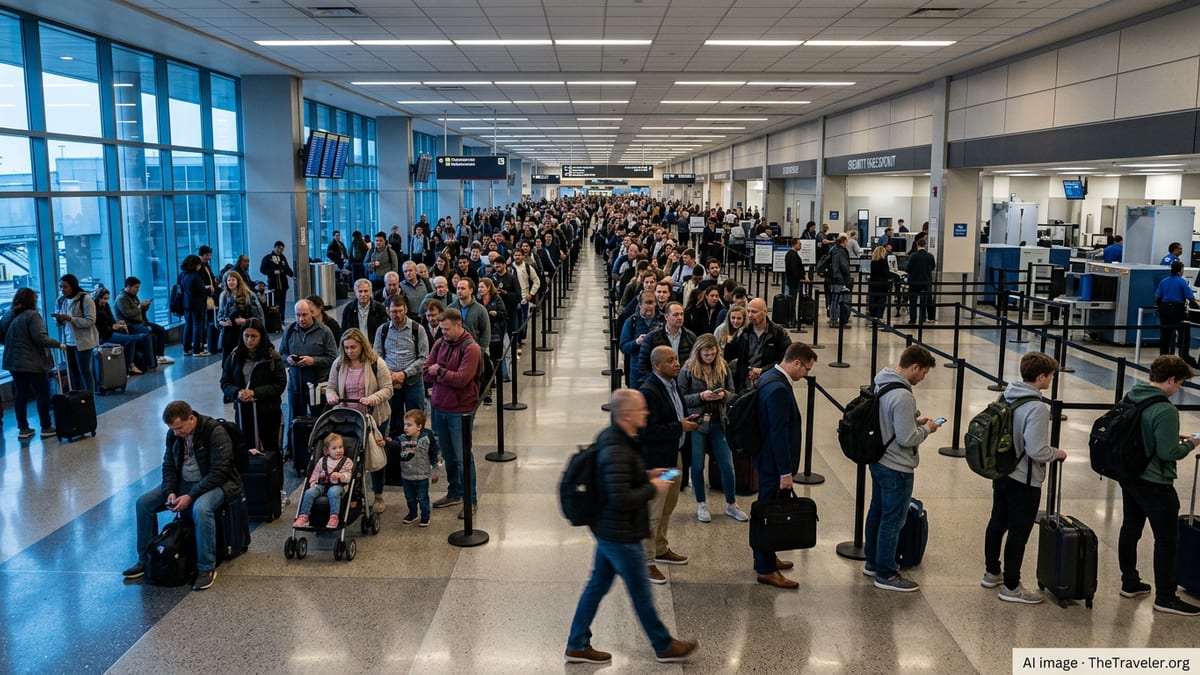
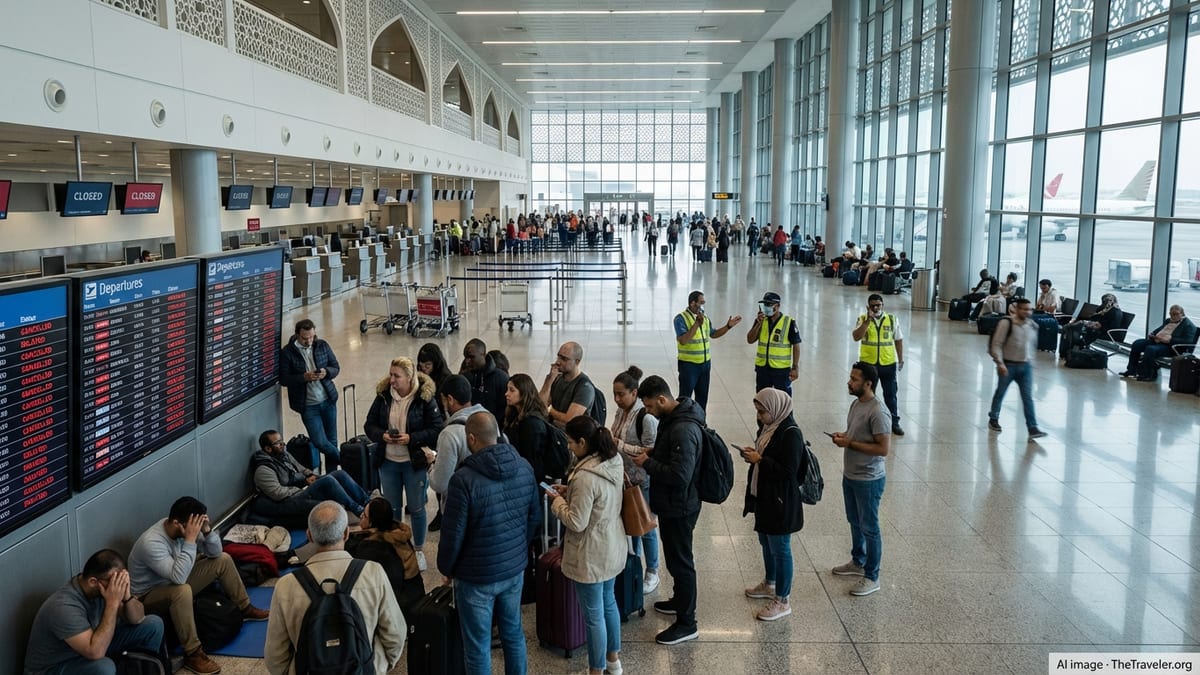
International air travel to Iran has entered a period of uncertainty due to escalating security risks and widespread protests. Major airlines have canceled or suspended operations in response to the growing instability across multiple Iranian cities. This development is disrupting tourism and air connectivity across Europe and Asia, creating significant challenges for the travel industry in these regions.
Key Points:
Security Risks and Protests: Escalating security risks and widespread protests in Iran have prompted major airlines to suspend or cancel travel operations to the country.
Impact on Tourism and Air Connectivity: The suspension of travel to Iran is disrupting tourism and air connectivity across Europe and Asia, affecting both passengers and airlines.
Global Carrier Reassessment: Global carriers are reassessing their operations in light of the instability, indicating a significant shift in travel patterns and airline strategies.
Actionable Takeaways:
Reevaluate Travel Itineraries: Airlines and travel agencies should reevaluate their travel itineraries, particularly those involving routes to or from Iran. This includes considering alternative destinations and adjusting travel plans to mitigate risks associated with the current security situation.
Enhance Security Protocols: Airlines should enhance their security protocols and communication strategies to inform passengers about the current situation in Iran. Transparent communication can help manage passenger expectations and reduce anxiety related to travel disruptions.
Monitor Regional Developments:Travel industry stakeholders should closely monitor regional developments in Iran and the broader Middle East. Staying informed about security risks and political developments can help in making timely adjustments to travel plans and operational strategies.
Contextual Insights:
The suspension of travel to Iran reflects the broader challenges faced by the travel industry in regions experiencing political instability and security threats. This situation underscores the importance of adaptability and resilience in travel planning and operations. As the travel industry continues to evolve, the integration of advanced technologies for real-time risk assessment and dynamic itinerary management will become increasingly crucial. Thought leaders emphasize the need for startups and fintech solutions to support travelers in navigating uncertain environments, offering tools for secure transactions and real-time travel advisories. This article highlights the ongoing need for the travel industry to remain vigilant and proactive in addressing emerging risks, ensuring the safety and satisfaction of travelers worldwide.
Comprehensive Summarization: The article reports a ground handling incident involving a FlySafair Boeing 737-800 at Cape Town International Airport, which...