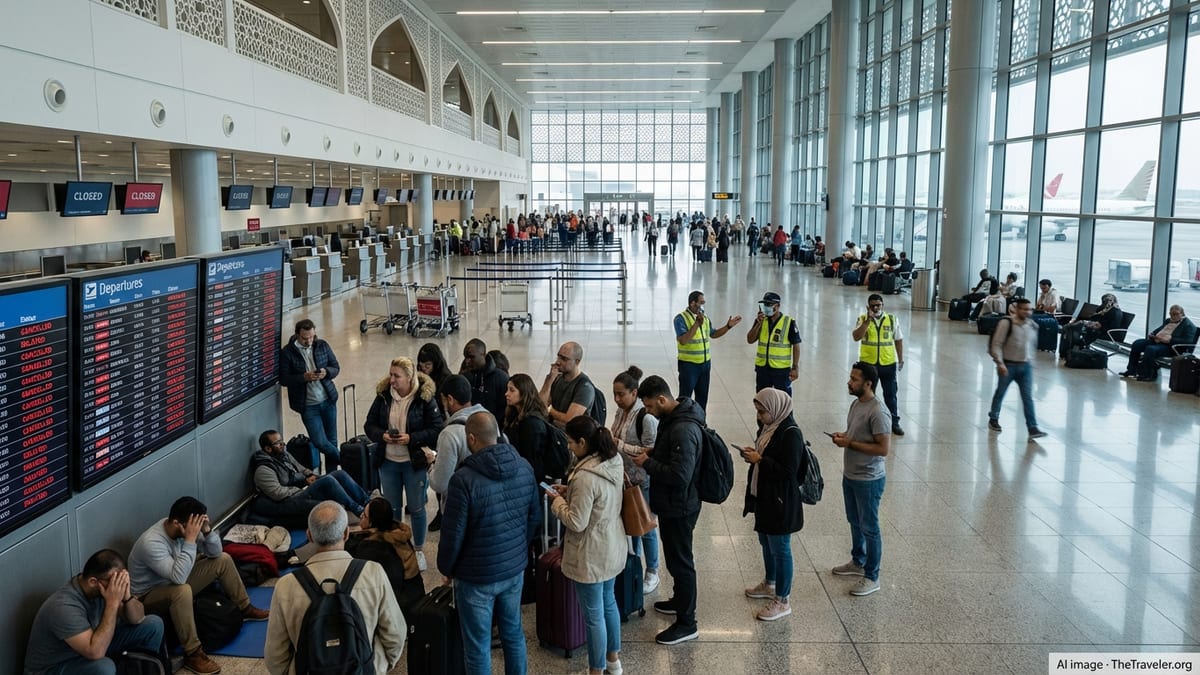
Ardabil Airport in northwestern Iran experienced the lowest temperature in the country over the past night, dropping to minus 27 degrees Celsius, according to the provincial meteorological authority. Sadegh Kouhi, Director General of the Ardabil Meteorological Organization, confirmed that Ardabil Airport was the coldest point in the country during the reported period. The severe cold wave continues to impact large parts of the province, accompanied by unspecified additional details.
Key Points:
Ardabil Airport recorded the lowest temperature in Iran at minus 27 degrees Celsius.
Sadegh Kouhi, Director General of the Ardabil Meteorological Organization, confirmed Ardabil Airport as the coldest point in the country.
The severe cold wave is affecting large parts of the province.
Actionable Takeaways:
Impact on Travel Operations: The extreme cold at Ardabil Airport highlights the vulnerability of travel operations to severe weather conditions. Travel companies and airport authorities should develop contingency plans for extreme cold events to ensure safety and operational continuity. This could include measures such as enhanced heating systems, staff training for cold weather operations, and communication strategies to inform passengers about potential delays or cancellations.
Investment in Cold Weather Infrastructure: The article underscores the need for investment in infrastructure that can withstand extreme cold. Airport operators and airlines may consider investing in advanced heating technologies, insulated structures, and other cold-weather adaptations to mitigate the impact of such conditions. This not only ensures safety but also enhances the passenger experience during adverse weather.
Contextual Insights:
The reported extreme cold at Ardabil Airport is indicative of broader trends in the travel industry facing challenges due to unpredictable weather patterns. Recent years have seen an increase in the frequency and intensity of extreme weather events, which pose significant challenges to the travel sector. This includes disruptions in flight schedules, increased safety risks for passengers and staff, and potential financial losses for airlines and airports.
In response, the travel industry is increasingly focusing on resilience and adaptability. Innovations in travel tech, such as real-time weather monitoring systems and predictive analytics, are becoming essential tools for airlines and airports to anticipate and mitigate the impacts of severe weather. Additionally, there is a growing emphasis on sustainable and resilient infrastructure, reflecting a shift towards technologies that can operate efficiently in extreme conditions.
The insights from thought leaders suggest that the travel industry must continue to innovate and invest in technologies and strategies that enhance operational resilience. This includes leveraging data analytics for predictive maintenance, enhancing passenger communication systems, and developing partnerships with local authorities to ensure comprehensive support during extreme weather events. By doing so, the industry can better navigate the challenges posed by climate variability and maintain high standards of safety and service quality.