

















Travel Capitalist Ventures Expands Check Size to $10 Million to Deepen Emerging Market Conviction
Boutique Travel VC raises investment cap from $1.5M to $10M to lead rounds and support portfolio companies through growth Travel...
Read moreDetails
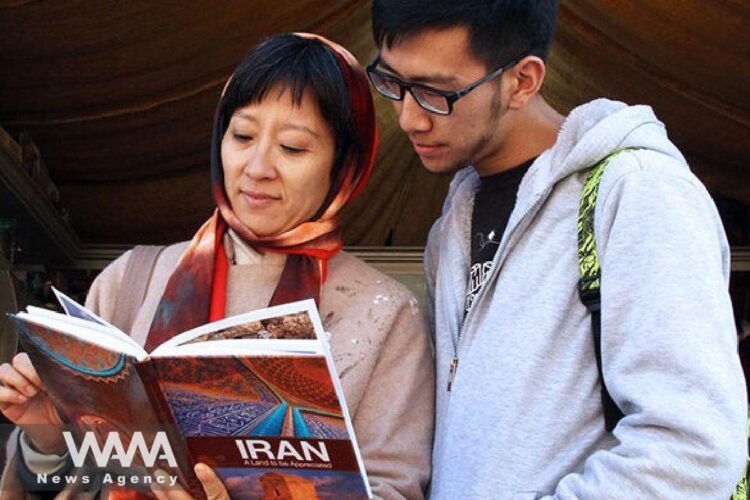
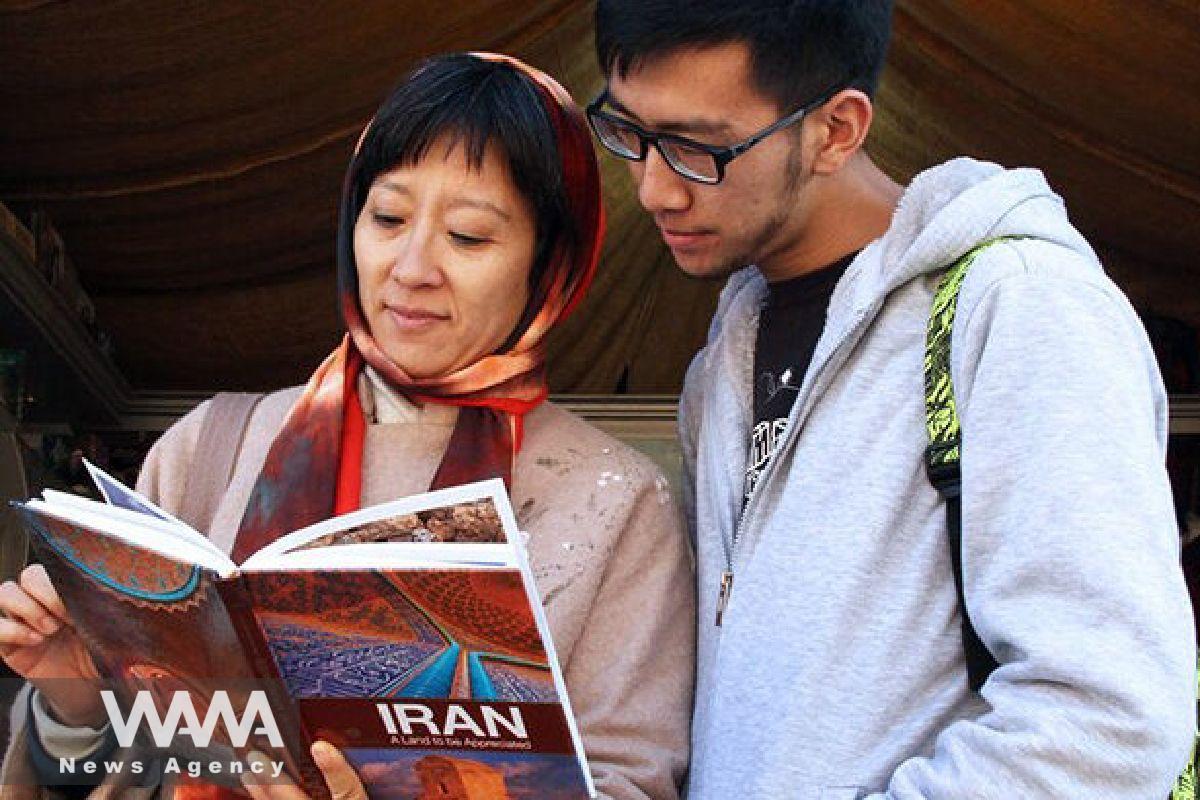
Chinese Tourists: Iran’s New Revenue Engine
Article Summary:
Iran has launched a five-year tourism cooperation program with China, aiming to capitalize on the lucrative and rapidly growing Chinese tourist market. This strategic move was announced during the Asian Cultural Heritage Union General Assembly in Chongqing, China, where Iran’s Minister of Cultural Heritage, Seyed Reza Salehi Amiri, highlighted the initiative. The program is part of Iran’s broader strategy to attract Chinese travelers, a demographic recognized for its high spending power and propensity for tourism.
Key Points:
Actionable Takeaways:
Contextual Insights:
The launch of Iran’s tourism cooperation program with China is a strategic response to the evolving dynamics of global tourism. As European and Asian countries continue to recognize Chinese travelers as a lucrative market, Iran’s initiative aligns with broader industry trends of targeting high-value tourist demographics. The program reflects a broader trend of countries leveraging their cultural and historical assets to attract international tourists. Furthermore, the timing of this announcement during the Asian Cultural Heritage Union General Assembly underscores the importance of cultural heritage in attracting tourists. This context suggests that leveraging cultural and historical attractions will remain a key strategy for countries looking to boost their tourism sectors in the coming years. Insight: The article highlights the growing importance of cultural heritage in tourism, a trend supported by thought leaders who emphasize the role of cultural experiences in attracting international tourists. This insight suggests that countries with rich cultural histories, like Iran, can leverage these assets to attract high-value tourists, a strategy that is likely to gain traction in the travel industry as it continues to recover from the impacts of the COVID-19 pandemic.
Read the Complete Article.
Boutique Travel VC raises investment cap from $1.5M to $10M to lead rounds and support portfolio companies through growth Travel...
Read moreDetails




