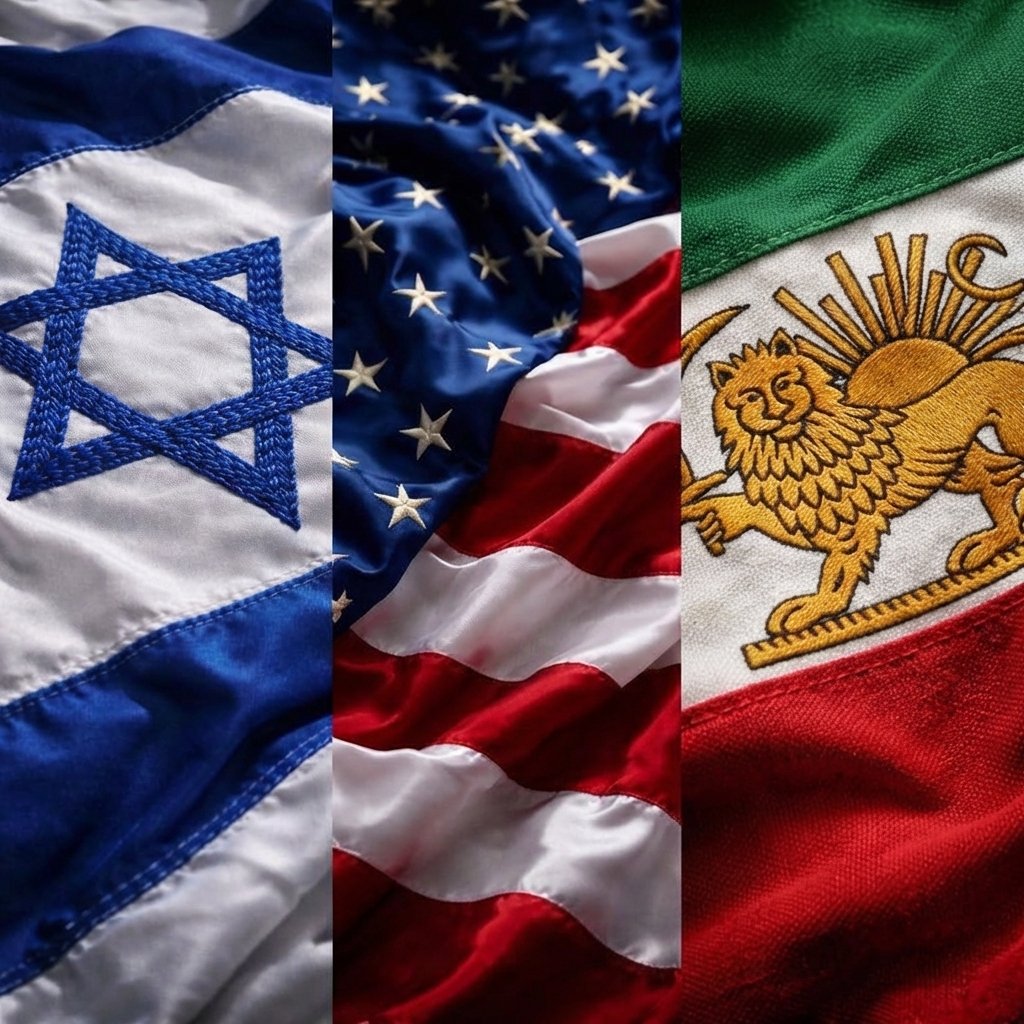
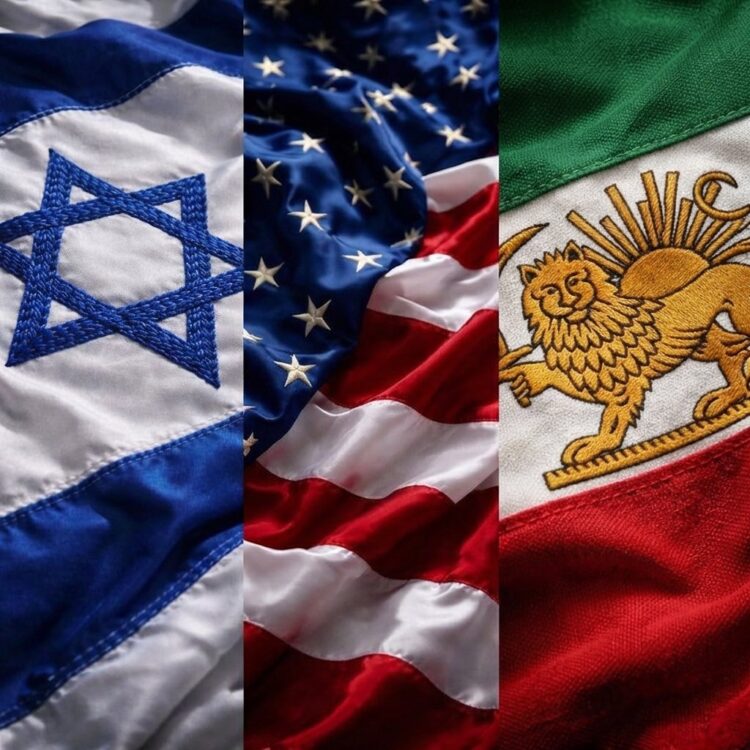
The article titled “How Escalating War Like Tension with Israel-US and Iran Are Shaking Travel and Tourism Markets What’s Happening Now” published on February 28, 2026, discusses the significant impact of the escalating conflict between Israel and Iran on the travel and tourism markets. The author, Tuhin Sarkar, highlights that these tensions are not just diplomatic headlines but are causing immediate disruptions in the travel industry. The article underscores the real-time effects of geopolitical tensions on travel bookings, tourism destinations, and the overall market stability. It emphasizes the need for travel companies to adapt to these volatile conditions, suggesting a shift towards more flexible travel policies, enhanced safety measures, and a greater focus on digital engagement to mitigate the impact of geopolitical instability on tourism.
Key Points:
Geopolitical Tensions Impacting Travel: The escalating conflict between Israel and Iran is directly affecting travel and tourism markets, causing immediate disruptions and uncertainties.
Real-Time Market Disruptions: The article emphasizes that the tensions are causing real-time disruptions in travel bookings, tourism destinations, and market stability.
Need for Industry Adaptation: Travel companies are urged to adapt to the volatile conditions by implementing flexible travel policies, enhancing safety measures, and leveraging digital engagement strategies.
Focus on Safety and Flexibility: There is a highlighted need for the industry to prioritize safety measures and flexible travel options to mitigate the impact of geopolitical instability on tourism.
Actionable Takeaways:
Implement Flexible Travel Policies: Travel companies should develop and implement flexible travel policies that accommodate sudden changes due to geopolitical tensions. This includes offering easy cancellations, flexible booking options, and refunds to mitigate customer dissatisfaction and maintain market trust.
Enhance Safety Measures: Given the heightened security concerns, travel companies must enhance safety measures for their customers. This includes providing clear safety guidelines, partnering with reputable local guides, and ensuring robust health and safety protocols are in place, especially for destinations affected by conflict.
Leverage Digital Engagement: The article suggests a greater focus on digital engagement to keep travelers informed and engaged. Utilizing digital platforms for real-time updates, virtual tours, and interactive content can help maintain customer interest and loyalty despite the uncertainties caused by geopolitical tensions.
Contextual Insights:
The article reflects the current state of the travel industry amidst heightened geopolitical tensions. The escalating conflict between Israel and Iran serves as a stark reminder of how external geopolitical events can have profound internal impacts on the travel sector. The emphasis on real-time market disruptions underscores the volatility and unpredictability that travel companies must now navigate. The call for industry adaptation aligns with broader trends in the travel sector, where flexibility and digital engagement have become crucial for survival and growth. Thought leaders in the travel industry have increasingly highlighted the importance of leveraging technology and data analytics to anticipate and mitigate the effects of such disruptions. This article serves as a timely reminder for travel companies to prioritize adaptability, safety, and digital innovation in their strategies to navigate the challenges posed by geopolitical instability.
Comprehensive Summarization: Vietjet is currently offering special summer promotions to entice Indian travelers, including up to 100% off Eco tickets...