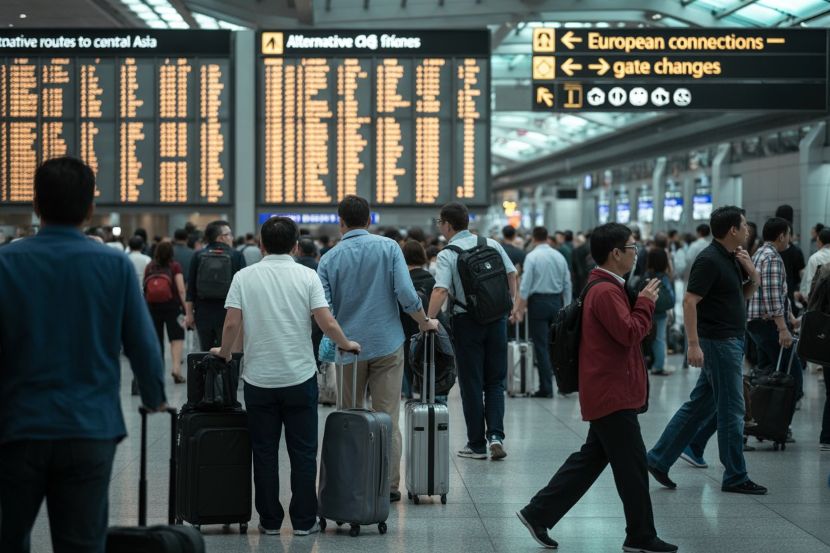
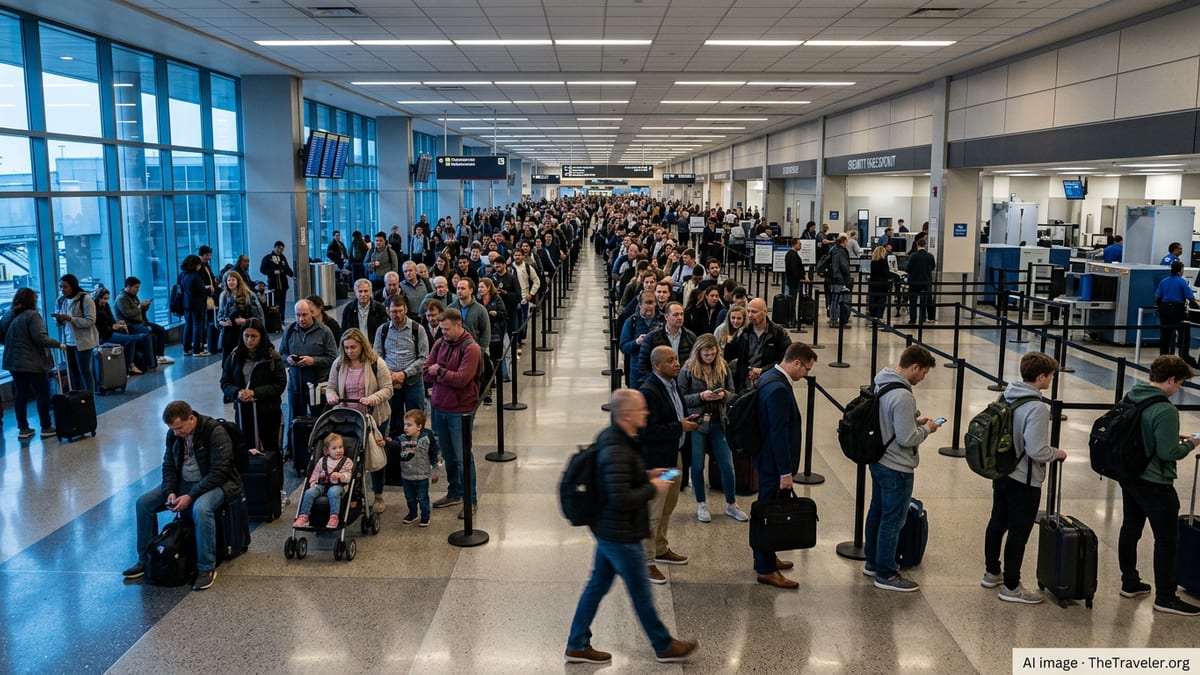
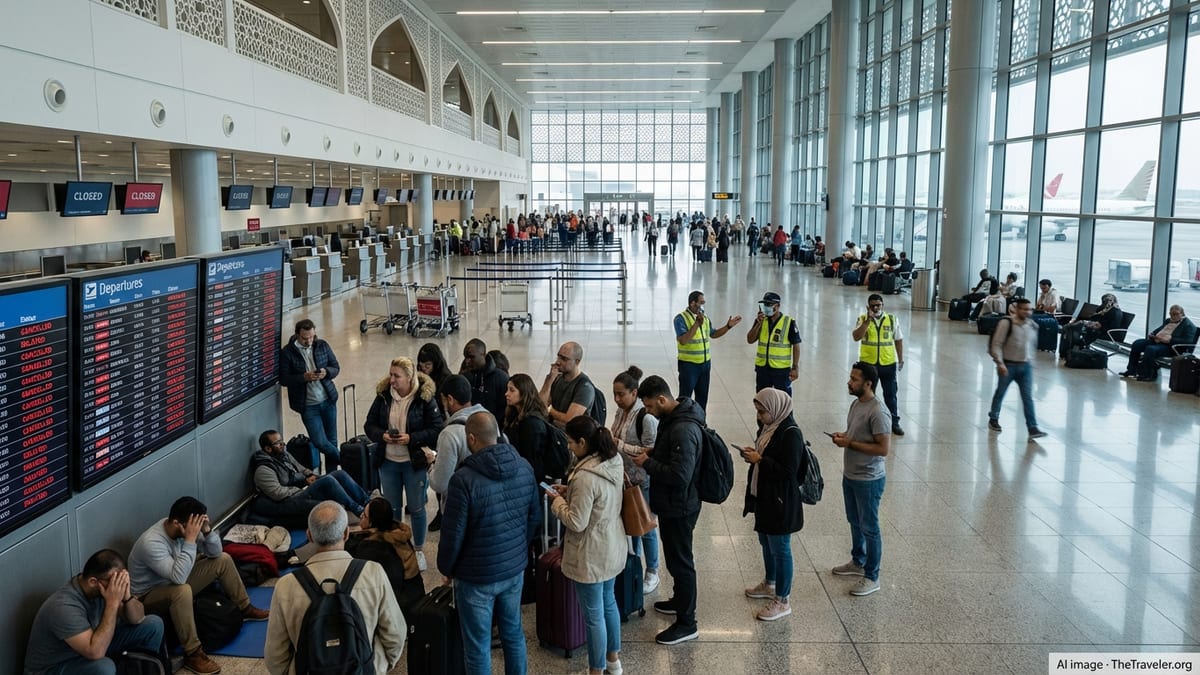
The European Union Aviation Safety Agency (EASA) has issued a formal advisory urging airlines to avoid Iranian airspace due to heightened geopolitical tensions and rising security risks. This decision comes in response to the volatile situation in the region, which has immediate implications for tourism travel. The advisory marks a significant shift in travel planning, as airlines adjust their routes to prioritize safety over convenience. This move is likely to have a ripple effect on tourism travel, potentially altering destination choices and impacting the travel industry’s operational strategies.
Key Points:
The EASA has issued an advisory urging airlines to reroute flights over Iran due to increased security risks.
The advisory is a response to heightened geopolitical tensions and instability in the region.
The decision directly impacts tourism travel, prompting airlines to adjust their routes and potentially altering travel plans for passengers.
The advisory reflects a proactive approach by EASA to ensure safety amidst geopolitical uncertainties.
Actionable Takeaways:
Route Adjustments for Airlines: Airlines must reevaluate and adjust their flight routes to avoid Iranian airspace. This change could lead to longer travel times and increased operational costs, necessitating a review of pricing strategies and potential partnerships with alternative airlines to mitigate financial impacts.
Impact on Tourism Travel: The rerouting of flights may deter some travelers from visiting Iran, potentially affecting tourism revenue. Travel agencies and tour operators should consider diversifying destination offerings to compensate for potential losses in Iran-based tourism. This could involve promoting neighboring countries or alternative destinations within the region.
Enhanced Safety Protocols: The advisory underscores the importance of enhanced safety protocols in aviation. Airlines should invest in advanced security systems and training for staff to ensure passenger safety. This could also drive innovation in travel tech, particularly in areas such as real-time route optimization and safety monitoring systems.
Contextual Understanding:
The advisory by EASA is a direct response to the escalating geopolitical tensions in the Middle East, particularly concerning Iran. This decision is part of a broader trend in the travel industry to prioritize safety over convenience, especially in regions with volatile political climates. The move aligns with recent trends in travel tech, where companies are increasingly focusing on developing solutions that enhance safety and security for travelers. Furthermore, the advisory highlights the interconnectedness of global events and their immediate impact on the travel sector, emphasizing the need for agile and adaptive strategies in travel planning and operations.
Handling Different Article Types:
The article in question is a news blurb, providing factual information about a recent advisory issued by the EASA. The content is concise and factual, focusing on the key developments and their implications for the travel industry. The structured output format ensures that the information is presented in a clear and organized manner, making it easy for readers to digest and act upon. The emphasis on actionable insights and contextual understanding ensures that the content remains relevant and valuable to a professional audience, particularly those in the travel industry.
Comprehensive Summarization: The article reports a ground handling incident involving a FlySafair Boeing 737-800 at Cape Town International Airport, which...