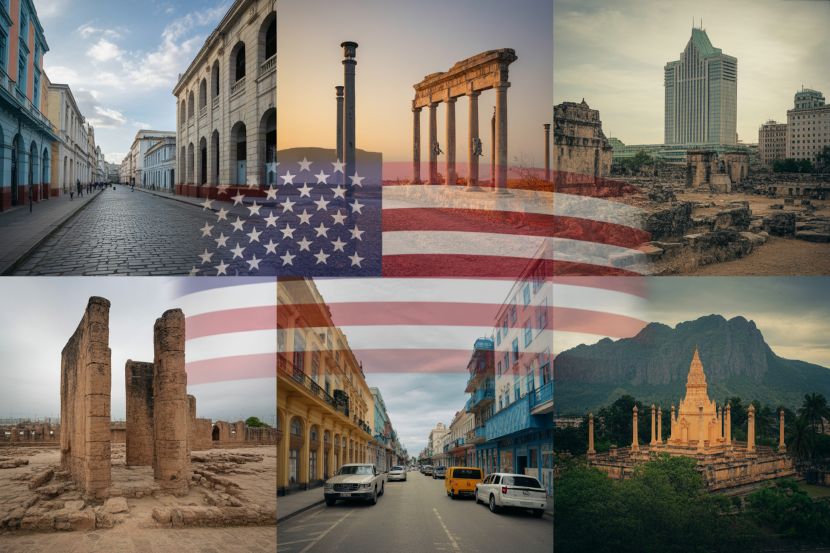
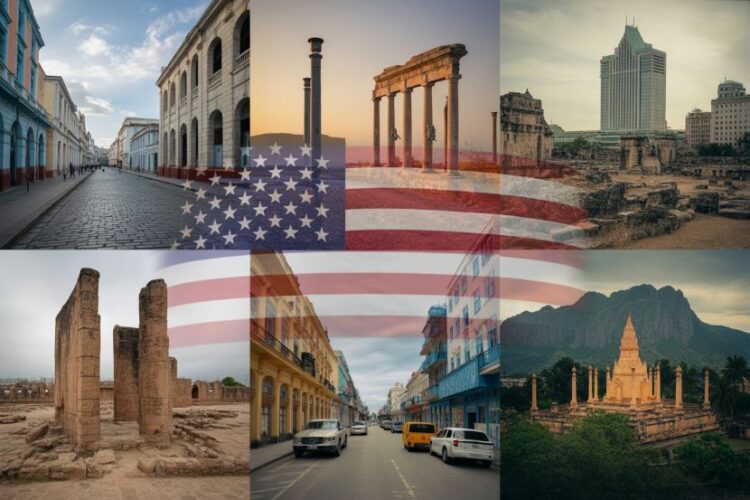
Haiti has become the latest country to face a U.S. travel ban, joining a list that already includes Angola, Laos, Iran, and Cuba. This development is part of a broader trend affecting global travel dynamics, with significant implications for international tourism. The article highlights the ripple effects of such restrictions on these countries’ tourism sectors, economies, and the broader travel industry. As of December 20, 2025, the situation underscores the sensitivity of travel policies and their far-reaching consequences on global tourism.
Key Points:
U.S. Travel Ban Expansion: Haiti joins a growing list of countries facing U.S. travel restrictions, including Angola, Laos, Iran, and Cuba.
Impact on Tourism: The travel ban is expected to have a substantial impact on tourism in these countries, potentially leading to a decline in visitor numbers and economic repercussions.
Global Travel Dynamics: The article emphasizes the shifting landscape of global travel, where political decisions can quickly alter the dynamics of international tourism.
Economic Consequences: The tourism sector in these countries is likely to suffer, affecting local economies and livelihoods dependent on tourism revenue.
Actionable Takeaways:
Diversification of Tourism Markets: Countries facing travel bans should explore diversifying their tourism markets to mitigate the impact of restrictions. By attracting tourists from different regions, they can reduce dependency on a single market and enhance resilience.
Enhanced Digital Engagement: Travel startups and fintech companies can leverage digital platforms to enhance engagement with potential tourists. Offering virtual tours, online booking services, and digital payment solutions can help maintain tourism momentum despite travel restrictions.
Policy Advocacy and Collaboration: Governments and industry stakeholders should collaborate on policy advocacy to address the broader implications of travel bans. By working together, they can explore alternative solutions, such as easing restrictions for specific sectors or promoting cultural exchange programs.
Contextual Insights:
The U.S. travel ban against Haiti reflects the ongoing sensitivity of travel policies and their potential to disrupt global tourism. This development is part of a larger trend where political decisions can quickly alter the dynamics of international travel. The article highlights the interconnectedness of travel policies, economic stability, and tourism sectors, underscoring the need for proactive measures to mitigate adverse effects. As the travel industry continues to evolve, thought leaders emphasize the importance of adaptability, innovation, and strategic collaboration to navigate such challenges effectively. The situation also highlights the critical role of digital technologies in sustaining tourism, even in the face of restrictive travel policies.
Comprehensive Summarization: The article highlights that Vietnam’s Mui Ne has been named among Booking.com’s top 10 global trending destinations for...