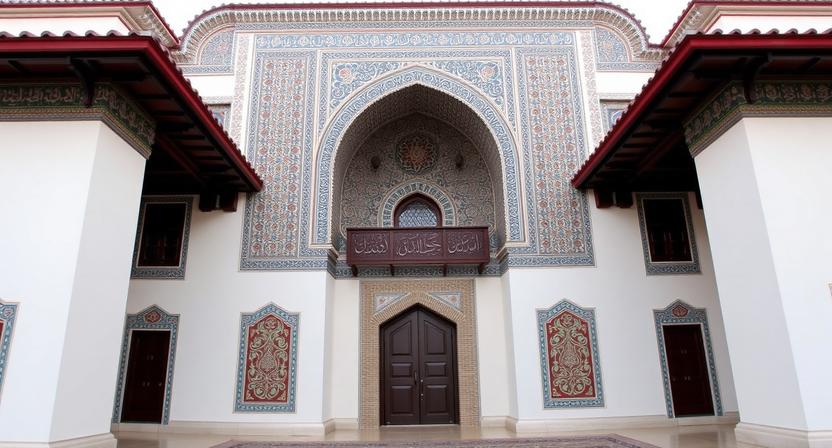
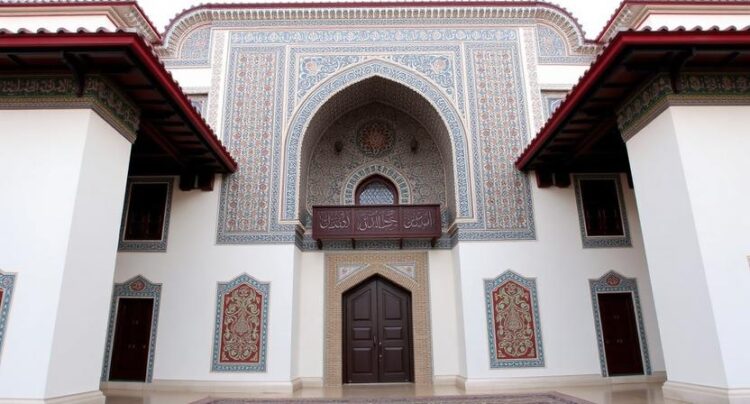
The article reports that the Heravi House in Golestan Province, Iran, has been officially registered as a national monument by the Iranian Ministry of Cultural Heritage, Tourism, and Handicrafts. This recognition highlights the Qajar-era architecture of the Heravi House, which is expected to boost cultural tourism growth in the region. The Tourism Police Department of Abu Dhabi Police has also launched a comprehensive awareness campaign related to this development. The article, published on February 22, 2026, provides insight into the cultural significance of the Heravi House and its potential impact on tourism in Golestan Province.
Key Points:
The Heravi House in Golestan Province, Iran, has been officially registered as a national monument by the Iranian Ministry of Cultural Heritage, Tourism, and Handicrafts.
The Qajar-era architecture of the Heravi House is a significant factor in its recognition as a national monument.
This recognition is expected to boost cultural tourism growth in Golestan Province.
The Tourism Police Department of Abu Dhabi Police has launched a comprehensive awareness campaign related to this development.
Actionable Takeaways:
Cultural Tourism Growth Potential: The registration of the Heravi House as a national monument presents a significant opportunity for cultural tourism growth in Golestan Province. Travel agencies and tourism boards in the region should consider developing targeted marketing strategies to capitalize on this recognition, potentially increasing visitor numbers and boosting local economies.
Importance of Architectural Preservation: The focus on Qajar-era architecture underscores the importance of preserving historical sites. This development can serve as a case study for other regions looking to protect and promote their cultural heritage. Travel tech companies could develop platforms that facilitate the discovery and booking of such heritage sites, enhancing the travel experience for tourists.
Contextual Insights:
The registration of the Heravi House as a national monument reflects broader trends in the travel industry towards cultural tourism. As more destinations seek to leverage their historical and cultural assets to attract visitors, there is an increasing emphasis on preserving and showcasing such sites. This aligns with the growing trend of sustainable and responsible tourism, where the preservation of cultural heritage is a key component. Travel startups and fintech companies can play a crucial role in this trend by developing innovative solutions that support the promotion and management of cultural tourism sites. For instance, they could create apps that offer virtual tours of historical sites, provide information on cultural events, or facilitate bookings for heritage site visits. This not only enhances the travel experience for tourists but also supports local economies by driving tourism-related activities.