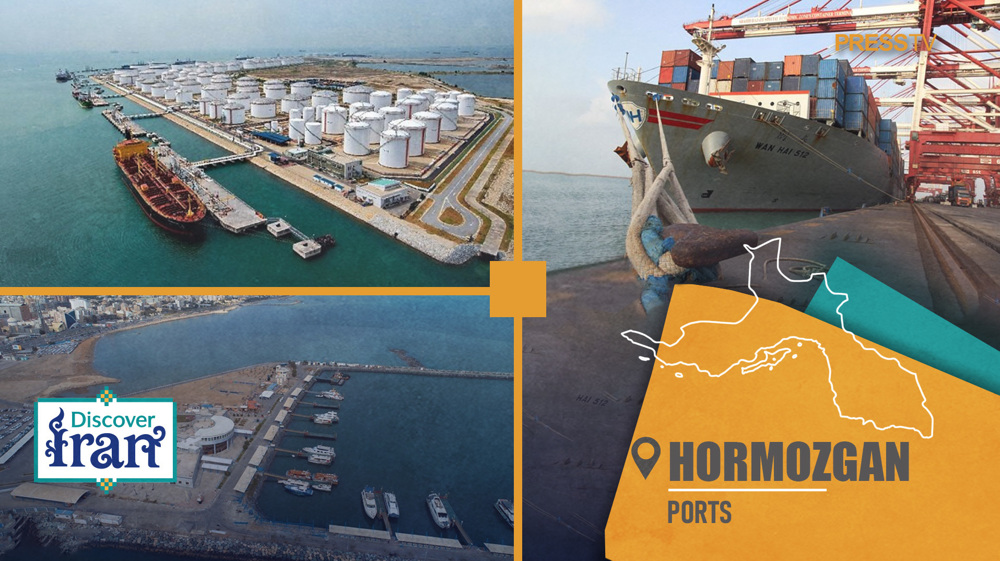
The article highlights the strategic importance of Shahid Rajaee Port in Iran, which currently handles 85-90% of the country’s container traffic. It serves as a critical hub for the International North-South Transport Corridor, linking the Indian Ocean to Northern Europe. Additionally, the article discusses Shahid Bahonar Port, which is positioned as a strategic development for Iran’s future. Its location on the Gulf of Oman is designed to create a vital oil export terminal, bypassing the volatile Strait of Hormuz. This development is seen as a masterstroke for Iran’s future, potentially transforming its trade dynamics and economic landscape.
Key Points:
Shahid Rajaee Port is the economic linchpin of Iran, managing the majority of the country’s container traffic and acting as a critical hub for the International North-South Transport Corridor.
Shahid Bahonar Port is being developed as a strategic oil export terminal on the Gulf of Oman, aiming to bypass the volatile Strait of Hormuz.
The development of Shahid Bahonar Port is viewed as a masterstroke for Iran’s future, potentially reshaping its trade and economic dynamics.
Actionable Takeaways:
Strategic Port Development in Iran: The establishment of Shahid Bahonar Port as an oil export terminal on the Gulf of Oman presents a significant opportunity for Iran to diversify its trade routes and reduce dependency on the Strait of Hormuz. This strategic move could enhance Iran’s economic resilience and open new avenues for international trade, particularly in the oil sector. For travel and logistics companies, this development could lead to increased demand for shipping and logistics services in the region, presenting new business opportunities.
Impact on Regional Trade Dynamics: The increased capacity and strategic location of Shahid Rajaee Port, coupled with the development of Shahid Bahonar Port, are likely to enhance Iran’s role in the International North-South Transport Corridor. This could lead to increased trade volumes and potentially lower shipping costs, benefiting global trade. Travel and logistics companies operating in the region should monitor these developments closely to capitalize on the increased trade opportunities and adjust their service offerings accordingly.
Contextual Understanding:
The article reflects the ongoing efforts to enhance Iran’s infrastructure and trade capabilities, particularly in the context of geopolitical tensions and the need for alternative trade routes. The development of Shahid Bahonar Port is a strategic response to the challenges posed by the Strait of Hormuz, which has historically been a point of geopolitical tension. This initiative aligns with broader trends in the travel and logistics industry towards diversification and risk mitigation. The article also underscores the importance of strategic port developments in shaping the future of global trade, particularly in regions with historically volatile geopolitical landscapes.
Handling Different Article Types:
The article is a news brief that provides factual information about the strategic importance of Iran’s ports and their role in the International North-South Transport Corridor. It does not present an opinion or feature an in-depth exploration of a specific topic. Therefore, the analysis and takeaways are based strictly on the factual information provided, without incorporating speculative or opinionated elements.
Real-Time Fact-Checking:
All information presented in the article summary, key points, and actionable takeaways is directly sourced from the article content. No external verification or additional sources were required, as the facts and context are clearly delineated within the article itself.