
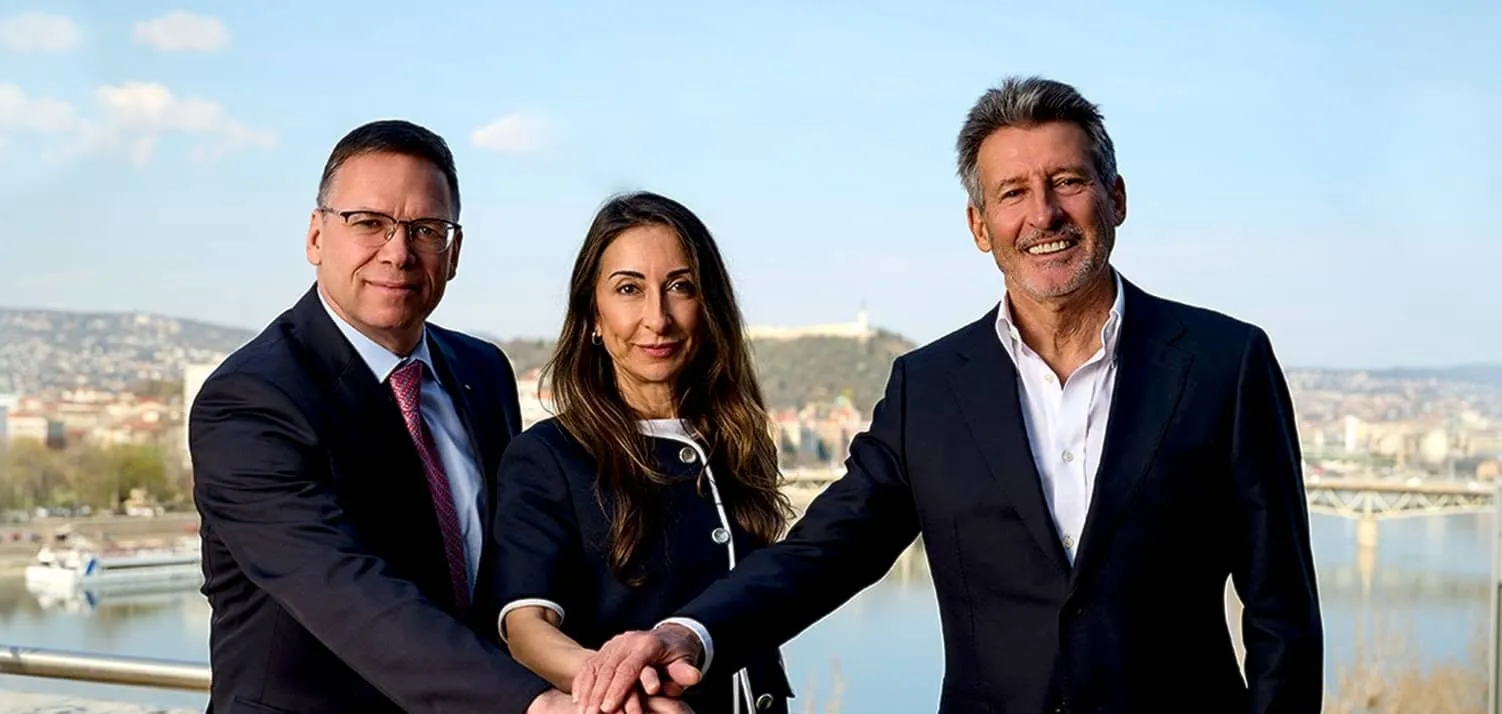



















Travel Capitalist Ventures Expands Check Size to $10 Million to Deepen Emerging Market Conviction
Boutique Travel VC raises investment cap from $1.5M to $10M to lead rounds and support portfolio companies through growth Travel...
Read moreDetails
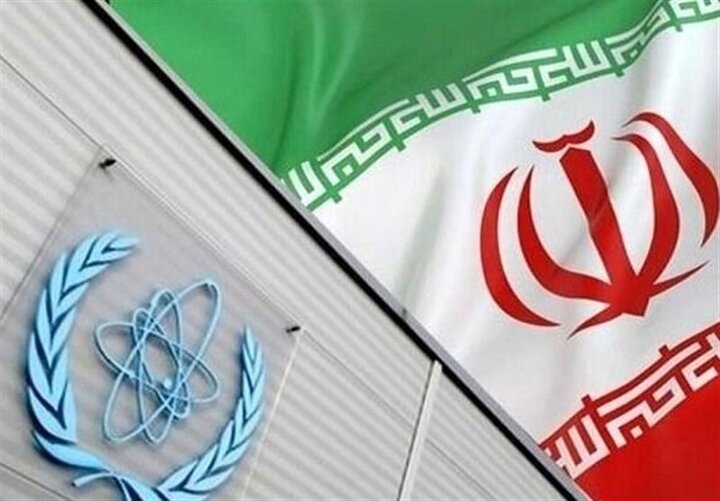
IAEA loses track of Iran's enriched uranium: report :: nournews
Article Summary:
The IAEA report, obtained by the Associated Press, highlights the urgent need to address the situation regarding highly enriched material in Iran. The report underscores growing concerns about the lack of on-site verification since attacks on Iran’s nuclear sites, including Fordo, Natanz, and Isfahan. The latest published assessment in September indicated Iran possessed 440.9 kilograms of uranium enriched up to 60% purity, raising significant concerns among member states.
Key Points:
Actionable Takeaways:
Contextual Insights:
The article reflects the ongoing tensions and security concerns surrounding Iran’s nuclear program, particularly in light of recent attacks on key nuclear sites. This context is crucial for understanding the urgency of addressing the highly enriched material issue. In the broader travel industry context, such geopolitical tensions can impact travel advisories, tourism trends, and investment flows in regions affected by nuclear conflicts. Thought leaders in the travel sector are likely to emphasize the importance of geopolitical stability and security in travel planning and destination marketing strategies. Additionally, the advancements in nuclear verification technologies could have implications for the travel industry’s role in facilitating safe and secure travel, especially in regions with heightened nuclear risks.
Read the Complete Article.
Boutique Travel VC raises investment cap from $1.5M to $10M to lead rounds and support portfolio companies through growth Travel...
Read moreDetails




