


















Travel Capitalist Ventures Expands Check Size to $10 Million to Deepen Emerging Market Conviction
Boutique Travel VC raises investment cap from $1.5M to $10M to lead rounds and support portfolio companies through growth Travel...
Read moreDetails
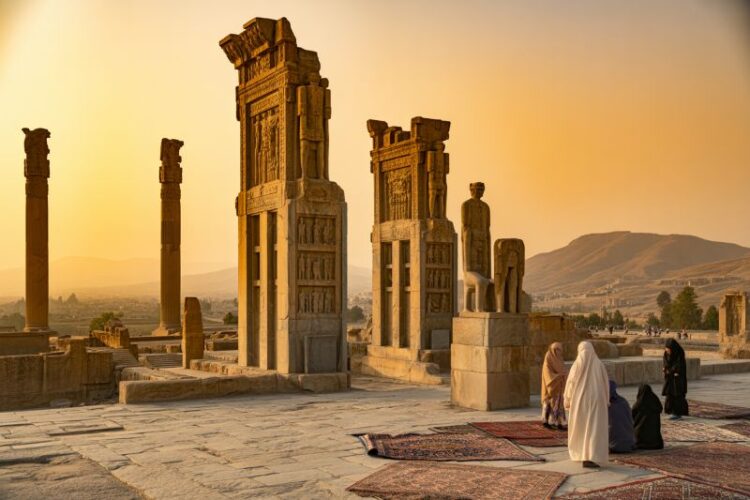
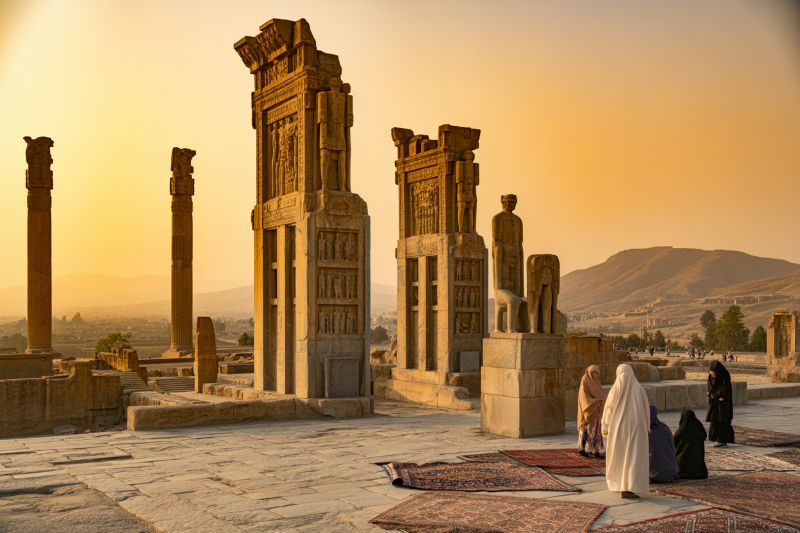
Iran Shifts Focus to Expanding Tourism with New Regional Partnerships, Get the Details Here
Article Summary:
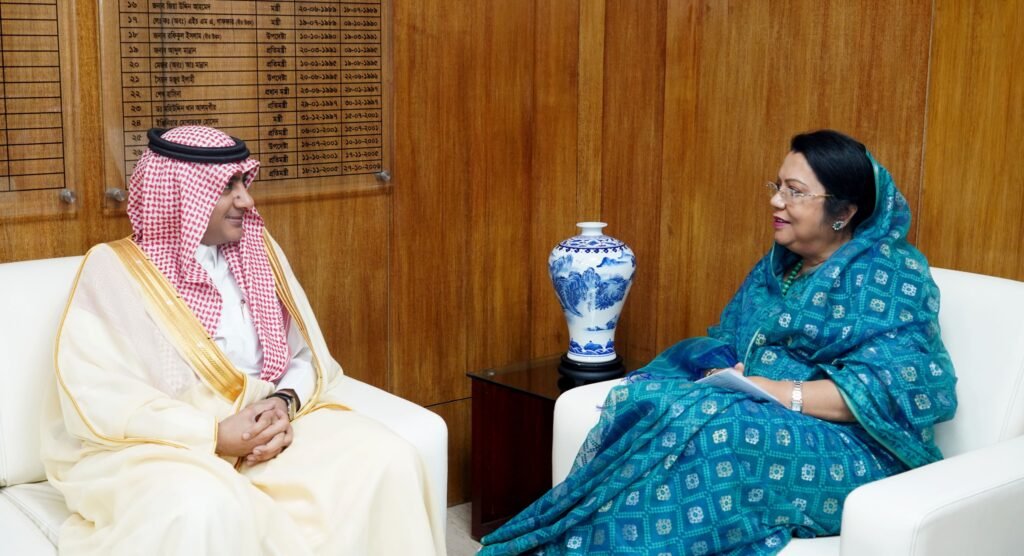
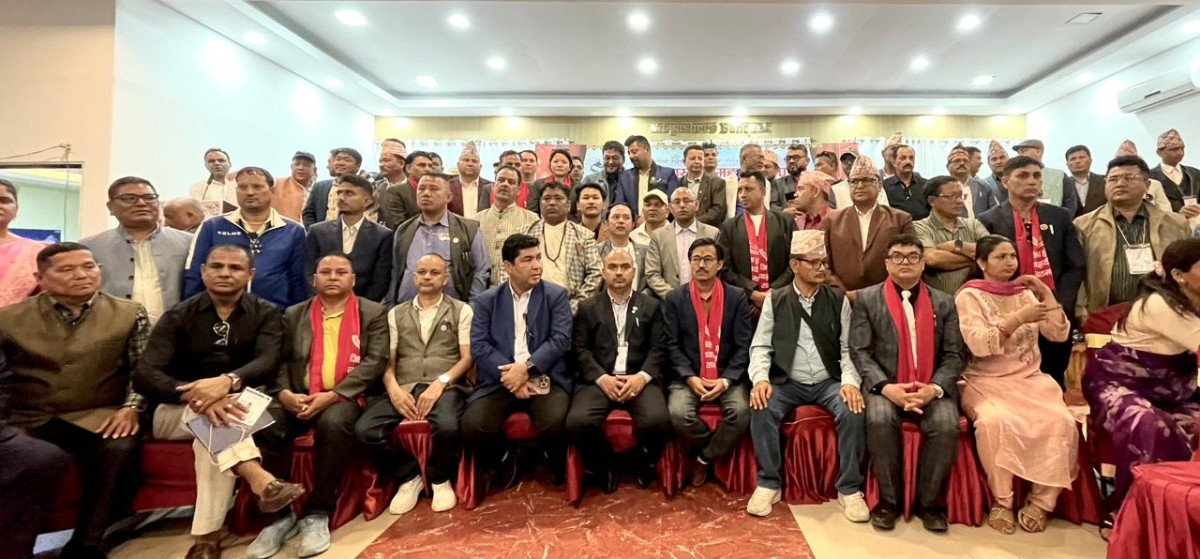
The article highlights Iran’s strategic move to expand international cooperation in tourism through selective diplomacy. Minister of Cultural Heritage, Tourism, and Handicrafts, Seyed Reza Salehi-Amiri, played a pivotal role during the 26th General Assembly of the United Nations World Tourism Organization (UNWTO) in Riyadh. He emphasized cultural tourism, diplomacy, and exchanges, showcasing Iran’s efforts to enhance its global tourism appeal. The article also touches on the latest travel trends and insights from thought leaders, underscoring the importance of cultural exchanges and diplomatic engagements in the travel sector.
Key Points:
Actionable Takeaways:
Enhance Cultural Tourism Initiatives: Iran should leverage its rich cultural heritage to develop more comprehensive cultural tourism packages. This could involve collaborating with international tourism bodies to create unique experiences that highlight Iran’s historical and cultural landmarks, thereby attracting a broader international audience.
Strengthen Diplomatic Relations in Tourism: The article emphasizes the role of diplomacy in tourism. Countries can benefit from engaging in diplomatic dialogues with tourism-focused international organizations like the UNWTO. This can lead to joint initiatives, shared best practices, and increased visibility for their tourism sectors on the global stage.
Contextual Insights:
The article reflects a broader trend in the travel industry towards leveraging diplomacy and cultural exchanges to enhance international tourism. With the rise of cultural tourism as a significant travel trend, countries are increasingly recognizing the value of showcasing their unique cultural assets to attract global visitors. Iran’s proactive approach, as demonstrated by Minister Salehi-Amiri’s engagement at the UNWTO, aligns with this trend. It highlights the potential for countries to use their cultural and historical narratives as powerful tools for tourism promotion. Furthermore, the article underscores the importance of strategic partnerships and diplomatic engagements in the travel sector, suggesting that such collaborations can drive innovation and growth in tourism-related industries. As the travel industry continues to evolve, embracing these strategic approaches will be crucial for stakeholders aiming to remain competitive and relevant in a rapidly changing global landscape.
Read the Complete Article.
Boutique Travel VC raises investment cap from $1.5M to $10M to lead rounds and support portfolio companies through growth Travel...
Read moreDetails




