








No products in the cart.
- Latest
- Trending


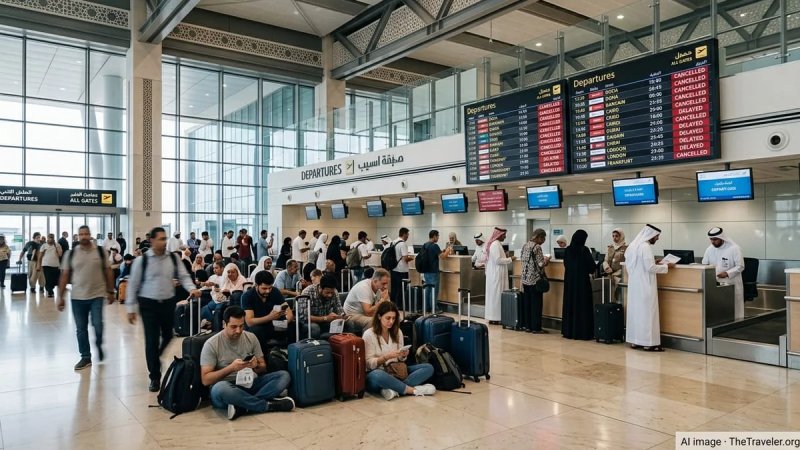
War with Iran creates a new industry: 'Fuel tourism'
Comprehensive Summarization:
The article discusses the significant impact of the conflict between the United States and Israel, coupled with Iran’s blockade of the Strait of Hormuz, on global oil and gas supply. This disruption has led to a sharp rise in energy prices, which are expected to affect household bills and contribute to broader inflation. The immediate effect of this energy crisis is being felt most prominently at the gas pump. Additionally, the article mentions that Slovakia has been particularly hard hit by these developments, though the specifics of this impact are not detailed in the provided content.
Key Points:
Actionable Takeaways:
Energy Price Volatility: The sharp rise in energy prices due to the conflict and blockade is likely to increase household bills globally. This volatility could prompt consumers to seek alternative energy sources or more cost-effective travel options, potentially impacting the travel industry’s pricing strategies and consumer behavior.
Impact on Slovakia: Slovakia’s significant impact suggests that the conflict and blockade have broader economic repercussions beyond just energy supply. Businesses and consumers in Slovakia may need to adapt to higher energy costs, which could influence travel patterns and preferences in the region.
Contextual Insights:
The article reflects the current state of geopolitical tensions and their direct impact on global energy markets, a critical factor in the travel industry. Rising energy costs can lead to increased operational expenses for airlines and transportation services, potentially affecting ticket prices and travel demand. Furthermore, the situation highlights the interconnectedness of global events and their ripple effects on various sectors, including travel tech and fintech, which may need to innovate to mitigate the financial impacts on consumers and businesses alike. Thought leaders might suggest that travel companies explore sustainable and cost-efficient travel solutions to adapt to these changing economic conditions.
Read the Complete Article.
Get curated travel AI insights — choose the newsletters that matter to you.
This spot is reserved for brands with a compelling story for the travel trade. They use this space to cut...
Read moreDetailsALTOUR Expands into Thailand, Strengthening Corporate Travel Network Across Southeast Asia BANGKOK, THAILAND (25 March, 2026) – ALTOUR, a leading...
Read moreDetails


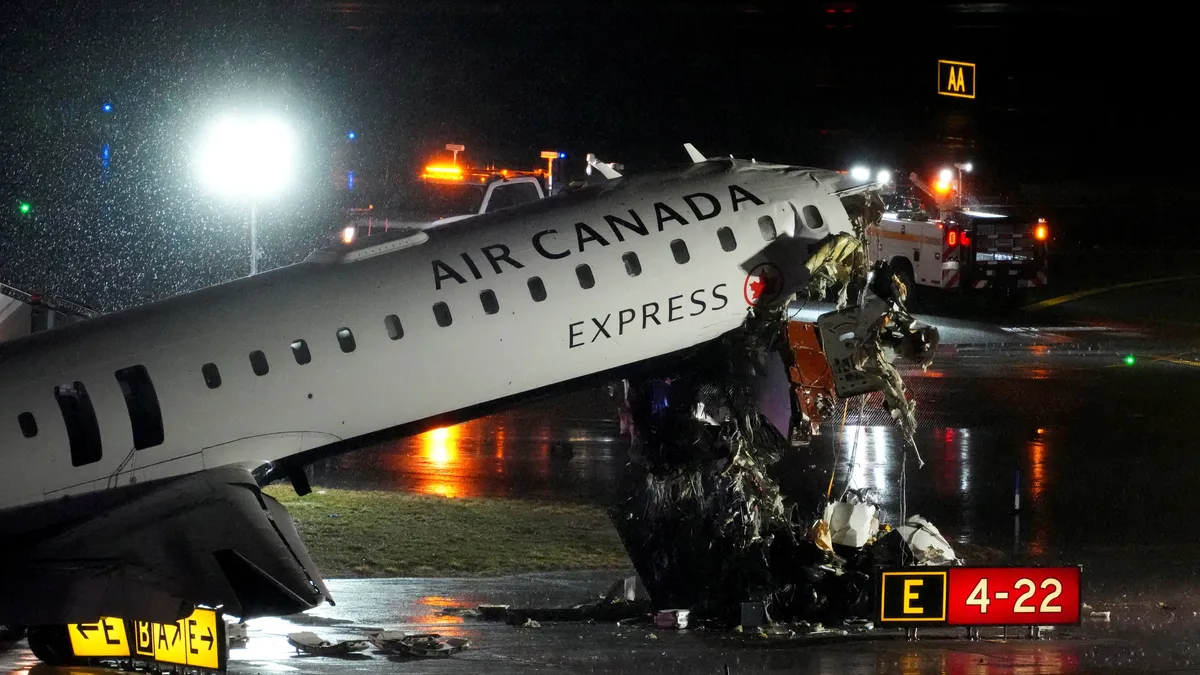
Comprehensive Summarization: An Air Canada passenger plane collided with a fire truck at LaGuardia Airport in New York, resulting in...
Read moreDetails