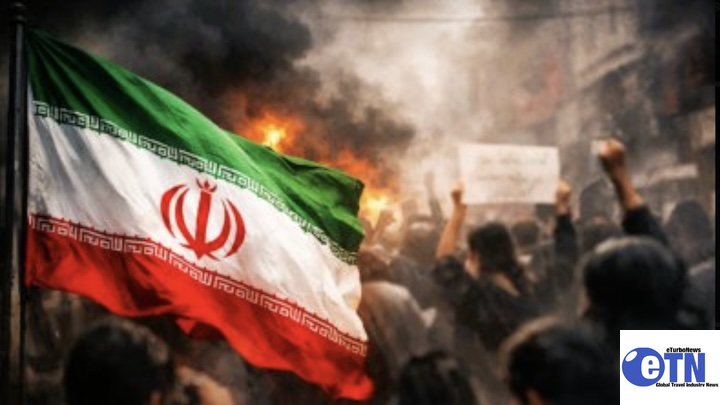
The article discusses a significant escalation in protests across Iran, characterized by a blend of emotions such as shouting, burning, mourning, and demanding to be heard. This wave of unrest is not merely a response to issues like prices, fuel, or sanctions but signifies a deeper collision between a population feeling disenfranchised and a state intent on maintaining power. The unrest is reported from various sources, including the streets, industry leaders, and ordinary citizens, indicating a widespread discontent. The article also touches upon the broader travel industry trends and insights, highlighting the importance of understanding such socio-political contexts in shaping travel and tourism dynamics.
Key Points:
Iran is experiencing widespread protests that are more than just economic or political issues; they represent a deep-seated discontent and a collision between the populace and the state.
The protests are reported from multiple sources, including the streets, industry leaders, and ordinary citizens, indicating a broad-based movement.
The unrest is seen as a collision between a population feeling it has nothing left to lose and a state determined to hold onto power.
The article emphasizes the need to understand such socio-political contexts in the travel industry, as they can significantly impact travel and tourism dynamics.
Actionable Takeaways:
Monitor Political Developments: Given the deep-seated discontent and the potential for further unrest, travel companies should closely monitor political developments in Iran. This includes tracking any changes in travel advisories, visa policies, and potential disruptions to travel routes or destinations.
Engage with Local Partners: Collaborate with local partners who have a deep understanding of the socio-political landscape. This can provide valuable insights into how to navigate potential risks and opportunities in the travel market, ensuring business continuity and safety for travelers.
Adapt Marketing Strategies: Develop marketing strategies that resonate with the current socio-political climate. This could involve highlighting safe travel options, emphasizing the importance of cultural sensitivity, and promoting travel experiences that are resilient to political volatility.
Contextual Insights:
The article’s context is deeply rooted in the socio-political climate of Iran, where a significant portion of the population is expressing deep dissatisfaction with the status quo. This unrest is not isolated but is part of a broader trend where populations worldwide are questioning governance and seeking change. In the travel industry, this context is crucial as it can influence travel patterns, consumer behavior, and market dynamics. For instance, there may be a shift towards destinations perceived as safer or more stable, or there could be increased demand for travel insurance that covers political unrest. Additionally, travel startups and fintech innovations may need to adapt quickly to ensure they can support travelers in volatile regions, offering services like secure payment solutions or real-time travel advisories. Understanding these dynamics allows travel companies to stay ahead of the curve, offering services that are not only safe but also aligned with the evolving needs and concerns of travelers.
Comprehensive Summarization: The article reports on significant travel disruptions at Keflavik International Airport in Iceland, where 27 flights were delayed...