Article Summary:
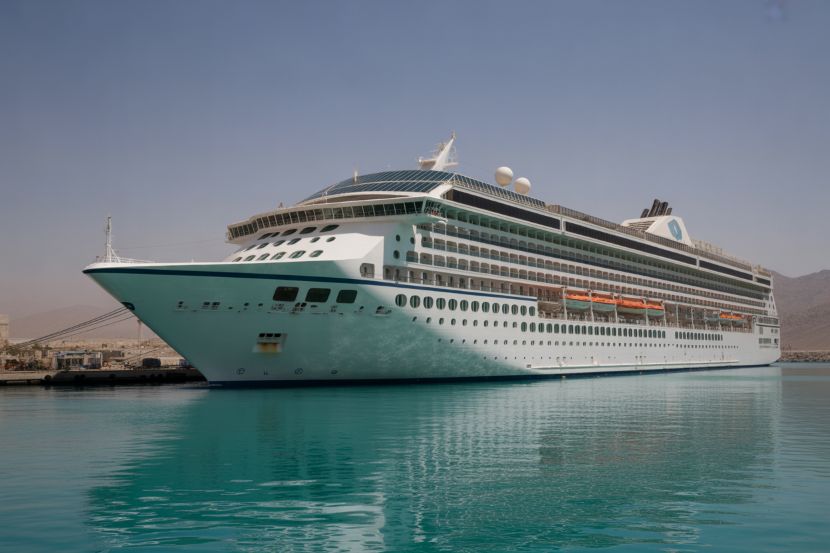
Iran and Oman have strengthened their maritime tourism ties through a significant agreement aimed at boosting the tourism sector in both countries. This collaboration focuses on enhancing cross-border maritime travel, which is expected to contribute to the economic prosperity of Iran and Oman. The agreement symbolizes a strategic move by Iran to elevate its position in the global tourism market, leveraging its growing involvement in marine-based tourism.
Key Points:
- Maritime Tourism Collaboration: Iran and Oman have entered into a significant agreement to enhance maritime tourism, focusing on cross-border travel and economic growth.
- Economic Impact: The collaboration aims to contribute to the economic prosperity of both nations by boosting the tourism sector.
- Strategic Positioning: The agreement is expected to strengthen Iran’s position as a key player in the global tourism market, particularly in marine-based tourism.
Actionable Takeaways:
-
Enhanced Tourism Infrastructure: The agreement could lead to the development of enhanced maritime tourism infrastructure in both Iran and Oman, including improved ports, cruise facilities, and tourism packages. This development is likely to attract more international tourists, thereby boosting the tourism economy of both countries.
-
Increased Cross-Border Travel: By facilitating cross-border maritime travel, the agreement may encourage more tourists to choose maritime routes for their journeys between Iran and Oman. This could lead to increased bookings for cruise lines and maritime tours, benefiting the travel industry in both countries.
-
Opportunities for Travel Startups: The strengthened maritime tourism ties present opportunities for travel startups to innovate in the sector. Startups could develop new cruise packages, maritime travel apps, or fintech solutions tailored for maritime tourism, capitalizing on the growing demand for unique travel experiences.
Contextual Insights:
The agreement between Iran and Oman reflects a broader trend in the travel industry towards diversifying tourism offerings beyond traditional land-based destinations. As countries seek to capitalize on the growing interest in maritime travel, we are likely to see more such collaborations aimed at enhancing cross-border travel experiences. This shift aligns with the increasing demand for unique and immersive travel experiences, particularly among millennials and Gen Z travelers who are more inclined towards experiential tourism.
Moreover, the focus on maritime tourism highlights the role of technology in shaping the future of travel. Innovations in cruise technology, digital booking platforms, and fintech solutions are expected to play a crucial role in making maritime tourism more accessible and appealing to a wider audience. Travel startups that leverage these technological advancements could gain a competitive edge in the evolving tourism landscape.
In conclusion, the strengthened maritime tourism ties between Iran and Oman present a promising development for the travel industry. By focusing on economic growth, infrastructure development, and technological innovation, both countries are positioning themselves to capitalize on the expanding maritime tourism market. For industry stakeholders, this agreement underscores the importance of strategic partnerships and technological adoption in driving sustainable growth in the travel sector.
Read the Complete Article.