





















Travel Capitalist Ventures Expands Check Size to $10 Million to Deepen Emerging Market Conviction
Boutique Travel VC raises investment cap from $1.5M to $10M to lead rounds and support portfolio companies through growth Travel...
Read moreDetails
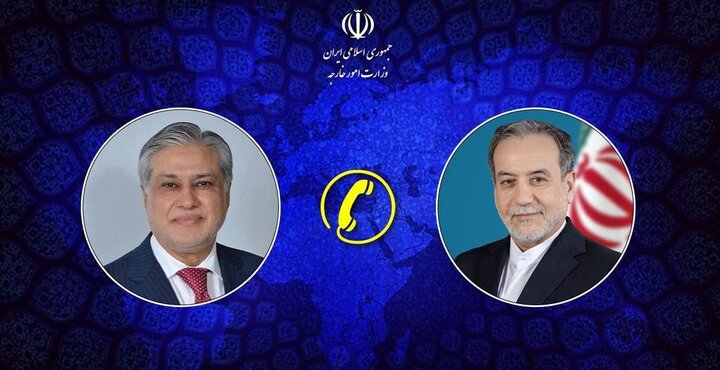
Iran, Pakistan FMs discuss regional developments :: nournews
Article Summary:
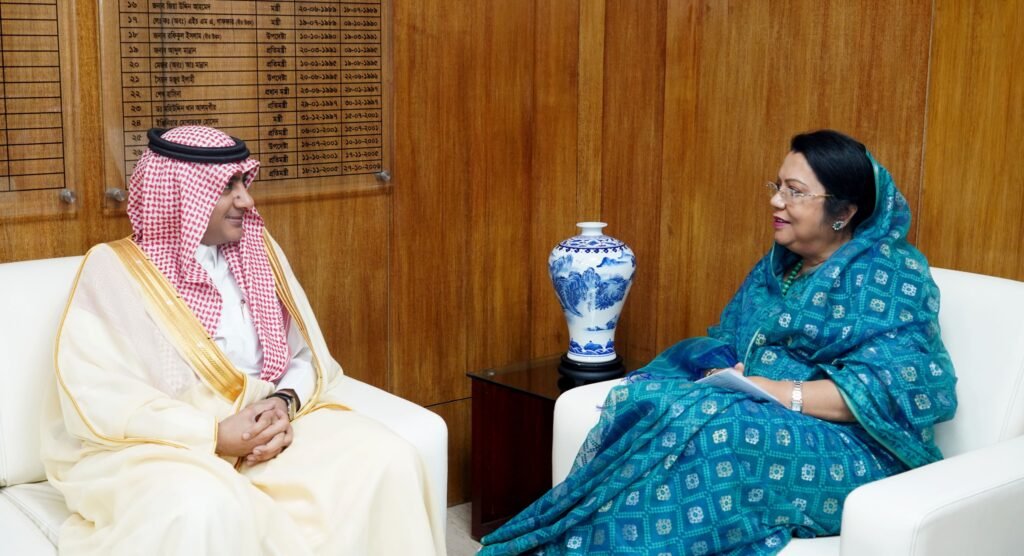
Iranian Foreign Minister Seyed Abbas Araghchi and Pakistan’s Deputy Prime Minister and Foreign Minister Mohammad Ishaq Dar engaged in a phone conversation to discuss the current state of relations between their two neighboring countries. Araghchi emphasized the importance of the longstanding friendly relations between Iran and Pakistan, reaffirming Iran’s commitment to expanding cooperation across various fields. He also expressed concern over the situation between Afghanistan and Pakistan.
Key Points:
Actionable Takeaways:
Contextual Insights:
The conversation between Iran and Pakistan reflects the ongoing importance of regional diplomacy in the travel industry. As geopolitical tensions can significantly impact travel and tourism, the emphasis on expanding cooperation between Iran and Pakistan suggests a proactive approach to mitigating risks and fostering stability. This aligns with current industry trends where geopolitical stability is a key factor influencing travel destinations and routes. Furthermore, the concern over Afghanistan-Pakistan relations highlights the interconnectedness of regional stability with travel trends, suggesting that any developments in this area could have significant implications for travel demand and safety considerations. For travel startups and fintech innovations, this context emphasizes the need for solutions that can navigate complex geopolitical landscapes, ensuring safe and seamless travel experiences for consumers.
Read the Complete Article.
Boutique Travel VC raises investment cap from $1.5M to $10M to lead rounds and support portfolio companies through growth Travel...
Read moreDetails




